
Have you ever wondered where the high-end electronics, precision parts, and quality consumer goods in your local store come from? Chances are, many of them trace back to Jiangsu, a coastal province in eastern China that powers a huge part of China’s Foreign Trade Industry Chain.
This province is not just a manufacturing hub. It is China’s largest manufacturing base, accounting for 1/8 of the country’s total manufacturing scale. It combines high-end industrial production with specialized consumer goods clusters, creating a one-stop sourcing spot for global buyers.
In this guide, we will break down Jiangsu’s key Foreign Trade Industry Belts. We will look at what makes each region unique, what products they specialize in, and why they are so important for global supply chains. Whether you are a small business owner sourcing goods or a supply chain manager, this guide will help you understand how Jiangsu works.
Chapter 1: Overview of Jiangsu’s Foreign Trade & Industrial Cluster Advantages
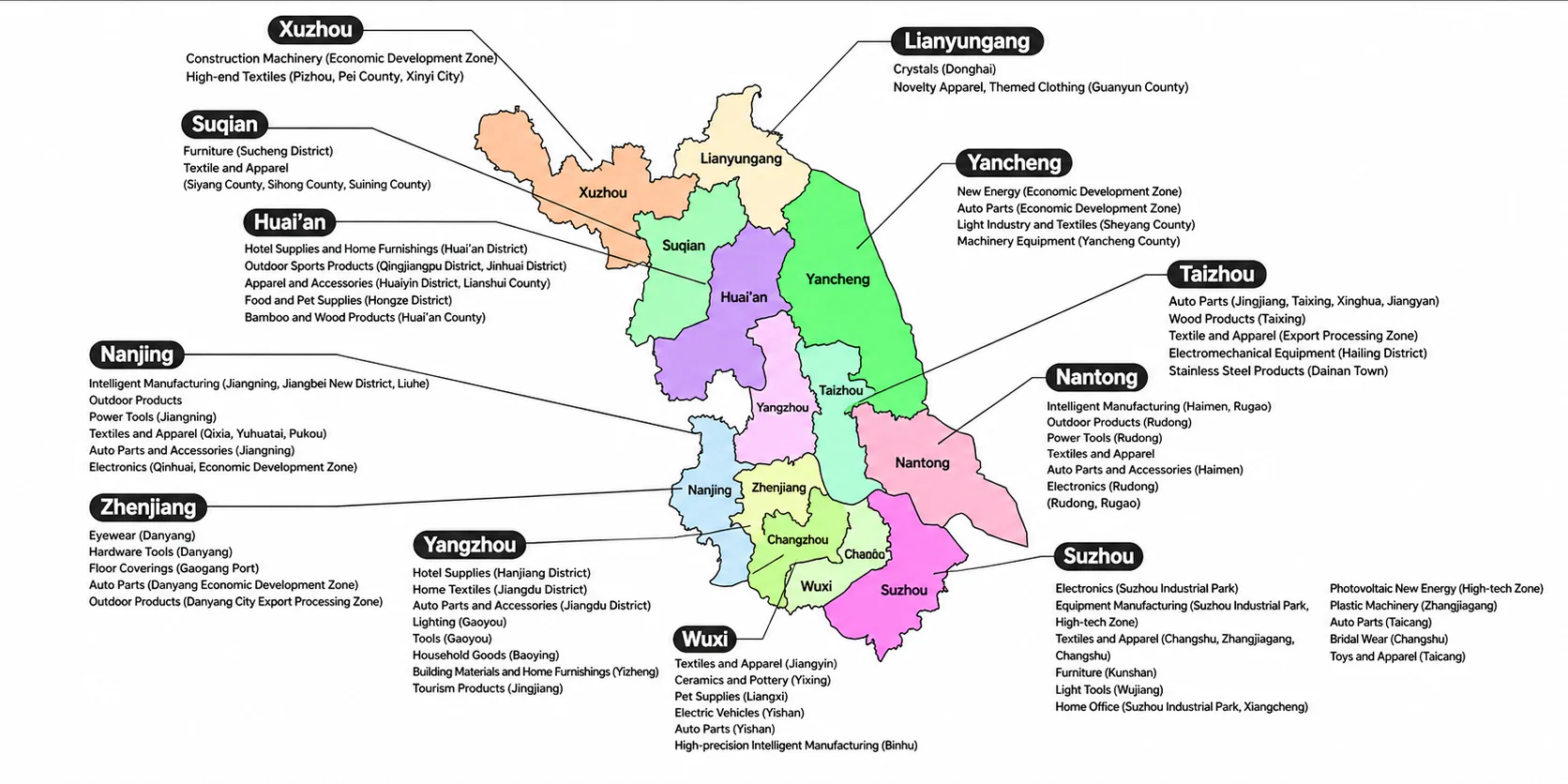
Jiangsu has long been the leader of China’s high-end export economy. What makes it stand out is not just its size, but how it balances advanced industrial manufacturing with specialized consumer goods production.
Unlike other regions that focus only on low-cost production, Jiangsu has built clusters that cover everything from cutting-edge robotics to everyday home goods. Each city, and even each town, focuses on perfecting one specific industry. This creates a complete, efficient supply chain right in one area.
For example, if you want to source optical glasses, you can find every single part you need within Danyang city. The lens factory, the frame maker, the coating supplier, and the assembly plant are all right there. This cuts down on costs and delivery times dramatically.
Jiangsu’s economy is driven by a mix of large tech enterprises and flexible private businesses. This mix allows it to handle both massive industrial orders and small custom consumer orders. It also has a very developed digital trade infrastructure, making cross-border sourcing easier than ever.
To give you a quick overview, here are the core industrial belts we will cover in this guide:
| Industrial Belt | Core Products | Key Global/National Market Share |
| Suzhou-Wuxi | Electronics, equipment manufacturing, electric vehicles | Leading global electronics supply base; 749,000 electric vehicle exports annually |
| Nanjing-Zhenjiang | Smart manufacturing, auto parts, glasses | 50% of global lens production; 38% of national pump & valve industry output |
| Nantong | Home textiles, electric tools, sports goods | 50% of China’s home textile market; 60% of national electric tool output |
This table shows just how much power these small regions hold. Together, they cover almost every type of high-end industrial and consumer product you can think of.
Chapter 2: Suzhou–Wuxi Core Belt: Electronics, Advanced Manufacturing & Consumer Tech
The southern part of Jiangsu is home to the most advanced industrial belt in the province. This area combines Suzhou’s tech manufacturing strength with Wuxi’s specialized consumer and precision industries.
If you are sourcing high-end electronics, advanced machinery, or tech consumer goods, this is the first place you should look.
Suzhou: The Global Electronics & Consumer Goods Hub
Suzhou is the core of Jiangsu’s export economy. It has some of the most advanced industrial clusters in China, along with unique consumer goods clusters.
Let’s break down the key areas:
- Electronics & Equipment Manufacturing: Suzhou is one of the most important electronic information production bases in the world. Its equipment manufacturing industry has over 10,000 enterprises, including 4,536 large-scale ones. It has 4 100-billion-yuan industrial clusters, covering everything from precision machinery to automation equipment.
- Textile & Apparel: Shengze Town in Suzhou is one of the most concentrated textile regions in the world. It produces over 13 billion meters of textiles every year. It has a complete supply chain “from a drop of oil to a piece of cloth”. The entire Suzhou textile industry is expected to hit 300 billion yuan in scale by 2025.
- Small Home Appliances & Smart Home: Suzhou is home to some of China’s top smart home brands. Ecovacs, Tineco, and Dreame are all based here. These brands are leading cross-border e-commerce exports. Ecovacs alone has an annual export volume of over 1 billion yuan, while Tineco and Dreame also hit over 100 million yuan in exports each.
- Specialty Consumer Goods: Suzhou has some unique consumer clusters. Huqiu Wedding Dress City is one of the largest wedding dress sourcing centers in the world. Likou Furniture City has over 5,000 furniture brands, with annual sales of over 15 billion yuan.
Wuxi: Precision Manufacturing & Mobility Products
Just west of Suzhou, Wuxi takes this advanced manufacturing model to consumer mobility and precision products.
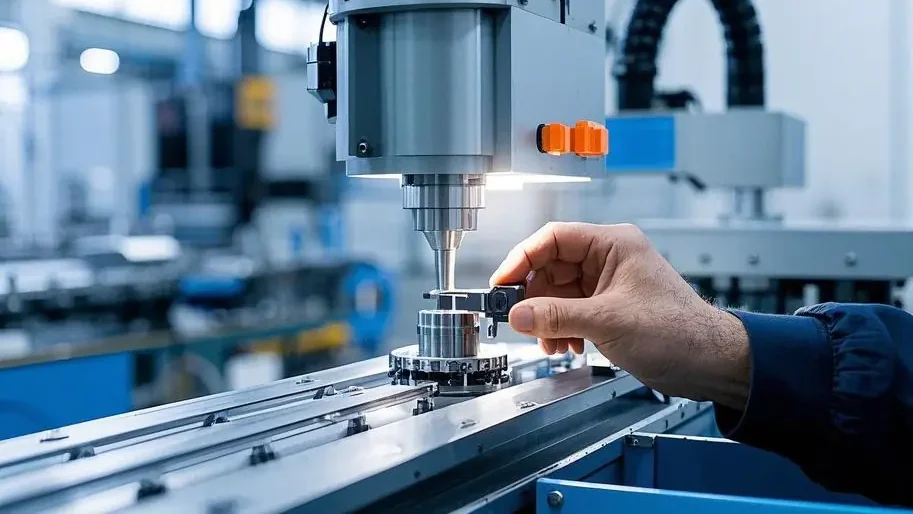
Wuxi’s key industries include:
- Jiangyin Textile: Jiangyin’s textile industry is one of its four 100-billion-yuan clusters. It has 578 large-scale textile enterprises, including famous brands like Heilan Home. It has formed specialized towns focused on different textile products.
- Yixing Purple Clay Ceramics: Yixing’s Zisha purple clay ceramics are world-famous. Dingshu Town, the core production area, has an annual industry output of over 10 billion yuan. These handcrafted ceramics are popular export products for art and home decor buyers.
- Xishan Electric Vehicles: Xishan is known as “China’s Electric Vehicle Hometown”. It has 202 electric vehicle export enterprises, with an annual export value of 600 million US dollars. It exports 749,000 electric vehicle units every year, with brands like Yadea and Luyuan expanding their global footprint.
- Precision Manufacturing: Binhu District’s high-end precision manufacturing industry has world-leading companies. For example, Xijie Microelectronics’ smart city light chips take up over 60% of the national market. Frsky, a local brand, ranks top 3 in the world in its niche sector.
Together, Suzhou and Wuxi form the core of Jiangsu’s high-end exports. They offer everything from cutting-edge industrial parts to smart consumer products. This is why they are such a big part of Global Sourcing from Jiangsu.
Chapter 3: Nanjing–Zhenjiang Belt: Smart Manufacturing, Auto Parts & Specialty Consumer Goods
Moving north-west, we come to the Nanjing metropolitan area. This area combines Nanjing’s high-end industrial strength with Zhenjiang’s specialty consumer goods clusters.
It is a top spot for buyers looking for smart manufacturing products, auto parts, and unique specialty consumer goods.
Nanjing: Smart Manufacturing & New Energy Vehicles
Nanjing, the capital of Jiangsu, is a hub for high-end industrial manufacturing. It has built a series of advanced industrial clusters that are leading China’s manufacturing upgrade.
Let’s break down the key areas:
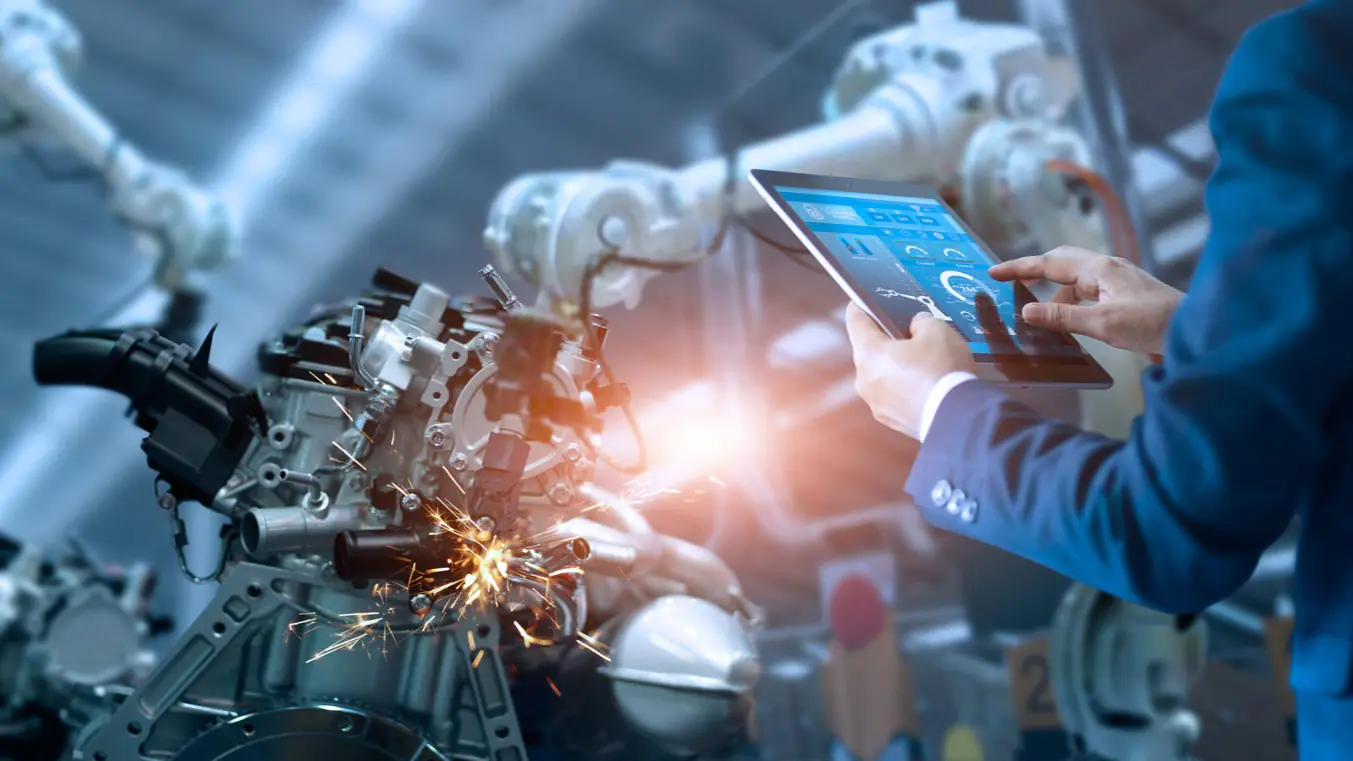
- Smart Manufacturing & Robotics: Jiangning District’s smart manufacturing industry has gathered over 1,500 enterprises. It has nearly 100 robot companies, producing both industrial and special robots. Companies like Estun are leading the global robot industry. It also has a strong CNC machine tool sector, with leading companies in the sector.
- New Energy Vehicles: Nanjing’s new energy vehicle industry has over 500 related enterprises. The whole vehicle production capacity exceeds 1 million units. It is one of China’s major new energy vehicle export bases, supplying electric cars to global markets.
- Electronic Information: Nanjing is one of China’s most important electronic industry bases. Its electronic information manufacturing scale ranks top among China’s sub-provincial cities. Its products are used in communications, computers, consumer electronics, and auto electronics.
- Consumer Goods: Nanjing also has strong consumer goods clusters. Its outdoor goods industry is expected to hit 50 billion yuan by 2025. It also has textile and apparel clusters, covering everything from chemical fiber to finished clothing.
Zhenjiang: Specialty Consumer Goods With Global Dominance
Just east of Nanjing, Zhenjiang has some of the most impressive specialty industrial clusters in the world. These small towns dominate global market shares for their products.
The most famous one is Danyang, the Glasses Capital. Danyang has over 1,600 optical related enterprises, with over 50,000 employees. It produces over 400 million pairs of lenses every year. That accounts for 75% of China’s total lens production, and 50% of the global lens production.
This means that half of the glasses lenses in the world are made in this small town. It has a complete supply chain, from raw materials to finished glasses. This makes it the best place in the world to source optical products.
Beyond glasses, Danyang also has other strong industries:
- Hardware Tools: Danyang has over 500 hardware tool enterprises. Its drill bits take up 60% of the national market and 70% of the international market. Its diamond saw blades take up 54% of the national market.
- Auto Parts: Zhenjiang has over 1,000 auto parts enterprises. It is known as “China’s Auto Parts Export Base”. Its auto parts products are supplied to global car manufacturers.
- Outdoor Goods & Snow Boots: Daoshu Town’s outdoor goods industry has 50+ enterprises, with 80% of products exported. Its sleeping bags take up 30% of the global market share. Gaoqiao Town is “China’s Snow Boot Hometown”, with 400 related enterprises. It produces 15 million pairs of snow boots every year, taking up over 40% of the national market.
These specialty clusters show how even small towns in Jiangsu can dominate global markets. Their expertise and scale make them unbeatable for global buyers.
Chapter 4: Nantong Specialty Belt: Home Textiles, Tools & Sports Goods
To the east of Nanjing, along the coast, Nantong has its own set of powerful light industry clusters. This area focuses on home goods, tools, and sports products, and it dominates many global niche markets.
If you are sourcing home textiles, tools, or sports goods, this is the region you need to know.
Dieshiqiao: The World’s Largest Home Textile Hub
The most famous industry in Nantong is the home textile industry, centered on Dieshiqiao in Haimen.
Nantong International Home Textile Industrial Park is the largest home textile production and trading base in China. It has gathered:
- Nearly 4,000 home textile finished product enterprises
- 2,400 fabric and accessory suppliers
- 350 foreign trade export enterprises
- Nearly 30,000 e-commerce enterprises
The scale here is incredible. Nantong’s home textile industry produces over 1.2 billion pieces of products every year. That means every minute, it produces 1,350 sets of bed linens, 670 quilts, and 340 pillows.
The domestic market share of Nantong’s home textiles exceeds 50%. Its annual foreign trade export value exceeds 10 billion yuan. The e-commerce retail scale of home textiles here ranks first in the country.
This means that no matter what home textile product you need—bedding, curtains, towels, or home decor fabrics—you can find it here. The scale and complete supply chain mean you can get the best price and fastest delivery.
Qidong: China’s Electric Tool Capital
Just south of the home textile cluster, Qidong is the core of Nantong’s electric tool industry.
Qidong has over 900 electric tool enterprises, with an annual output value of over 30 billion yuan. It has a complete supply chain, from raw materials to parts to finished assembly. The entire industry accounts for over 60% of China’s total electric tool market.
This means that most of the electric tools sold in China, and many exported to the world, come from Qidong. The factories here can produce everything from small household power tools to professional industrial ones.
Other Nantong Specialty Clusters
Beyond these two, Nantong has many other specialized industries:
- Rudong Fitness Equipment: Xindian Town in Rudong is known as “Jiangsu’s Fitness Equipment Hometown”. The fitness equipment industry accounts for 40% of the local industry. The total sports industry output is over 50 billion yuan, employing 150,000 people.
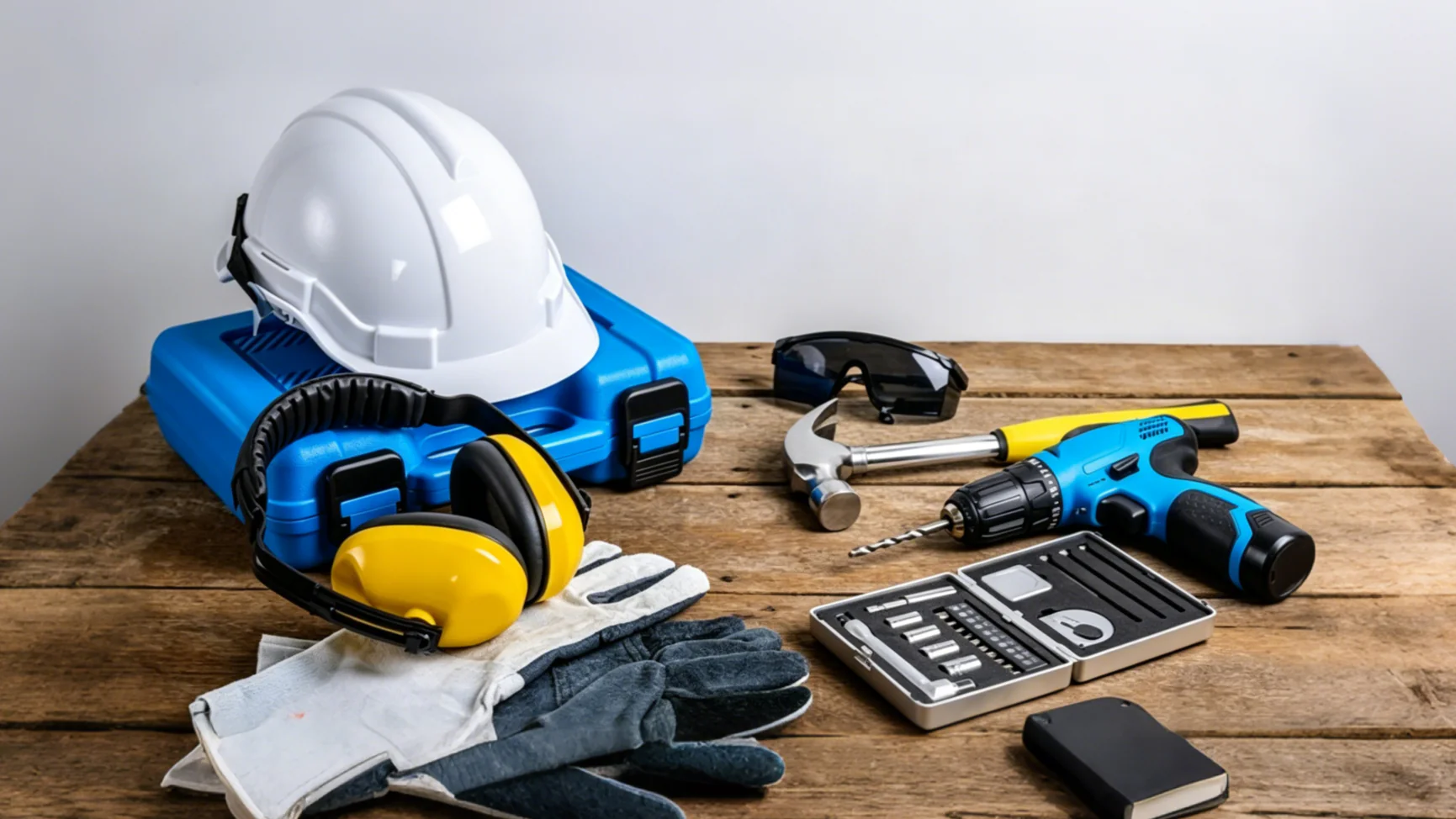
- Rudong Labor Protection Goods: Rudong is also a major base for labor protection products. It has many enterprises producing safety helmets, protective clothing, safety glasses, and safety shoes. These products are exported to construction and manufacturing companies around the world.
- Outdoor Goods & Apparel: Haimen’s outdoor goods industry has nearly 100 enterprises. It produces 5 million footballs every year, with a total sports manufacturing output of 1.682 billion yuan. Nantong’s overall apparel industry is also very strong, ranking top 3 in Jiangsu in terms of output and export volume.
This entire Nantong belt is focused on light industry products. It is the reason why Jiangsu is such a big part of China High-end Manufacturing Export Supply Chain, even for traditional light industry products.
Chapter 5: Digital Trade & Upgrading: Jiangsu’s New Competitive Edge in Global Supply Chains
All these industrial clusters are impressive, but what really makes Jiangsu stand out today is its digital and brand transformation. Jiangsu is not just a manufacturing hub—it is moving up the global value chain.
This is what gives it a new competitive edge in the global supply chain.
First, Jiangsu is a leader in cross-border e-commerce. Many of its cities are national cross-border e-commerce pilot zones. This means that small buyers can now source directly from Jiangsu factories online, without having to travel to China.
This has opened up Jiangsu’s industrial clusters to small and medium businesses around the world. Before, only large companies could afford to source directly from China. Now, even a small store owner can order a small batch of goods from Danyang or Nantong through cross-border e-commerce.
Second, Jiangsu’s factories are upgrading from OEM to independent brands. Unlike many other regions in China that only do processing for foreign brands, Jiangsu has built many global brands.
For example, Suzhou’s Ecovacs, Tineco, and Dreame are now well-known smart home brands in Europe and the US. Wuxi’s Yadea is the world’s largest electric vehicle brand, selling products in over 100 countries. These brands are not just cheap goods—they are high-quality, innovative products that compete with Western brands.

Third, the industrial clusters are digitizing their own supply chains. For example, the Dieshiqiao home textile market has built an online trading platform that matches buyers and sellers in real time. This makes it faster and easier to source home textiles. Many factories are also using smart manufacturing technology to improve quality and efficiency.
This means that sourcing from Jiangsu is now easier and more reliable than ever. You can get high-quality products, fast delivery, and competitive prices, whether you are a large company or a small business. This is why Cross-border E-commerce in Jiangsu is growing so fast.
Practical Sourcing Guide: How to Get the Best Results From Jiangsu’s Clusters
Now that you know what Jiangsu’s industrial clusters can offer, you might be wondering how to actually source products from these regions. Sourcing from Jiangsu is not hard, but there are a few practical tips that can help you avoid common mistakes and get the best price and quality for your business.
First, pick the right town for your specific product. Many new buyers make the mistake of contacting random suppliers across the province, thinking a “general manufacturer” can give them the best deal. But as we have shown, each town in Jiangsu specializes in one specific product, and built a complete supply chain around it.
If you want to source optical glasses, do not waste time contacting electronics suppliers in Suzhou. Go straight to Danyang. If you need home textiles, go directly to Dieshiqiao in Nantong. This way, you can access the full local supply chain, and get a price that is 30-40% lower than sourcing from general suppliers, because the local factories do not have to pay for shipping parts from other cities. That cost saving gets passed directly to you.
Second, verify your supplier’s export experience before placing an order. Jiangsu has tens of thousands of factories, but not all of them have experience exporting to Western markets. Before you commit, ask for their export certificates, past customer references, and quality control reports.
For example, if you are sourcing auto parts or industrial parts, you need to make sure the factory has ISO 9001 or IATF 16949 certifications. If you are sourcing consumer goods, you need to confirm they can meet CE or FDA standards for your local market. A good export-experienced supplier will already have these certificates ready, and can share them with you in one day.
Third, do not assume Jiangsu’s factories only do huge bulk orders. Many small business owners think that because Jiangsu has such large industrial clusters, the factories only take orders of 10,000 units or more. That is a big misunderstanding.
Most of the specialized towns in Jiangsu have many small and medium-sized factories that can handle small batch orders. For example, many Danyang glasses factories can handle orders of 500 pairs or less, perfect for small optical shops. Many Nantong home textile factories can do small custom orders for cross-border e-commerce sellers, even if you only need 100 sets of bed linens.
If you are a small buyer, just tell the supplier your order size upfront. Most of them are happy to work with small businesses, especially if you can commit to repeat orders in the future.
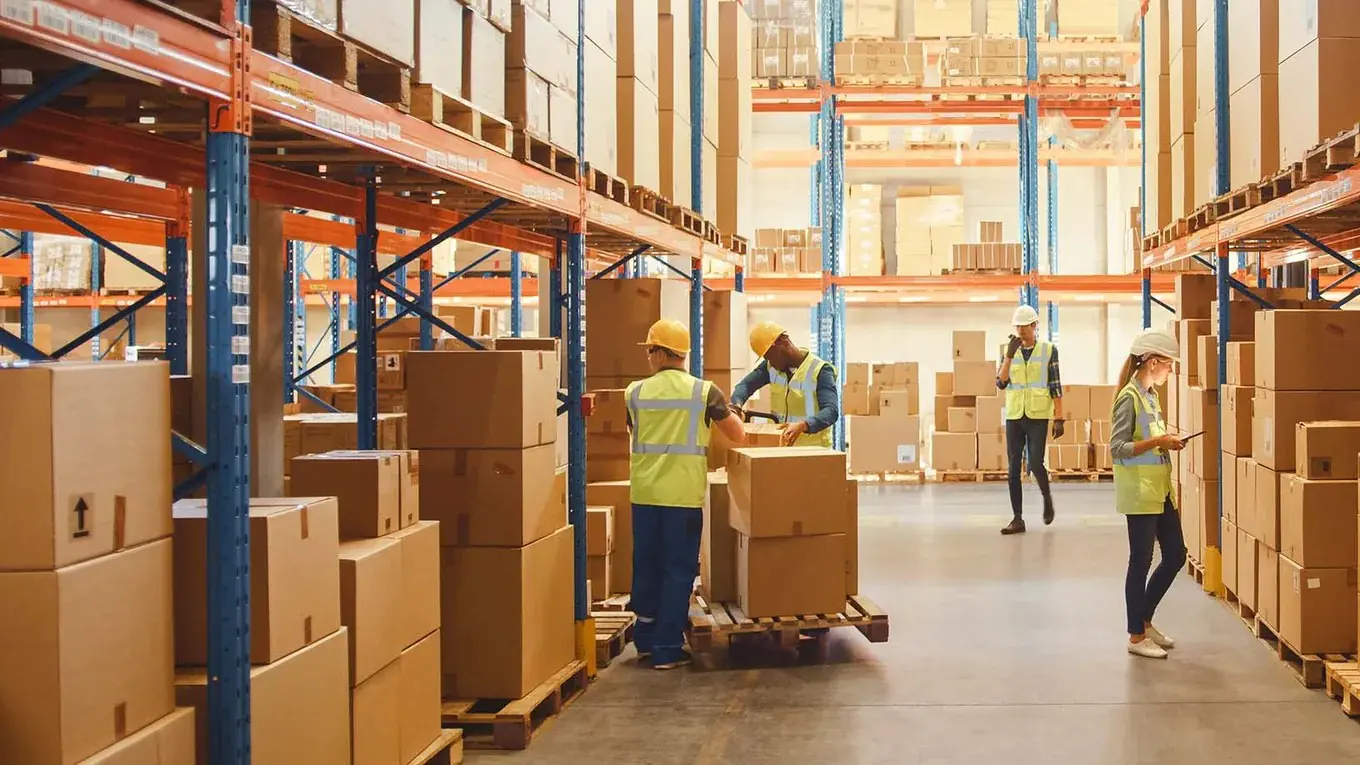
Fourth, plan your shipping and logistics properly. Jiangsu has one of the best logistics infrastructures in China. Most of the industrial clusters are within 2 hours of Shanghai Port, the largest port in the world. That means your goods can get from the factory to the port in just 1-2 days after production, no long internal trucking needed.
You also have many shipping options to choose from. For large bulk orders, sea freight from Shanghai Port is the cheapest option, with delivery to Europe or the US in 30-40 days. For small orders, you can use cross-border e-commerce logistics, like air shipping or sea door-to-door lines, which can deliver your goods to your door in 7-15 days.
Most suppliers in Jiangsu can also help you arrange the shipping. They have long-term partnerships with local freight forwarders, so they can get you a better price than you can get on your own. That saves you the trouble of arranging shipping yourself.
Fifth, plan ahead for Chinese public holidays. This is one of the most common mistakes new buyers make. The biggest holiday is the Spring Festival, usually in February. During that time, most factories close for 1-2 weeks, and some close for even longer to let workers go home for family reunions. Production stops completely, and shipping slows down a lot.
If you have an order that needs to be done before Spring Festival, you need to place the order at least 2 months in advance. That gives the factory enough time to finish production and ship the goods before the holiday. Other holidays like National Day in October also cause short slowdowns, so plan your order schedule accordingly.
Conclusion
Jiangsu’s foreign trade industry chain is a perfect example of how China’s manufacturing is upgrading. Its industrial clusters cover everything from high-end smart manufacturing to everyday consumer goods.
From Suzhou’s electronics to Danyang’s glasses, from Nantong’s home textiles to Nanjing’s new energy vehicles, each region has perfected its craft. They have built complete supply chains that are fast, efficient, and cost-effective.
For global buyers, this makes Jiangsu the best place in the world to source almost any product. Whether you are a small business owner looking for small batches or a large company looking for massive bulk orders, you can find what you need here.
As Jiangsu continues to upgrade its industries and build global brands, it will only become more important in the global supply chain. It is the high-end core engine of China’s Foreign Trade Industry Chain, and it will keep powering global trade for years to come.
If you are looking to source products from China, start with Jiangsu. You will be amazed at what you can find.