
Do You Really Understand Waterproof Outdoor Products?
When shopping for outdoor gear, “waterproof” is a universal selling point highlighted by nearly every brand. But for professional buyers, the critical question is not whether a product carries the waterproof label—it’s what level of rain, humidity and harsh outdoor conditions the item can actually withstand. There are massive gaps in real-world performance between different base materials, coating processes and industry test standards.
This blog introduces Waterproof Outdoor Products, including the core standards, testing methods, material processes and quality control points. It helps buyers make professional judgments, see through misleading marketing, and grasp the real quality logic behind reliable outdoor gear.
Why Waterproof Outdoor Gear Has Become a Global Procurement Priority
How Outdoor Lifestyles Are Driving Surging Waterproof Demand
In recent years, outdoor lifestyles—including backyard leisure, recreational camping and commercial outdoor space upgrades—have boomed worldwide, directly fueling explosive demand for water-resistant outdoor products. Camping, once a niche hobby, has evolved into a mainstream daily leisure activity for general consumers.
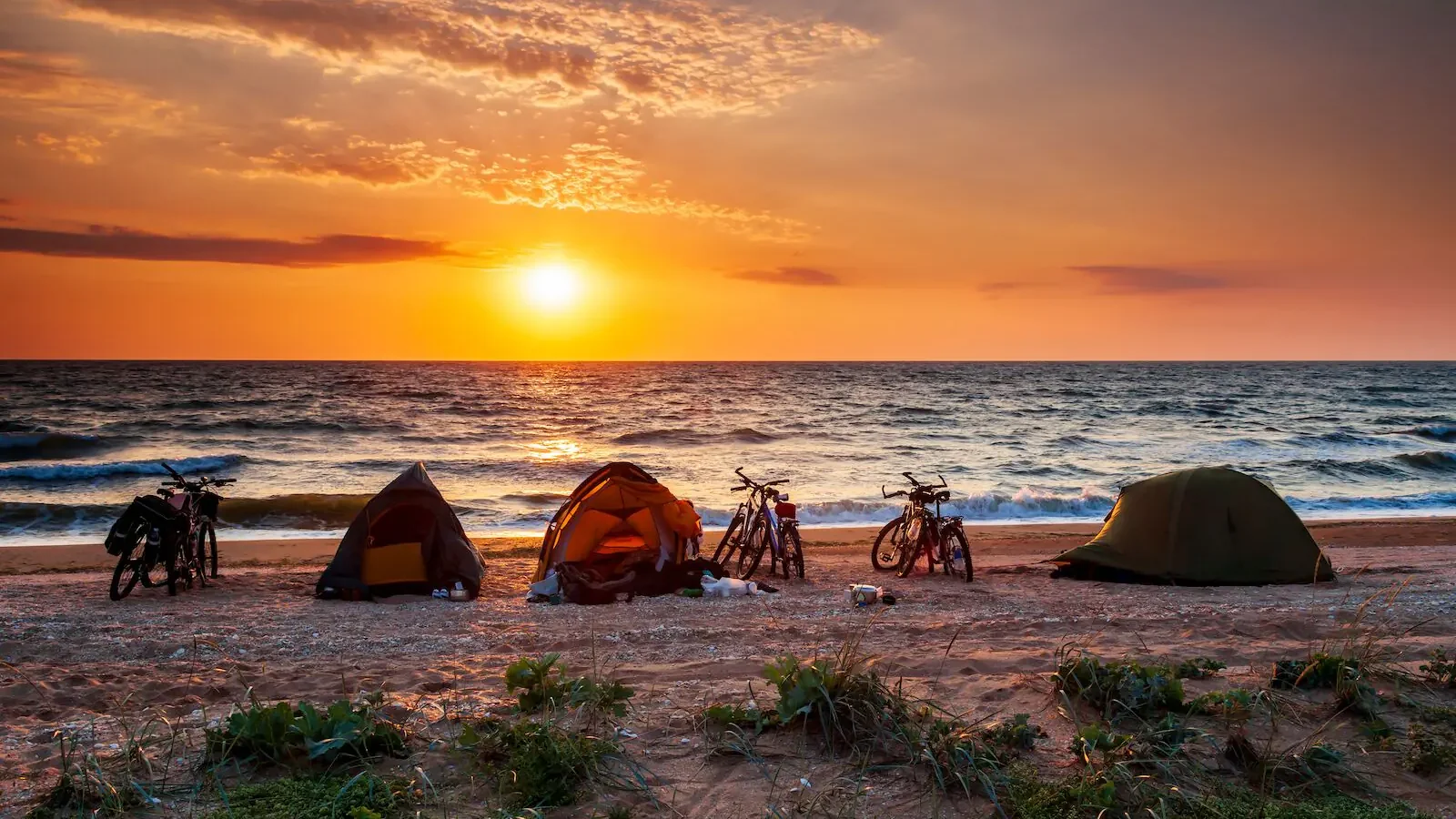
According to iMedia Research, China’s core camping economy market size is projected to reach 291.95 billion yuan in 2026, driving the upstream and downstream industrial scale to 1.62 trillion yuan. During the 2026 Qingming Festival holiday, sales of lightweight camping equipment jumped over 200% year-on-year, and nearly all of these items require reliable waterproof performance to handle sudden downpours and outdoor moisture.
At the same time, upgrades of commercial outdoor spaces—such as open-air cafes, scenic rest areas and community activity centers—are accelerating. All these scenes depend on waterproof products like awnings, outdoor sofas and storage cabinets to ensure long-term, low-fuss use.
In South Korea, sustained high temperatures and seasonal heavy rains have pushed waterproof equipment sales sharply higher: sales on fashion platforms W Concept and Musinsa rose 30% and 583% year-on-year respectively. This data confirms steady, global growth in demand for waterproof outdoor goods.
Why Waterproof Performance Is Now a Non-Negotiable Procurement Standard
Modern consumers increasingly prioritize convenience and long-lasting durability in outdoor purchases, with “all-weather usability” and “minimal maintenance” as top core demands.
A survey of 2,049 outdoor consumers by the Southern Weekend Green Research Center found that 63.25% of respondents rank “durability” as a top purchasing factor—and waterproof performance is the foundation of long-term product durability. Consumers no longer settle for gear that only works on sunny days; they expect products to hold their performance in rainy, humid environments without frequent upkeep or replacement.
Platform search trends back this up as well. Google Trends data shows search volume for “waterproof outdoor products” has stayed at a multi-year high, with related keywords like “waterproof outdoor furniture” and “waterproof camping tent” climbing over 40% year-on-year.
For e-commerce sellers and offline retailers, waterproof outdoor lines deliver higher conversion rates and lower return rates, making them a core category for strategic procurement.
The After-Sales Risks of Poor Waterproof Performance
Subpar waterproofing doesn’t just ruin the user experience—it brings severe after-sales headaches for brands and buyers, and can permanently damage brand reputation. The most common failures include mold growth, seam seepage, coating peeling and metal frame rust.
For example, a substandard outdoor furniture cover will trap moisture inside, causing furniture to mildew and deteriorate, driving up long-term maintenance costs significantly. A sampling inspection of tent products by major e-commerce platforms found that 38% of failed products were rejected for substandard waterproofing, with nearly all issues concentrated at seam leaks.
These quality flaws directly crash customer loyalty: 70% of consumers say they will never repurchase from a brand with poor waterproof performance, and 45% will share negative reviews publicly. What’s more, poorly waterproofed products have a repair rate as high as 15%, drastically inflating buyers’ total procurement costs.
What Waterproof Ratings Actually Mean (And What They Don’t)
The Critical Difference Between Waterproof and Water Resistant
Many buyers mix up “waterproof” and “water resistant” when sourcing outdoor products, but the two terms have entirely different industry definitions per AATCC, ISO and other international standards.
“Waterproof” means the product can fully block water penetration under sustained water pressure, with durable, long-lasting water barrier performance. “Water resistant” only means the product can repel light splashes or brief, light rain—it cannot hold up against sustained downpours or applied water pressure.
Most “water resistant” products on the market only have a surface water-repellent treatment, which makes water bead up and slide off the fabric, but cannot stop moisture from seeping through with prolonged contact. For instance, a “water resistant” outdoor jacket may handle light drizzle, but will leak immediately in heavy rain.
Understanding this core difference is the first step to avoid false marketing and source products that match your real usage needs.
How the Hydrostatic Pressure Test Works
The Hydrostatic Pressure Test is the industry gold standard for measuring the waterproof performance of fabrics and finished outdoor goods, widely used in third-party certification and quality inspections.
The test works by applying steady, controlled water pressure to a fabric sample with professional testing equipment, monitoring for the first signs of water penetration. Results are measured in millimeters (mm), representing the maximum height of a water column the sample can withstand without leaking.
As a benchmark, a fabric rated 2000mm hydrostatic pressure can reliably handle moderate to heavy rain in outdoor environments. Per the ISO 811 international standard, the test requires a water pressure increase rate of 10±2 kPa/min, conducted at a controlled temperature of 23±2℃. The higher the mm rating, the stronger the product’s waterproof barrier. This test applies to nearly all high-demand outdoor items, including tents, awnings and furniture covers.
Recommended Waterproof Ratings for Common Outdoor Products
Different outdoor items have vastly different usage scenarios and waterproof requirements. Buyers should match ratings to actual use cases to avoid overspending on unnecessary performance, or under-sourcing and risking product failure.
Below is the standardized, industry-recognized rating guide for common outdoor goods:
| Product Type | Recommended Waterproof Rating (mm) | Applicable Scenarios |
| Camping Tent | ≥2000mm | Outdoor camping, resists moderate-heavy rain and sustained humidity |
| Outdoor Furniture Cover | 1000-2000mm | Long-term outdoor placement, resists light-moderate rain and dew |
| Awning | ≥1500mm | Commercial/residential outdoor spaces, resists moderate rain and sun exposure |
| Outdoor Storage Cabinet | ≥1000mm | Outdoor item storage, prevents moisture and seepage damage |
For reference, China’s national standard GB/Z 27735-2022 mandates that camping tent base fabric must have a minimum hydrostatic pressure rating of 20kPa (roughly 2000mm water column) to prevent leakage in moderate to heavy rain.
Why Lab Results Don’t Always Match Real-World Performance
Many buyers notice that products perform worse in outdoor use than their lab test results suggest. The reason is simple: lab tests are run in perfect, controlled conditions, while real outdoor environments are far more complex, with multiple factors eroding waterproof performance over time.
Wind is one of the biggest variables. Strong wind amplifies the pressure of rain hitting the product surface, pushing water through seams and weak points even if the fabric itself meets rating standards. Long-term UV exposure also ages and breaks down waterproof coatings, causing brittleness, peeling and permanent leaks—PU coated fabrics are especially prone to this failure.
Seams are the most overlooked weak link. Even if the base fabric passes waterproof testing, poor seam sealing will cause the entire product to fail. A comparative test of 40 batches of outdoor jackets found 3 products had leakage issues, all of them concentrated exclusively at stitched seams.
Outdoor Waterproof Materials: Performance Pros & Cons of Common Options
PU Coated Fabric: The Most Widely Used All-Rounder
PU coated fabric is the most common material in mass-market waterproof outdoor goods, made by applying a polyurethane (PU) layer to polyester, nylon and other base fabrics. It balances strong waterproof performance, soft hand feel and lightweight design, making it the standard choice for tents, outdoor jackets and lightweight furniture covers.
Most PU coated fabrics have a waterproof rating of 1000-5000mm, covering the needs of nearly all mainstream outdoor scenarios. It is softer and more flexible than PVC material, easy to fold and store, and will not harden in low-temperature environments.
Its core drawbacks are lower long-term durability: it is prone to UV aging and coating peeling after prolonged sun exposure, and has weak resistance to chemical corrosion, with risk of damage when in contact with organic solvents.
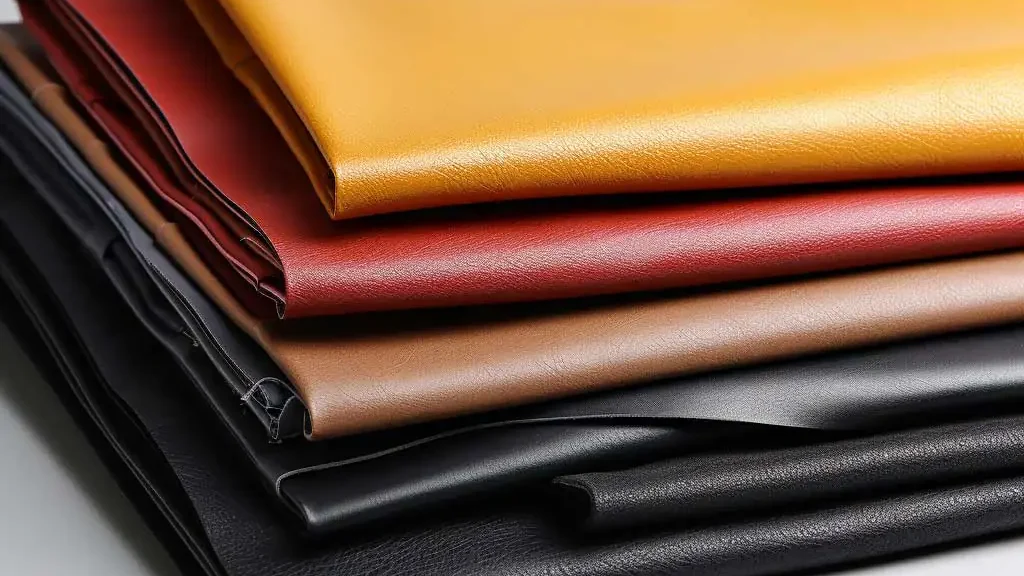
PVC Waterproof Fabric: The High-Strength Traditional Option
PVC is a classic waterproof material, produced by compounding PVC resin with plasticizers, stabilizers and other additives. Despite ongoing environmental discussions, it remains widely used in high-demand waterproof scenarios thanks to its unbeatable barrier performance and cost efficiency.
PVC fabric can easily reach a waterproof rating above 5000mm, withstanding heavy downpours and long-term water immersion. It is the preferred material for large awnings, commercial tents and swimming pool covers.
Additional strengths include excellent wear resistance, corrosion resistance and ease of processing; it flexes with base settlement and deformation, and can be welded and repaired on-site easily. Its core limitation is environmental impact: it contains migratable plasticizers, is non-biodegradable and faces increasing restrictions in high-end sustainable markets.
TPU & Composite Fabrics: The Sustainable High-End Trend
As global sustainable consumption rises, eco-friendly waterproof materials have become the fastest-growing trend in the high-end outdoor market, with TPU (thermoplastic polyurethane) and multi-layer composite fabrics leading the shift.
TPU fabric is non-toxic, low-carbon and partially degradable, with waterproof performance and durability matching PVC, while being softer and lighter than traditional PVC material. It is the standard choice for premium camping tents and professional outdoor sports gear.
Composite fabrics combine the strengths of multiple base materials—such as high-strength nylon bonded with TPU waterproof film, or PU composite cotton—balancing durability, weather resistance and waterproof performance in one material.
Market data supports this shift: 40.46% of outdoor consumers say they are willing to pay a premium for sustainable waterproof materials, making TPU and composite fabrics the top choice for high-end buyers. More and more international outdoor brands are launching lines using these materials to meet sustainable procurement demands.
Thicker Fabric Does NOT Equal Better Waterproofing
A common buyer misconception is that thicker fabric automatically means better waterproof performance. In reality, fabric thickness is not a deciding factor—fabric density, weave tightness and coating process are far more critical.
Fabric density refers to the number of warp and weft yarns per unit area. Higher density means smaller gaps between yarns, creating a tighter natural barrier against moisture. Two fabrics of the same thickness will have massive performance gaps: a high-density, tight-weave fabric will outperform a loose, low-density fabric by a huge margin.
Coating quality is equally important. Even a thick, heavy fabric will fail if the coating is uneven, poorly bonded, or full of pinholes and glue bleed-through—common manufacturing flaws that directly destroy waterproof performance.
Waterproof Testing: Core Methods Every Buyer Must Master
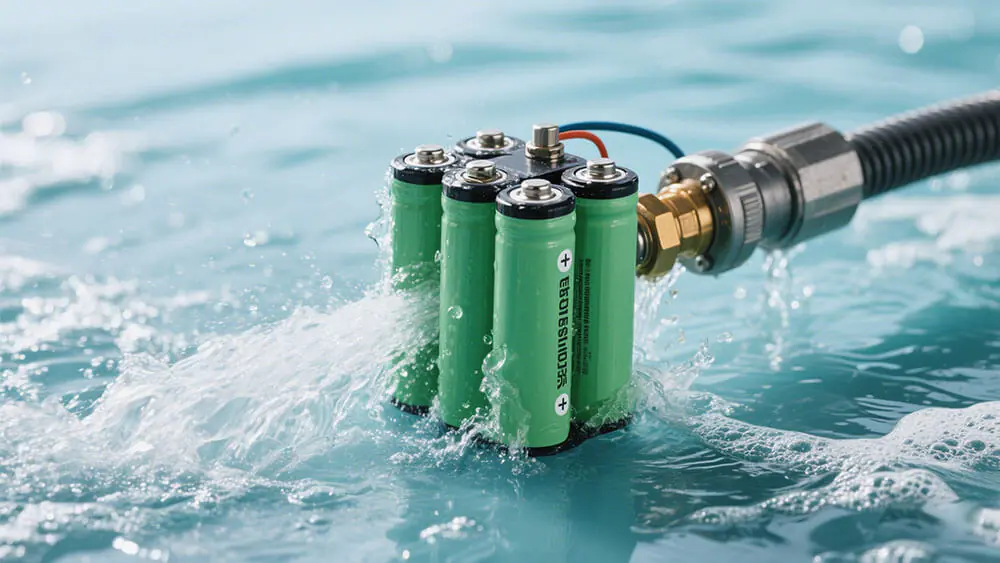
Spray Test vs. Hydrostatic Test: Key Differences
Spray testing and hydrostatic testing are the two most common waterproof evaluations, but they serve entirely different purposes and measure different performance metrics. Buyers must distinguish between them to verify product quality accurately.
The Spray Test measures surface water repellency, or the fabric’s ability to shed light splashes and drizzle. The test sprays water at a controlled angle and pressure onto the sample, then rates the fabric’s water beading and surface wetting on a 1-5 scale (Level 5 being the best, with no surface wetting at all).
The Hydrostatic Pressure Test, as covered earlier, measures the fabric’s ability to resist sustained water pressure, testing its true waterproof barrier performance for heavy rain and immersion. Simply put: the Spray Test is for water-repellent items like outdoor jackets and hats, while the Hydrostatic Test is for high-protection items like tents and awnings.
Seam Waterproofing: The Most Overlooked Critical Detail
Seam sealing is the single most common failure point for waterproof outdoor products, and it is consistently ignored by both buyers and suppliers.
Stitched seams create tiny needle holes and gaps in the fabric barrier—these are the easiest places for water to seep through. Even if the base fabric has a perfect 5000mm+ waterproof rating, poor seam sealing will make the entire product leak in heavy rain.
As previously cited, 38% of unqualified tents failed exclusively due to seam leakage. Common seam waterproofing methods include hot-melt sealing tape, waterproof glue sealing and waterproof thread sewing. Hot-melt tape sealing delivers the most reliable performance, fully closing needle gaps to eliminate seepage.
When sourcing tents, furniture covers and awning products, buyers must prioritize seam construction, and require suppliers to provide seam sealing test reports alongside fabric test data.
Color Fastness: A Hidden Marker of Waterproof Durability
Color fastness and waterproof performance are directly linked—fading and poor color fastness are almost always early signs of coating aging and declining waterproof performance.
Long-term outdoor UV exposure fades fabric dyes, and simultaneously breaks down PU, TPU and other waterproof coatings, causing brittleness, peeling and permanent loss of barrier function. Per ISO 105-E01 standard, waterproof fabrics must have a water color fastness rating of at least 3-4 levels.
A low color fastness rating also causes dye to run and bleed when wet, contaminating the waterproof coating and further damaging performance. Testing shows that after 1000 hours of simulated sun exposure, unqualified fabrics lose 2-3 color fastness levels, and their waterproof rating drops by more than 50%.
What Third-Party Labs Actually Test For
Authoritative third-party labs including SGS, Intertek and TÜV are the most reliable way to verify waterproof product quality, with their test reports serving as the gold standard for procurement.
These labs test 5 core performance metrics for waterproof fabrics and finished goods:
- Hydrostatic Pressure Test (core waterproof barrier performance)
- Spray Test (surface water repellency)
- Seam Sealing Test (seam waterproof reliability)
- Color Fastness Tests (water, light and rubbing fastness)
- Durability Testing (abrasion resistance, UV aging resistance)
For metal components like tent frames, labs also conduct salt spray testing per ISO 9227:2022 to verify corrosion resistance and prevent rust failure. Valid test reports must include a unique report number, full sample details, test standards, raw data and pass/fail conclusions. Buyers should confirm all test items align with their procurement requirements before placing orders.
Quality Control: How to Reduce Waterproof Product Procurement Risks

Why Sample Performance Is Almost Always Better Than Bulk Goods
The most common pain point in outdoor product procurement is inconsistent quality: samples have flawless waterproof performance, but bulk production fails to meet standards. This issue almost always stems from material substitution and process cutbacks.
To win orders, many suppliers use high-grade materials and strict craftsmanship for sampling, then switch to inferior materials or cut process steps to reduce costs once the order is confirmed. Common shortcuts include swapping high-density PU fabric for low-grade PVC, reducing coating thickness, skipping full seam sealing, or cutting anti-aging additives from the coating formula.
Industry survey data shows 65% of outdoor product buyers have experienced sample-bulk quality inconsistency, with waterproof performance being the most frequent failing metric.
How to Verify Supplier Test Data and Avoid Fraud
Verifying supplier test data is non-negotiable for reducing procurement risks—buyers should never accept unvetted test reports at face value.
First, verify the lab qualification: only reports issued by CNAS or ILAC-MRA accredited laboratories are valid, and the lab’s accreditation scope must cover the exact test items listed on the report.
Second, check the report’s completeness and consistency: the report must include a unique serial number, matching sample details, full test standards, raw test data and official judgment. Sample specifications on the report must match the product you are sourcing exactly.
Finally, confirm the report’s authenticity: use the lab’s official contact information to verify the report via phone or email. For bulk orders, always conduct random sampling of finished goods and send samples to a third-party lab to confirm consistency with the supplier’s provided data.
The Most Common Waterproof Product Manufacturing Defects
Waterproof outdoor products have complex production processes, with quality risks at every stage. The most common, performance-killing defects are:
- Seam Leakage: Caused by incomplete sealing, substandard sealing tape or unqualified waterproof glue
- Uneven Coating: Caused by unstable coating equipment or unskilled operation, creating inconsistent waterproof performance across the fabric
- Premature Material Aging: Caused by low-grade base materials or insufficient anti-UV additives, leading to rapid performance loss after outdoor use
- Coating Pinholes: Caused by over-treatment of base fabric or low solid-content coating slurry, creating micro holes that cause invisible leaks
Nearly all of these defects can be avoided with strict in-production quality control and pre-shipment sampling inspections.
How to Build a Stable, Reliable Long-Term Supply Chain
A stable, vetted supply chain is the only way to guarantee consistent waterproof quality and control long-term procurement risks.
First, conduct a full pre-cooperation audit of suppliers: evaluate production capacity, in-house quality control systems, product certification qualifications and after-sales service capabilities. Prioritize suppliers with years of outdoor product production experience and complete, documented QC processes.
Second, implement a mandatory random inspection system for all bulk orders: follow ANSI/ASQ Z1.4 sampling standards, with a minimum sampling rate of 5%. Require immediate rework or returns for any batch that fails inspection.
Finally, maintain clear, consistent communication with suppliers, set written quality standards and performance requirements, and collaborate to resolve production issues proactively. Regular on-site factory audits are also highly effective to lock in long-term quality stability.
Conclusion
For professional outdoor product buyers, the real core value of reliable outdoor gear does not come from marketing slogans—it comes from verifiable material performance, compliant industry test standards, and strict full-chain quality control.
Mastering waterproof rating definitions, standardized testing methods, material performance differences and key QC checkpoints lets you accurately judge product quality, avoid misleading marketing, and source truly durable, high-performance goods.
Throughout the procurement process, prioritize verifying test authenticity, enforcing bulk order inspections, and building a stable long-term supply chain. This is the only way to reduce after-sales risks and total procurement costs, and build a competitive edge in the global outdoor market.
Remember: the true value of a quality outdoor product lies in its ability to withstand real outdoor weather, not just a printed “waterproof” label.