
China sourcing rarely starts with a container. It starts with one small sample order, a nervous wire transfer, and a lot of questions. This china sourcing case study walks through a composite journey built from patterns we see again and again among small business owners who import from China — from that first sample order to a scaled, full container load operation.
To make the journey concrete, we’ll follow Elena, a home goods seller based in Mexico City who began sourcing from China two years ago with a $180 sample order. Her story isn’t one specific client file; it’s a realistic composite drawn from common milestones, decisions, and mistakes buyers make while scaling from a first order to full container load shipments. If you’re earlier in your own journey, the pattern in this china sourcing case study will likely look familiar.
It Started With One Sample Order
Who This Story Is For
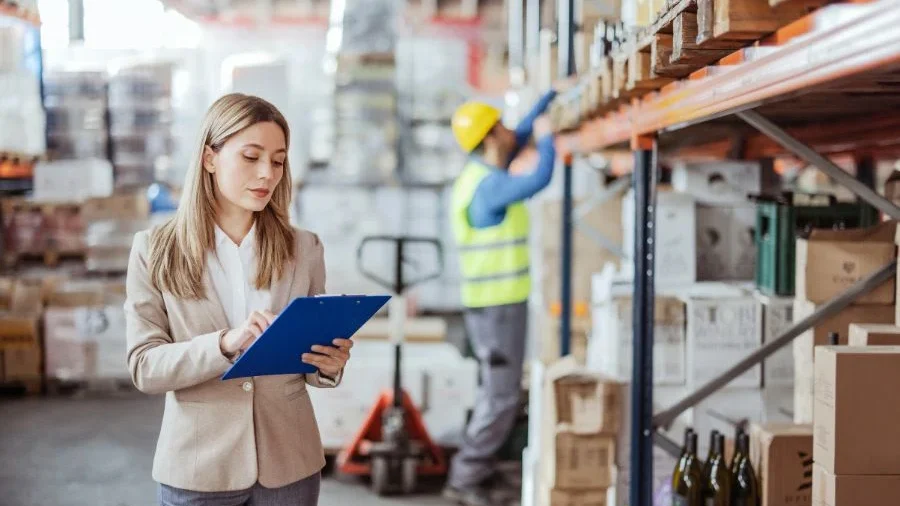
Elena’s situation is typical of many first-time importers. She ran a small online store selling ceramic kitchenware, had never dealt with a factory directly, and had only worked with local wholesalers before. Like most small business China import stories, hers began with hesitation. She had read horror stories about scams, wrong shipments, and factories that disappeared after payment. She wasn’t ready to place a bulk order. She wanted proof first, and she wanted a china sourcing agent who could stand between her and an unfamiliar supply chain while she figured out the process.
This kind of caution is healthy, not excessive. Most small business China import failures don’t come from bad products — they come from skipping verification steps because a deal looked too good to pass up. Elena’s early instinct to slow down and test the relationship before committing real money is the same instinct that separates sellers who scale smoothly from sellers who get burned on their first order.
The Real Cost of Skipping the Sample Stage
Before Elena settled on her supplier, she had briefly considered skipping the sample step entirely. A different factory had offered a lower per-unit price on a 2,000-unit order with no sample required, and the discount was tempting for a seller watching every dollar. She turned it down, and in hindsight that decision mattered more than any single negotiation later in the process.
A sample order typically costs somewhere between $50 and $300, depending on the product and shipping method. A rejected bulk shipment costs far more — the unit price, the freight, the storage, and the time spent unwinding a bad relationship. For a first-time buyer with no track record with a China supplier, the sample is cheap insurance. Sellers who skip it to save a few hundred dollars often end up paying for that decision many times over once a full order arrives with the same defects a sample would have caught.
Why We Tested Before We Committed
A sample order exists to answer one question: can this supplier actually deliver what they promised? Elena placed a small sample order — six ceramic mugs and two serving bowls — before committing to anything larger. This is standard practice for importers working with a China supplier, and for good reason. A sample order lets a buyer check material quality, packaging durability, and communication speed without financial exposure. It also gives a sourcing agent something concrete to inspect and compare against the factory’s claims. Skipping this step is one of the most common mistakes new importers make when they rush straight into a bulk purchase order.
What We Learned While Vetting a China Supplier
How We Verified the Factory
Before the sample even shipped, Elena’s china sourcing agent ran a basic verification check on the China supplier: confirming the business license, cross-referencing the factory address against the export history, and requesting recent third-party audit records. This step matters more than most first-time buyers realize. A supplier with a real, verifiable production facility behaves very differently from a trading company posing as one. Elena’s agent flagged that the “factory” listed on the supplier’s profile was actually a trading company subcontracting to three different production sites — not a dealbreaker, but a fact that shaped how the quality inspection was later structured.
Documents We Asked to See
Verification works best when it is specific, not just a vague promise to “check the supplier.” For Elena’s order, her agent requested a short, standard set of documents before authorizing payment on anything beyond the sample:
- Business license, matched against the company name on the sales contract, not just the sales rep’s business card
- Export license or trade record, confirming the supplier is legally allowed to ship internationally
- Factory audit report, either a recent third-party audit or photos and video from a live video walkthrough if no report existed yet
- Product certifications, relevant to the category — for ceramics, this meant food-contact safety documentation
- Bank account details, confirmed as matching the registered company name, not a personal account
None of these documents guarantee a perfect supplier. But together they filter out the riskiest suppliers early, before a buyer has any money on the line beyond the cost of a sample order.
Problems We Found in the Sample (And What We Did)
The sample batch arrived with two issues: a slightly uneven glaze finish on two mugs, and packaging that wasn’t rated for the drop-test standard Elena needed for her fulfillment center. Rather than walking away, her sourcing agent used the sample as a negotiating tool. They requested a revised glaze process and reinforced corner packaging before authorizing the first bulk order. This is where formal quality inspection standards come in.
Most consumer goods inspections in China sourcing follow the ISO 2859-1 Acceptable Quality Limit (AQL) system, with AQL 2.5 as the industry benchmark for major defects and zero tolerance (AQL 0) for anything safety-related, a method used to determine the maximum percentage of defective items considered acceptable in a production batch. Knowing this standard existed gave Elena a shared language to use with her factory instead of vague complaints about “quality.”
From Sample to First Bulk Order
Negotiating MOQ Without Losing Leverage
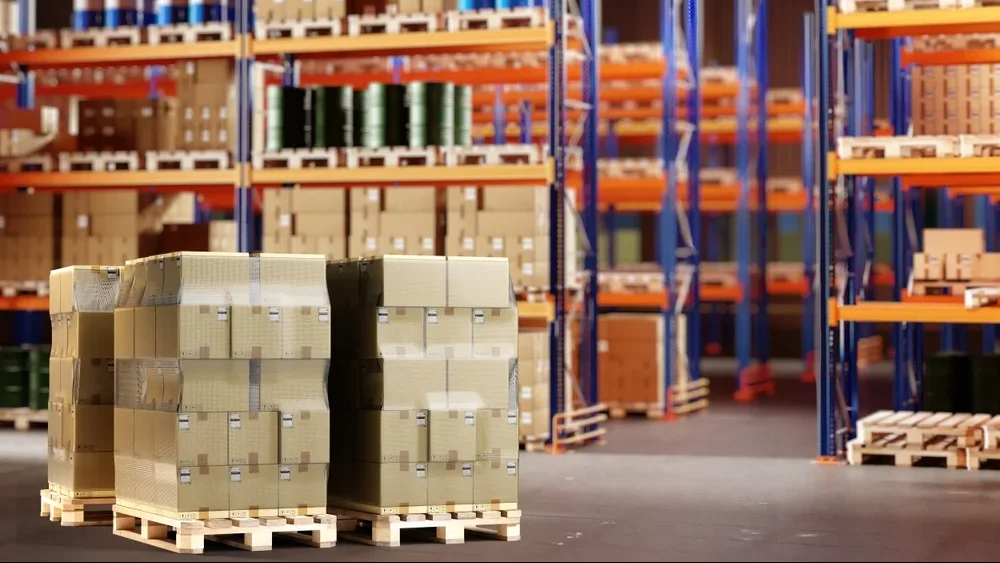
Once the sample issues were resolved, the next hurdle was minimum order quantity. The factory’s initial MOQ was 2,000 units — far more than Elena’s cash flow could absorb on a first order. Her sourcing agent negotiated a split arrangement: 800 units at a slightly higher per-unit price, with a written agreement that the standard MOQ pricing would apply once order history was established. This kind of first order China supplier negotiation is common. Factories care about production efficiency, not the number on the packing slip; a supplier willing to break their stated MOQ for a smaller first order is usually signaling that they value the relationship, not just the transaction.
How Payment Terms Shifted as Trust Grew
Payment structure was part of the same negotiation. On the first bulk order, Elena paid a 50% deposit before production and the remaining 50% before the goods left the factory — a common, cautious split for a first order China supplier relationship where neither side has a track record yet. By her fourth reorder, the terms had shifted to 30% deposit and 70% on shipment, and her supplier had started accepting payment after inspection sign-off rather than before.
This progression is normal, and it is worth planning for rather than assuming it will happen automatically. Suppliers rarely offer better payment terms unless a buyer asks, and they almost never offer them on the very first order. Tracking order history, on-time payments, and consistent volume gives a buyer real leverage to renegotiate terms every few orders instead of staying locked into first-order caution indefinitely.
Why We Chose LCL for the First Real Order
At 800 units, Elena’s shipment measured roughly 6 cubic meters (CBM) — nowhere near enough to fill a container on its own. Her sourcing agent booked the order as LCL (less than container load), sharing container space with other shipments bound for the same destination port.
Industry data backs this choice: the standard breakeven point between LCL and FCL sits at roughly 13 to 15 CBM on major China-to-US lanes, since below that volume LCL usually wins on cost while above it a full container load becomes the smarter move.
On the shipping from China to USA route specifically, 2026 LCL rates run between $85 and $165 per CBM, depending on the shipping season and current fuel surcharges, which made LCL the clear choice for a 6 CBM test order. For any small business China import operation still testing the water, this is usually the right call — you pay for the space you use instead of renting an entire container you can’t fill.
Scaling Up — From LCL to FCL
The Signals That Told Us It Was Time
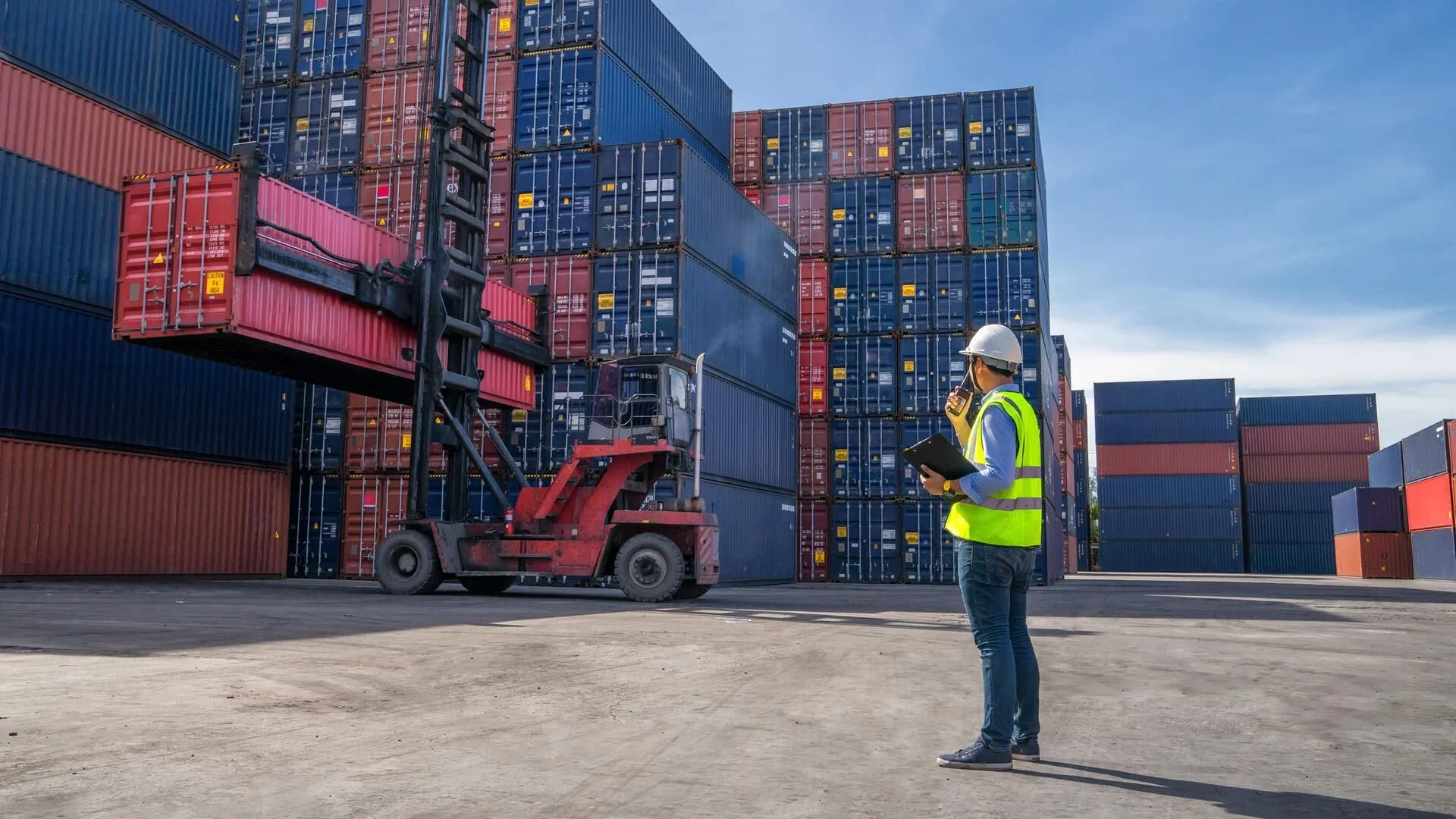
Over the following year, Elena’s reorders grew steadily: 6 CBM became 9, then 12, then 16. The signal to switch wasn’t a fixed date — it was volume crossing the breakeven line. Once her orders regularly exceeded 15 CBM, her china sourcing agent recommended moving to full container load shipping. Beyond the pure math, there were secondary reasons: fewer touchpoints for fragile ceramics, sealed cargo from factory to warehouse, and predictable transit timing instead of waiting on consolidation schedules at the origin port.
FCL vs LCL: Cost and Timeline Comparison
By the time Elena’s orders reached 18 CBM, the numbers made the decision easy. A standard 20-foot full container load holds roughly 28 to 33 CBM and typically costs between $2,500 and $3,200 all-in on the China-to-USA lane, while LCL shipments carry an added flat destination handling fee that hits small shipments hardest, typically running $150 to $250 per shipment in major US ports regardless of cargo volume. This is the moment when scaling China sourcing operations usually cross from “test order” territory into a real, repeatable supply chain.
| Factor | LCL (Less than Container Load) | FCL (Full Container Load) |
|---|---|---|
| Best for | Shipments under 13-15 CBM | Shipments above 15 CBM |
| Pricing model | Charged per CBM, shared container | Flat rate per container |
| Typical cost (China–US) | $85-$165 per CBM (2026 rates) | ~$2,500-$3,200 per 20ft container |
| Container capacity | Shares space with other shippers | ~28-33 CBM for a 20ft container |
| Transit time | Base transit plus 5-10 days for consolidation/deconsolidation | Faster door-to-door, no consolidation wait |
| Handling risk | More touchpoints, higher risk for fragile goods | Sealed at factory, fewer handling stages |
| Destination fees | Flat CFS fee split across small volume | No shared consolidation fee |
For Elena, moving from LCL to full container load also solved a hidden cost problem: at low volumes, the flat destination CFS fee was eating into her margins disproportionately. Once her shipments were large enough, the per-unit shipping from China to USA cost actually dropped, even though the total invoice was bigger.
What Changed Once FCL Became the Norm
The shift to full container load changed more than the freight bill. Elena’s inventory planning had to change too. LCL shipments arrived roughly every six to eight weeks in smaller, more frequent batches, which kept her working capital tied up for shorter stretches but meant more frequent reorder decisions. Full container load shipments meant fewer, larger purchase orders — better per-unit pricing and less time spent managing paperwork, but a bigger single cash outlay and more warehouse space needed to hold stock between shipments.
Her sourcing agent also adjusted the quality inspection plan once orders reached full container volume. A 6 CBM sample-stage batch could reasonably be checked with a smaller inspection sample. A full container load holding several thousand units needed a properly sized AQL sample under ISO 2859-1, not a quick spot check. Scaling China sourcing operations means scaling the quality control process alongside the order size, not just the freight booking.

The Sourcing Agent’s Role Through It All
Verification, Inspection, and Logistics Support
Looking back at two years of scaling China sourcing, the constant thread wasn’t the product or even the factory — it was consistent support at every stage: factory verification before the first sample, AQL-based quality inspection before every shipment, MOQ negotiation on the first bulk order, and freight mode decisions as volume grew. This is the practical value a sourcing agent brings to a small business China import operation: not doing one task well, but staying involved from sample order through full container load without the buyer having to rebuild trust with a new partner at each stage.
At UTSourcing, this is exactly the kind of end-to-end support we provide — from supplier verification and sample coordination through quality inspection and freight booking — so growing sellers don’t have to manage each stage of their China sourcing journey alone.
Common Mistakes We See at Each Stage
Elena’s journey went smoothly mainly because she avoided a handful of mistakes that trip up many first-time importers. These show up often enough across different buyers and product categories that they’re worth naming directly:
- Skipping the sample to save money. A rejected bulk order almost always costs more than the sample would have, in both cash and lost time.
- Trusting a supplier profile without checking documents. A polished storefront on a sourcing platform says nothing about whether the business license or export history is real.
- Accepting the first MOQ number as final. Many factories will flex on minimum order quantity for a smaller, well-structured first order, especially with a written commitment to grow.
- Booking LCL or FCL by habit instead of volume. Sticking with LCL well past the 13-15 CBM breakeven point, or booking a full container that ships mostly empty, both waste money.
- Treating quality inspection as optional once trust is established. AQL-based checks matter just as much on the tenth order as the first; consistency, not suspicion, is the goal.
- Switching sourcing agents or suppliers every time volume changes. Rebuilding verification and trust from scratch at each stage slows growth more than it protects it.
None of these mistakes are dramatic on their own. But avoiding all of them, consistently, over several orders, is what actually separates a smooth two-year scaling path from one full of costly restarts.
Conclusion
Elena’s path from a $180 sample order to a full container load shipment took about two years, but the sequence itself is not unusual. Most successful China sourcing relationships follow the same arc: a small test order, a supplier verification step, a negotiated first bulk order, and a shift from LCL to FCL once volume justifies it. For any small business considering their first order China supplier relationship, the lesson isn’t to move fast — it’s to move through each stage deliberately, with the right verification and logistics support at each step.
Key Takeaways From This China Sourcing Case Study
- Start small on purpose. A sample order costs little and tells you more about a China supplier than any sales pitch or online review.
- Verify before you scale. Business license checks and factory audits catch problems before they become expensive.
- Negotiate MOQ around your cash flow, not the factory’s default number — a good first order China supplier will often flex on volume for a new relationship.
- Match your freight mode to your volume. LCL protects margins under roughly 15 CBM; full container load protects margins above it.
- Keep one partner across every stage. Scaling China sourcing gets harder, not easier, if you switch sourcing agents or suppliers every time your order size changes.
A Few Questions Buyers Ask at This Stage
How much does a typical sample order cost? Most sample orders run $50 to $300, depending on the product and shipping method — a small price for the risk it removes before a bulk commitment.
Is LCL or FCL cheaper for a first order? For most first orders under roughly 13-15 CBM, LCL is cheaper. Above that volume, a full container load usually wins on cost per unit.
How long does it take to go from sample order to full container load? There’s no fixed timeline. Elena’s path took about two years, but it depends entirely on how fast reorder volume grows past the LCL-to-FCL breakeven point.
If your own shipping from China to USA volumes are creeping past the point where LCL still makes sense, that’s usually the clearest sign it’s time to plan your first full container load.