
Getting CE marking china testing right is usually the difference between a shipment that clears EU customs and one that gets pulled from an online listing weeks after launch. This case study follows Anna, a home goods importer based in Warsaw, through her first year sourcing electronics from China for the Polish and German markets — and the compliance mistakes that nearly stopped her business before it started.
Like the sourcing case study we published last month, this is a composite account built from patterns we see repeatedly among European buyers managing their import from China to Europe pipeline. It isn’t one specific client file, but the milestones, mistakes, and fixes below reflect what actually happens when a first-time importer meets EU compliance requirements head-on.
If you’re planning your own import from China to Europe and haven’t dealt with product safety certification china requirements before, Anna’s timeline — what she got wrong, what it cost to fix, and what she’d do differently — is a useful map for your own first order.
Why CE Marking China Trips Up First-Time Importers
What CE Marking Actually Means
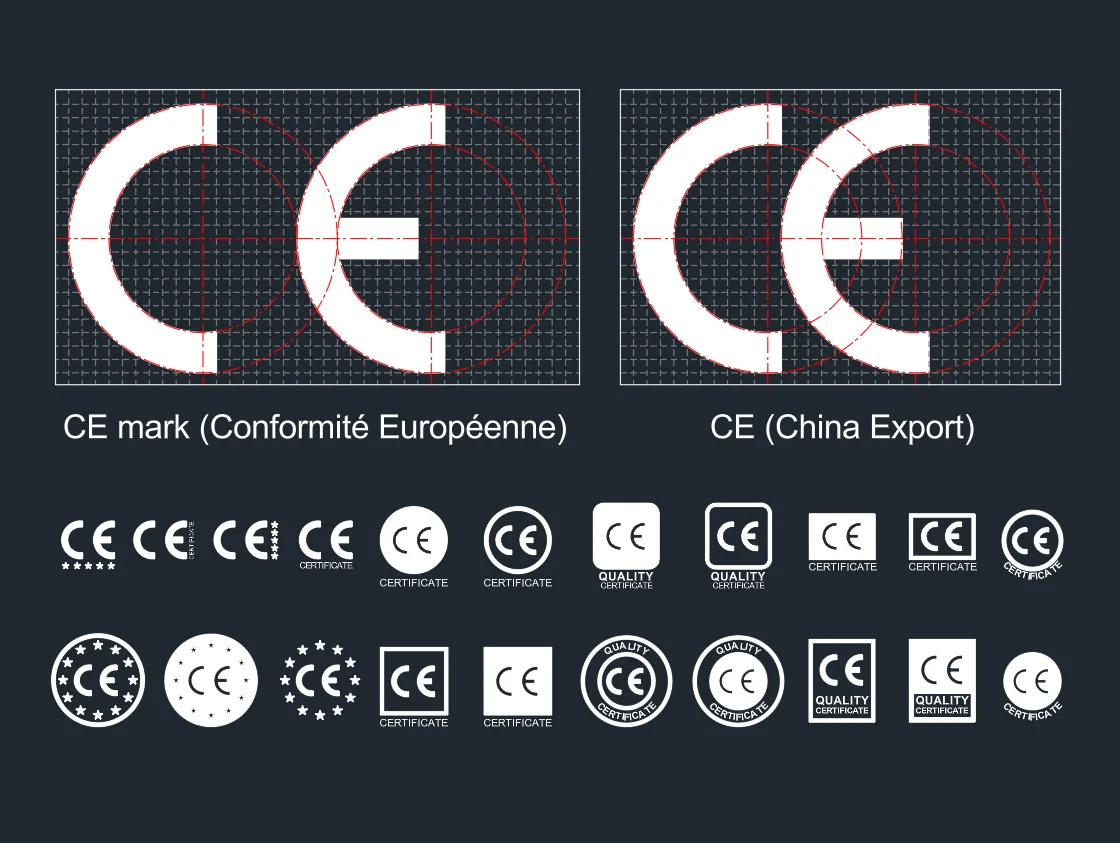
CE marking is not a certificate you purchase — it’s a self-declaration. The manufacturer or importer confirms, based on testing and documentation, that a product meets relevant EU health, safety, and environmental directives. Many first-time buyers misunderstand this point and waste money chasing a “CE certificate” that doesn’t actually exist as a single universal document.
Anna made this exact mistake. Her first supplier offered a PDF labeled “CE Certificate” for $50, no testing involved. It looked official. It was worthless. A real compliance package for her product category — a battery-powered LED lighting unit — needed EMC directive testing, not a downloadable form.
Why This Matters More in 2026
EU market surveillance has tightened noticeably. Automated compliance checks on major platforms now remove listings that cannot provide valid CE documentation within a 30-day window, and enforcement varies by member state but is trending stricter across the board. For a Polish importer selling into both local and cross-border EU markets, this isn’t a distant regulatory concern — it’s a live risk to inventory already sitting in a warehouse.
What Non-Compliance Actually Costs
The financial risk isn’t hypothetical. REACH violations alone can carry fines in the range of €10,000 to €50,000 or more per violation, depending on the member state and severity, separate from any product recall or listing removal costs. For CE marking specifically, non-compliant products face customs holds, forced relabeling, or complete market withdrawal — each of which costs far more in lost time and inventory than the original testing would have.
Anna’s near-miss with the fake CE logo illustrates the real stakes. Had that shipment cleared customs and later been flagged during a marketplace compliance sweep, she would have faced inventory seizure on products already paid for, plus the cost of retesting and relabeling a second batch — all while her listing sat removed from sale.
The First Compliance Mistake: Confusing “CE” with “China Export”
A Symbol That Looks the Same But Isn’t
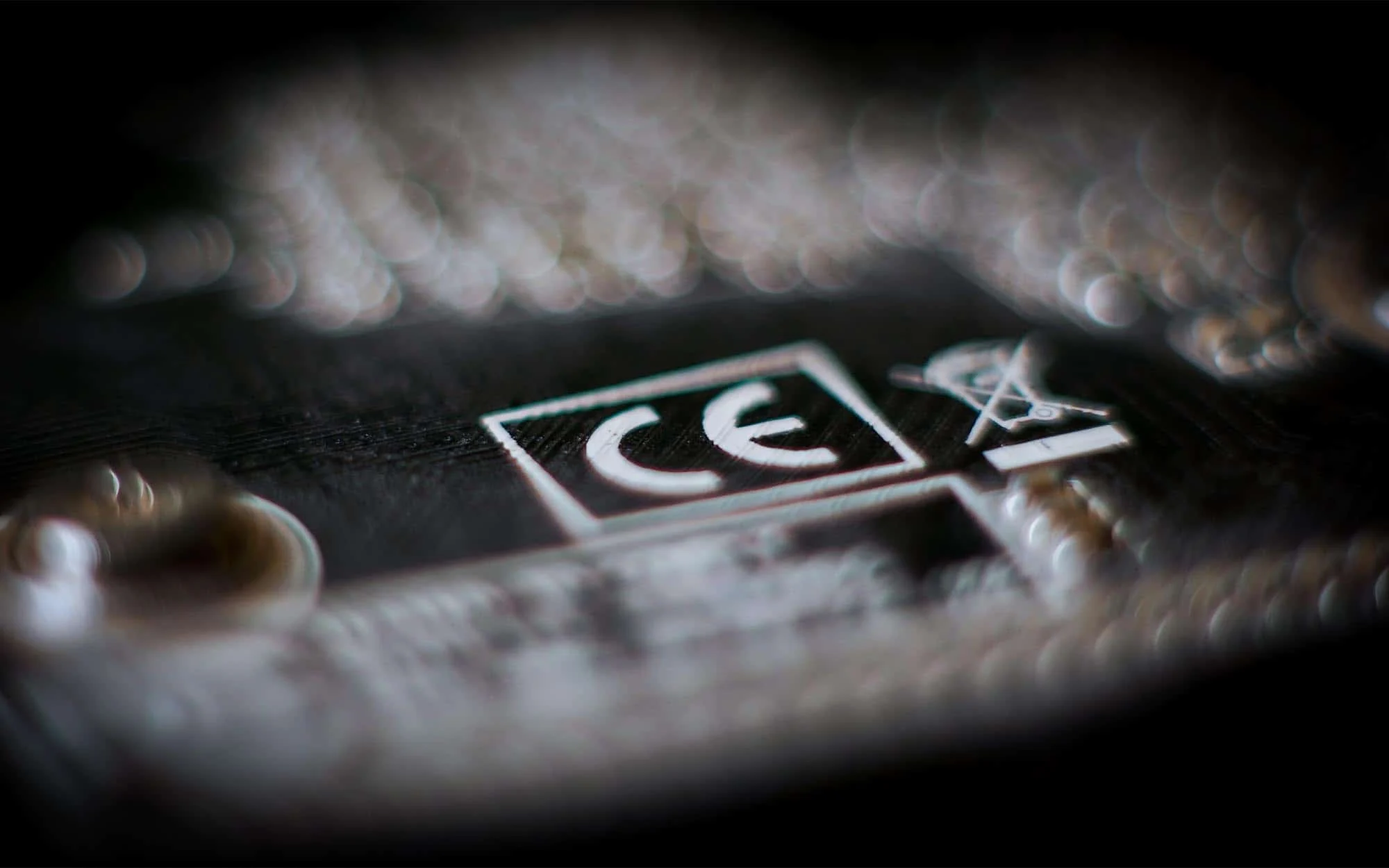
One detail nearly derailed Anna’s first order entirely. A supplier’s sample packaging carried a logo that looked like CE marking but was actually the “China Export” symbol — a visually similar but unofficial mark with no regulatory standing in the EU. The two logos differ only in letter spacing, and the confusion is common enough that EU compliance guides specifically warn about it.
Her sourcing agent caught the discrepancy during a routine document review before the bulk order was placed. Had it gone unnoticed, the shipment would have arrived at a Polish port carrying an unofficial mark on products that legally required genuine CE compliance — a mistake that typically triggers a hold at customs, not just a fine.
How to Verify a Supplier’s CE Claim
Before trusting any CE marking china claim from a supplier, buyers should request three specific documents:
- Declaration of Conformity (DoC), listing the exact directives and standards the product meets
- Test reports from an accredited lab, showing which specific tests were run
- Technical file summary, confirming the product’s risk assessment was actually completed
A supplier who can’t produce these on request, or who offers a generic certificate with no product-specific test data, is not CE compliant — regardless of what logo appears on the packaging. This is one of the first checks a china sourcing agent typically runs before a factory is approved for a compliance-sensitive order.
Why Document Verification Needs a Second Set of Eyes
First-time importers researching product safety certification china requirements often assume a supplier’s word is enough. In practice, document verification works best as an independent step, separate from the sales relationship. A factory’s sales team wants the order confirmed; a compliance reviewer wants the documentation confirmed — and those two priorities don’t always align on their own.
Anna’s experience shows why this distinction matters. The supplier offering the fake CE logo wasn’t necessarily acting in bad faith; smaller factories sometimes genuinely don’t understand which documentation is legally required and default to whatever their previous buyers accepted. A second, independent review catches this regardless of intent.
Understanding the Real Cost and Process
What CE Testing Actually Costs
Once Anna understood what genuine compliance required, the next question was cost. For her LED lighting product, testing needed to cover the EMC directive at minimum, with LVD testing added since the unit ran on both battery and AC adapter power. Pricing for this kind of product safety certification china work typically breaks down by category, and getting a clear quote upfront avoids the surprise costs that catch many first-time importers off guard mid-production.
| Product Type | Typical Testing Cost (China Labs) | Directives Covered |
|---|---|---|
| Battery-powered electronics | $500–$850 | EMC |
| AC-powered electronics (chargers, small appliances) | $700–$1,200 | EMC + LVD |
| Wireless electronics (Bluetooth, RF devices) | $800–$1,400 | EMC + Radio Equipment Directive |
| Machinery products | $1,200+ | Machinery Directive |
| General consultancy and documentation support | $240–$2,400 | Varies by scope |
Chinese labs typically charge less than EU-accredited labs for the same testing, though EU-accredited certificates tend to carry higher acceptance among EU customs authorities and marketplace compliance teams. For Anna’s LED product, testing at a Chinese lab ran just under $900 — well below what an equivalent EU lab quoted for the same scope.
How Long the Process Actually Takes
Testing and documentation for a moderately complex electronic product usually takes four to six weeks from sample submission to final report, assuming no failed tests requiring redesign. Anna budgeted six weeks and used that window productively: finalizing her import from China to Europe logistics and negotiating payment terms with her supplier in parallel, rather than waiting idle for compliance paperwork to clear.
Budgeting for Compliance as Part of Landed Cost
First-time importers often price a product based on unit cost and freight alone, then get surprised when compliance testing adds a meaningful line item. For Anna’s first order of 1,200 LED units, the roughly $900 CE testing cost worked out to less than a dollar per unit — small on a per-unit basis, but a real upfront cash outlay before any product had shipped.
Building this into landed cost calculations from the start avoids a common cash flow surprise: budgeting the full CE marking china testing fee, plus REACH testing, as a fixed cost against the first production run rather than treating it as an afterthought once samples are already in hand.
REACH Compliance: The Second Layer Anna Didn’t Expect
What REACH Covers That CE Doesn’t
CE marking addresses product safety directives. REACH compliance is a separate, broader chemical regulation covering any substance in a product — dyes, coatings, plastics, metal finishes — regardless of product category. Anna’s LED unit had a rubberized coating on its base, and that coating alone required its own SVHC (Substances of Very High Concern) screening.
The REACH threshold is specific: any substance on the SVHC candidate list must stay below 0.1% by weight in the finished product. The candidate list itself updates twice yearly, so a compliant product today can require re-testing if a component substance is added to a future update.
What REACH Testing Cost and Covered
For a single material or color set, REACH lab testing in China typically runs $220 to $450 for a standard textile or plastic component, with broader SVHC screening reaching $450 to $900 depending on how many materials and components need coverage. Anna’s rubberized base and painted metal housing required two separate material tests, bringing her total REACH testing cost to just under $700 — on top of the CE testing already completed.
The Compliance Timeline, Combined
Running CE and REACH testing in sequence rather than in parallel would have added weeks to Anna’s launch timeline. Her sourcing agent coordinated both test batches simultaneously with the same lab group, since several accredited China labs handle both scopes. This single scheduling decision cut roughly three weeks off what would otherwise have been a sequential six-to-eight-week process.
CE vs UKCA vs REACH: What Applies Where
A Side-by-Side Comparison
Buyers selling across multiple European markets often confuse which mark applies where. Since Anna planned to eventually expand into UK sales alongside Poland and Germany, understanding UKCA marking became part of the same compliance conversation.
| Mark/Regulation | Applies To | Governing Body | Required For |
|---|---|---|---|
| CE Marking | EU + EEA member states | European Commission | Product safety, electrical, mechanical directives |
| REACH | EU + EEA member states | ECHA | Chemical substances in any product category |
| UKCA Marking | Great Britain (England, Scotland, Wales) | UK government (post-Brexit) | Replaces CE for GB-only market access |
The key distinction buyers often miss: UKCA marking is not interchangeable with CE marking, even though the underlying safety standards are frequently similar. A product cleared for the EU market under CE marking still needs a separate UKCA assessment before it can legally be sold in Great Britain, though Northern Ireland currently follows a different, EU-aligned arrangement.
Why Anna Chose to Delay UK Expansion
Given the added cost and separate documentation UKCA marking required, Anna made a deliberate choice: launch in Poland and Germany first under CE and REACH compliance, then evaluate UKCA marking once EU sales volume justified the additional testing spend. This sequencing is common among European importers building a multi-market strategy on a limited compliance budget.
What a Sourcing Agent Adds to This Process
Coordinating Compliance Isn’t a One-Time Task
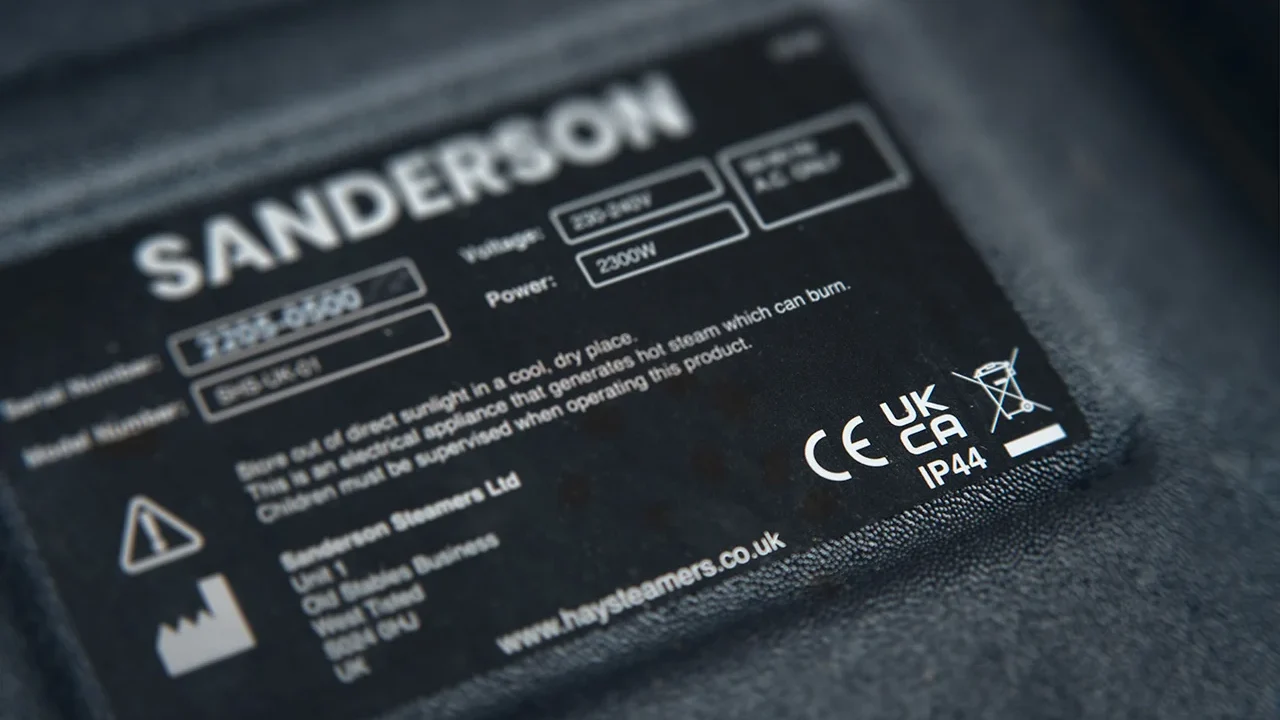
Compliance work doesn’t end once testing passes. Post-market surveillance obligations mean an importer must monitor the product after sale, investigate any complaints, and take corrective action if a compliance issue surfaces later. Managing this alongside supplier negotiations, quality inspection, and freight timing is a lot for a first-time importer to track without support.
This is where working with a china sourcing agent changed the shape of Anna’s timeline. Rather than managing lab coordination, document verification, and supplier communication as three separate relationships, she had one point of contact translating compliance requirements into concrete supplier instructions.
That single point of contact caught the fake “China Export” logo before payment went out, scheduled combined CE and REACH testing to save weeks on the timeline, and kept documentation organized for the eventual UKCA decision Anna would need to make later.
At UTSourcing, this kind of compliance coordination is part of what we handle for buyers entering the EU market from Latin America and Eastern Europe: verifying supplier documentation, scheduling accredited lab testing, and flagging compliance gaps before a shipment leaves China rather than after it arrives at customs.
Common Compliance Mistakes First-Time EU Importers Make
A handful of mistakes show up repeatedly among buyers new to sourcing electronics or consumer goods for the European market:
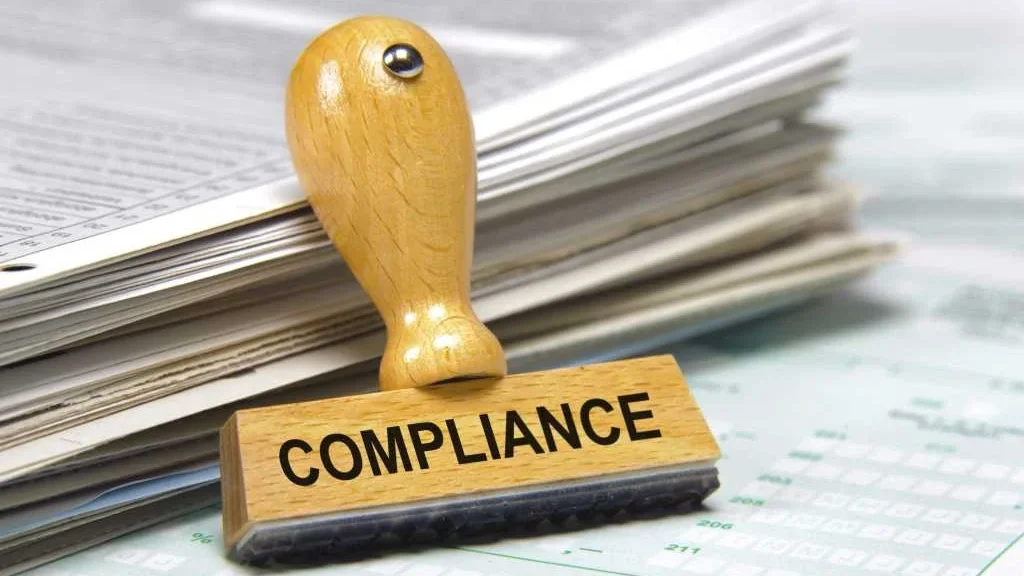
- Accepting a generic “CE certificate” with no product-specific testing. If a document doesn’t reference your exact product, model, and test standards, it isn’t valid documentation.
- Confusing the China Export logo with genuine CE marking. The visual similarity is intentional in some cases and accidental in others, but the legal difference is total.
- Testing for CE while ignoring REACH. These are separate regulations covering different risks, and passing one says nothing about the other.
- Assuming UKCA marking is automatic once a product has CE marking. The two systems are separate, even when the underlying safety standards overlap significantly.
- Treating compliance as a one-time task. Post-market surveillance obligations continue after the sale, and SVHC candidate list updates can affect products that were compliant when first tested.
None of these mistakes are unusual for a first-time importer. What separates a smooth EU market entry from a costly one is catching them before a shipment leaves the factory, not after it reaches a customs checkpoint.
Which Product Categories Need CE Marking China Testing Most
Not Every Product Carries the Same Compliance Burden
Anna’s LED lighting product sat in one of the higher-scrutiny categories, but compliance requirements vary significantly by product type. Understanding where your category falls helps set realistic expectations before you request quotes from a testing lab.
Electronics, lighting, and anything with a battery or power cord almost always require CE marking china testing under the EMC and LVD directives at minimum. Toys require both CE marking and EN71 safety standards, plus REACH testing for any coatings, fabrics, or small parts. Textiles and apparel typically skip CE marking entirely but face REACH compliance for dyes, prints, and any metal trim or hardware.
Furniture and general home goods often fall into a lighter compliance category unless they include electrical components, in which case the same EMC and LVD requirements apply as with standalone electronics. Cosmetics and anything applied to skin face an entirely separate EU regulatory framework beyond both CE marking and REACH, with its own testing and registration requirements.
Matching Compliance Scope to Product Risk
The practical takeaway for buyers new to import from China to Europe is straightforward: request a compliance scope assessment from your china sourcing agent or testing lab before finalizing a product, not after samples have already arrived. A ten-minute conversation about which directives apply to your specific product category can save weeks of rework later, especially if the answer turns out to require both CE marking and a full REACH SVHC screening rather than one or the other.
Frequently Asked Questions
Is CE marking a certificate I can buy from a supplier? No. CE marking is a self-declaration based on completed testing and a technical file, not a purchasable document. Any supplier offering a flat-fee “CE certificate” with no product-specific testing is not providing genuine compliance.
How much does CE marking China testing typically cost? Costs range from roughly $500 for simple battery-powered electronics to $1,400 or more for wireless devices, depending on which directives apply. Machinery and more complex products often exceed $1,200.
Do I need both CE marking and REACH compliance? In most cases, yes. CE marking covers product safety directives specific to your product category, while REACH compliance covers chemical substances across nearly all product types, regardless of category.
Is UKCA marking the same as CE marking? No. UKCA marking is a separate UK requirement introduced after Brexit and applies specifically to Great Britain. A CE-marked product still needs separate UKCA assessment for GB market access.
Can a sourcing agent handle CE and REACH testing on my behalf? Yes — a china sourcing agent can coordinate lab testing, verify supplier documentation, and catch compliance red flags like fake CE logos before products ship, which is particularly valuable for first-time importers unfamiliar with EU requirements.
How much should I budget for compliance on my first order? Plan for CE testing in the $500–$1,400 range depending on product type, plus REACH testing between $220 and $900 depending on materials tested. Treat both as fixed costs against your first production run, not optional add-ons.
Conclusion
Anna’s path from a fake CE logo to a fully compliant, dual-tested product took about ten weeks longer than she originally planned. Every week of that delay was cheaper than a customs hold or a delisted product after launch.
For any importer bringing products from China into the EU, the lesson isn’t that compliance is optional or negotiable. It’s that catching the gaps early, with the right verification support, is far less costly than discovering them after the shipment has already left the factory.
If you’re weighing your own CE marking china testing timeline against a launch date, treat compliance the same way Anna eventually did: as a fixed part of your production schedule, not a box to check after the product is already built.