
Introduction
Outdoor furniture, awnings, storage sheds, textiles, and even plastic accessories—all of these items face a common enemy: long-term sun exposure. Over time, harsh sunlight causes fading, cracking, and aging, turning once-attractive products into worn-out goods that disappoint customers. For buyers, UV resistance isn’t just a “nice-to-have” feature. It directly impacts product lifespan, after-sales costs, brand reputation, and market competitiveness.
Consider this: third-party testing data shows that outdoor building materials failing UV resistance tests can have their service life shortened by 40% to 60%. A single batch of low-UV-resistance outdoor furniture can lead to high return rates and negative reviews, eating into your profit margins and damaging your brand’s credibility.
This blog will systematically explain the definition, testing methods, application scope, and common UV protection technologies of UV resistant materials. Our goal is to help you build a more professional product selection standard and make smarter purchasing decisions.
What Does UV Resistant Really Mean?
When you see “UV Resistant” on a product label, what does it actually signify? Many buyers confuse it with other features like waterproofing, but the two are entirely different. To make informed choices, you first need to understand what UV resistance truly entails, how it works, and why it matters for outdoor products.
What is Ultraviolet (UV) Light?
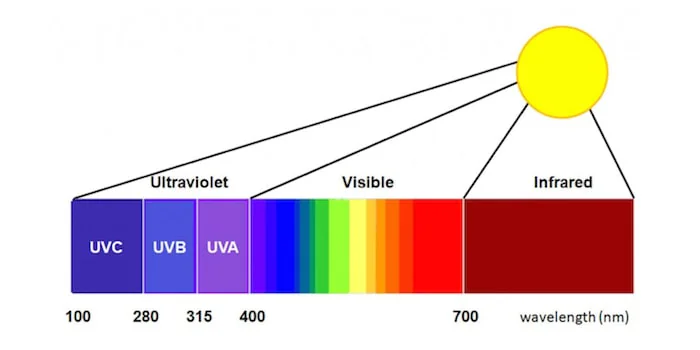
Ultraviolet light is a type of electromagnetic radiation from the sun, divided into three main bands based on wavelength: UVA, UVB, and UVC. Each band has different properties and effects on outdoor materials, and only two of them pose significant risks to your products.
UVC (100-280 nm) is the shortest and most harmful wavelength, but it is almost completely blocked by the Earth’s ozone layer. You don’t need to worry about UVC damaging outdoor products. The real threats are UVA and UVB.
UVA (315-400 nm) makes up about 95% of the UV radiation that reaches the Earth’s surface. It penetrates deeply into materials, breaking down molecular bonds and causing long-term damage like fading and aging. UVB (280-315 nm) is less abundant but more intense, responsible for surface damage such as cracking, brittleness, and coating peeling.
Both UVA and UVB trigger photo-oxidation reactions, which break down the molecular structure of materials like plastics, fabrics, and wood. This process weakens the material from the inside out, reducing its durability and lifespan. For example, unprotected plastic accessories exposed to UVA and UVB for 6 months can become brittle and prone to breaking.
What’s the Difference Between UV Resistant and Waterproof?
One of the most common mistakes buyers make is confusing UV resistance with waterproofing. While both are important for outdoor products, they serve completely different purposes, rely on different material structures, and follow different testing standards.
To clarify the differences, let’s break down their key characteristics in the table below:
| Feature | UV Resistant | Waterproof |
| Performance Goal | Prevent damage from UVA/UVB radiation (fading, aging, brittleness) | Prevent water penetration (leaks, mold, water damage) |
| Material Structure | Adds UV absorbers, light stabilizers, or protective coatings to block radiation | Uses dense fibers, sealed seams, or waterproof membranes to repel water |
| Testing Standards | ASTM G154, ISO 4892-3, GB/T 18830 (for textiles) | AATCC 22, GB/T 4744 (hydrostatic pressure), GB/T 4745 (water repellency) |
| Example | A UV-resistant awning fabric that retains its color after 2 years of sun exposure | A waterproof outdoor cushion that stays dry during rainstorms |
A product can be UV resistant but not waterproof, and vice versa. For example, a cotton canvas awning treated with UV inhibitors will resist fading but still absorb water. A plastic storage box may be waterproof but crack quickly in direct sunlight if it lacks UV protection. Always check for both features if your products will be exposed to both sun and rain.
Why Must Outdoor Products Be UV Resistant?
UV resistance isn’t an optional feature for outdoor products—it’s a necessity. Without it, your products will degrade quickly, leading to customer complaints and lost revenue. Let’s look at real-world examples of how UV radiation damages common outdoor products:
Outdoor furniture: A wooden patio set without UV protection will fade from rich brown to gray in just 12 months. The wood will dry out, crack, and splinter, making it unsafe to use. Even metal furniture isn’t safe—unprotected metal surfaces will rust and peel after prolonged sun exposure, especially in humid areas.
Awnings and textiles: Outdoor awning fabrics without UV resistance can lose 50% of their color in 6 months of direct sunlight. This not only looks unappealing but also weakens the fabric, increasing the risk of tearing. For example, a restaurant’s outdoor seating awning that fades quickly will make the space look unprofessional and drive away customers.
Plastic accessories: Common outdoor plastics like unmodified PVC or ABS will become brittle and crack when exposed to UV radiation. A plastic plant pot without UV protection may break into pieces after one summer, while a UV-resistant HDPE pot can last many years outdoors.
The bottom line: UV resistance directly extends product lifespan. A high-quality UV-resistant outdoor product can last 3-5 times longer than a non-resistant one, reducing replacement costs for both you and your customers.
The Long-Term Impact of UV Resistance on Procurement Costs
Many buyers choose low-cost, low-UV-resistance products to save money upfront. But this decision often backfires, leading to higher long-term costs. Let’s break down the hidden costs of skipping UV resistance:
After-sales costs: Low-UV-resistance products have higher failure rates, which means more warranty claims, repairs, and replacements. For example, a furniture buyer who purchases non-UV-resistant outdoor chairs may face significantly higher return rates due to fading and cracking, compared to much lower rates for UV-resistant chairs.
Brand reputation damage: Negative reviews from customers who purchased worn-out products can harm your brand’s credibility. A single bad review about “fast-fading furniture” can deter dozens of potential buyers, especially in the age of online shopping where reviews are easily accessible.
Lost repeat business: Customers who are disappointed with a product’s durability are unlikely to buy from you again. A study of outdoor product buyers found that 78% of customers will switch brands if a product fails to last more than 1 year due to UV damage.
In contrast, investing in UV-resistant materials may cost 10-15% more upfront, but it reduces after-sales costs by 50% or more and builds customer loyalty. For example, a hotel that buys UV-resistant outdoor furniture will spend less on replacements and maintain a more attractive outdoor space, boosting customer satisfaction.
How UV Resistance Is Tested in Manufacturing
To ensure a product is truly UV resistant, manufacturers use specialized testing methods to simulate long-term sun exposure. As a buyer, understanding these tests will help you verify supplier claims and make informed decisions. Let’s explore the most common testing methods, standards, and evaluation criteria.
How Do Labs Simulate Sun Exposure?
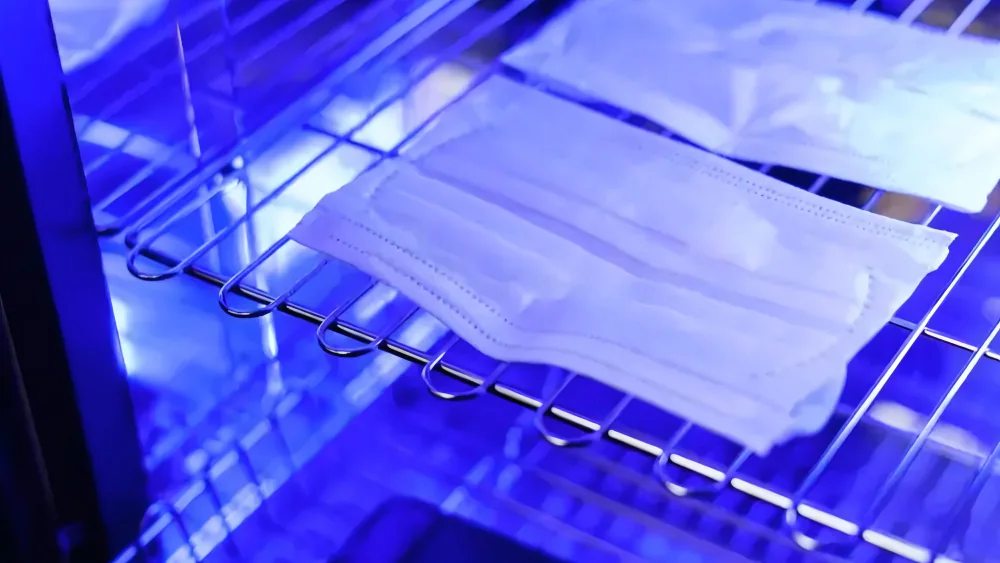
Lab testing is the most reliable way to measure UV resistance. A professional UV exposure test replicates the effects of years of outdoor sunlight in just weeks or months, helping buyers verify supplier claims. The two most common methods are QUV testing and xenon lamp testing, each with its own advantages and use cases..
QUV testing uses fluorescent UV lamps to simulate UVA and UVB radiation. It’s designed to accelerate the aging process by focusing on the most damaging UV wavelengths. A typical QUV test runs for 1000 hours, which is equivalent to about 1 year of outdoor exposure in most regions (though actual correlation varies by climate). This method is cost-effective and widely used for plastics, fabrics, and coatings.
Xenon lamp testing uses a xenon arc lamp to simulate the full spectrum of sunlight, including UVA, UVB, visible light, and infrared radiation. It’s more accurate than QUV testing because it mimics real-world sunlight more closely. Xenon lamp tests are often used for high-end products like commercial awnings and luxury outdoor furniture.
Both tests also simulate other environmental factors like temperature and humidity to replicate real outdoor conditions. For example, some tests include cycles of light and condensation to mimic morning dew, which can accelerate material aging when combined with UV radiation. The choice of test depends on the product type and its intended use.
What Are the Common UV Testing Standards?
When reviewing supplier test reports, you’ll often see references to international standards. These standards ensure consistency and reliability in testing, so it’s important to understand what they mean. The most common standards for UV resistance testing are ASTM and ISO standards:
- ASTM Standards: Developed by the American Society for Testing and Materials, these are widely used in North America and many global markets. ASTM G154 is the primary standard for UV resistance testing of non-metallic materials, specifying test equipment, conditions, and evaluation methods. ASTM D4329 focuses specifically on plastic materials, outlining UV radiation intensity, test temperature, and duration.
- ISO Standards: Developed by the International Organization for Standardization, these are global standards used in most countries. ISO 4892-3 applies to plastics, rubber, and coatings, detailing test procedures and result evaluation. ISO 11507 is used for evaluating the UV resistance of paints and varnishes.
- Other Standards: For textiles, GB/T 18830 (Chinese standard) and AATCC 183 (American Association of Textile Chemists and Colorists) are commonly used to measure UV protection factor (UPF). UPF measures how much UV radiation is blocked by the fabric—UPF > 40 means the fabric blocks 97.5% or more of UV radiation.
When reviewing a test report, make sure it references a recognized standard. A report without a standard is unreliable and may be fabricated to mislead buyers.
How Is Color Fading Evaluated?
Color fading is one of the most visible signs of UV damage, so it’s a key part of UV resistance testing. There are three main methods used to evaluate fading:
Color fastness rating: This is a 1-5 scale used to measure how well a material retains its color after UV exposure. A rating of 5 means no visible fading, while a rating of 1 means severe fading. For outdoor products, a color fastness rating of 4 or higher is recommended to ensure long-term color retention.
Gray card evaluation: This method uses a set of gray cards to compare the original color of the material with its color after UV exposure. The gray cards are divided into 5 or 9 grades, with each grade representing a different level of color change. To use this method, place the original and tested samples next to the gray cards under standard lighting and match the color difference to the closest grade.
Surface aging observation: In addition to fading, testers also check for other surface changes like cracking, peeling, and chalking (a white powdery residue on the surface). These changes indicate that the material’s structure has been damaged by UV radiation, even if the color hasn’t faded significantly.
Advanced labs use spectrophotometers to measure color change quantitatively, expressed as ΔE (delta E). A ΔE value of less than 2 means no visible color change, while a value greater than 5 means significant fading that is easily noticeable to the human eye.
What Test Documents Should Buyers Ask Suppliers For?
To verify a supplier’s UV resistance claims, you should ask for specific test documents and know how to check their authenticity. Here are the key documents to request:
- UV Resistance Test Report: This is the most important document. It should include the test standard (e.g., ASTM G154), test duration, UV intensity, temperature, and results (color fastness rating, ΔE value, surface condition). The report should be issued by a third-party lab with CNAS or ISO 17025 certification to ensure credibility.
- Material Certification: Ask for certification that the materials used (e.g., UV-resistant fabric, modified plastic) meet relevant standards. For example, a fabric supplier should provide a UPF certification for UV-resistant textiles, while a plastic supplier should provide certification for UV-stabilized materials.
- Weather Resistance Rating: This rating combines UV resistance with other environmental factors like rain, wind, and temperature changes. A high weather resistance rating (e.g., Class A) indicates the product can withstand harsh outdoor conditions for a long time.
To check the authenticity of these documents, verify the lab’s certification number on its official website. You can also ask the supplier for raw data from the test, such as color change charts or surface photos before and after testing. If a supplier refuses to provide these documents, it’s a red flag—their products may not be truly UV resistant.
Different UV Resistant Materials and Their Performance
Not all UV resistant materials are the same. The performance of a material depends on its composition, manufacturing process, and protective treatments. Let’s break down the most common UV resistant materials used in outdoor products, their performance, and best use cases.
Which Plastics Are More UV Resistant?
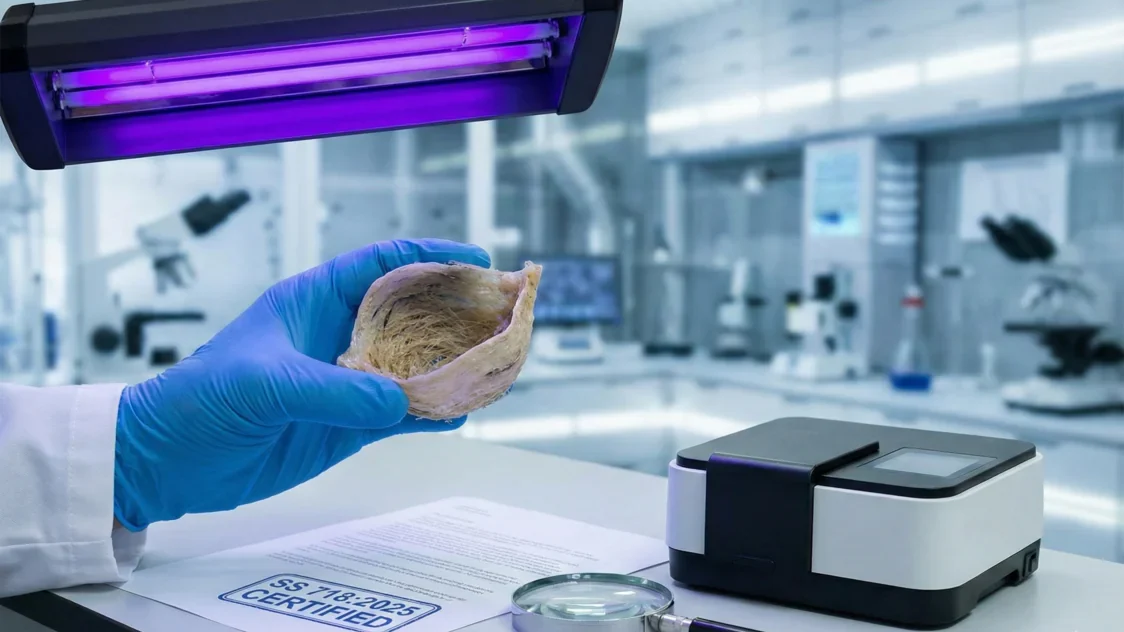
When sourcing outdoor products, choosing the right UV resistant plastic is critical to long-term durability. Plastics are widely used in outdoor products, but their UV resistance varies greatly. Here’s a comparison of the most common outdoor plastics and their UV performance:
| Plastic Type | UV Resistance Performance | Best Use Cases | Key Notes |
| HDPE (High-Density Polyethylene) | Excellent—resists fading and brittleness for 5-10 years outdoors. Modified HDPE with UV stabilizers retains 80% of its tensile strength after 500 hours of UV exposure. | Outdoor furniture, storage sheds, plant pots, plastic accessories | Chemical-resistant and easy to clean; ideal for humid or coastal areas |
| PP (Polypropylene) | Good—resists UV radiation when modified with stabilizers. Unmodified PP fades and becomes brittle in 1-2 years. | Outdoor chairs, tables, plastic covers | Lightweight and durable; often used in stackable furniture |
| PC (Polycarbonate) | Very good—blocks 99% of UV radiation. Retains clarity and strength for 10+ years outdoors. | Awning covers, greenhouse panels, outdoor lighting fixtures | Impact-resistant but can scratch easily; requires protective coating |
| PVC (Polyvinyl Chloride) | Poor—unmodified PVC fades and becomes brittle in 6-12 months. Modified PVC with UV stabilizers has moderate resistance. | Outdoor pipes, vinyl fencing (modified only) | Avoid unmodified PVC for long-term outdoor use |
When purchasing plastic outdoor products, always ask if the plastic is modified with UV stabilizers or absorbers. This simple question can save you from buying low-quality products that degrade quickly.
Where Does the UV Resistance of Outdoor Fabrics Come From?
Outdoor fabrics rely on two main factors for UV resistance: the base material and the protective treatments (coatings or dyes). Let’s explore the most common outdoor fabrics and their UV protection capabilities:
Polyester: A popular choice for outdoor fabrics, polyester has inherent UV resistance but is often treated with additional UV coatings to enhance performance. Treated polyester can block 98% of UV radiation and retain its color for 3-5 years outdoors. It’s also water-resistant and easy to clean, making it ideal for awnings and outdoor cushions.
Olefin (Polypropylene): Olefin is highly UV resistant and fade-resistant, even without additional treatments. It blocks 95%+ of UV radiation and is resistant to mold and mildew. Olefin is lightweight and durable, making it perfect for outdoor rugs, umbrellas, and patio furniture cushions.
Acrylic Fabric: Acrylic is one of the most UV-resistant fabrics available. It’s solution-dyed, meaning the color is added to the fiber before it’s woven, so it won’t fade even after years of sun exposure. Acrylic fabric blocks 98-99% of UV radiation and is commonly used for high-end awnings, outdoor curtains, and patio furniture upholstery.
Protective treatments also play a key role. UV coatings (like acrylic or fluorocarbon coatings) create a barrier on the fabric surface to block UV radiation. Solution-dyeing (instead of piece-dyeing) ensures the color penetrates the fiber, reducing fading. For textiles, look for a UPF rating of 40+ to ensure adequate UV protection.
How to Achieve UV and Weather Resistance for Metal Products?
Metal outdoor products (like aluminum, steel, and iron) are prone to rust and corrosion when exposed to sun and rain, but proper treatments can make them UV and weather resistant. The most common treatments are:
Powder Coating: This is the most effective treatment for metal outdoor products. Powder coating involves applying a dry powder to the metal surface and curing it at high temperatures to form a hard, protective layer. The powder contains UV stabilizers to resist fading and aging. A high-quality powder coating can last 5-10 years outdoors, even in harsh climates. For example, powder-coated steel outdoor furniture retains its finish and resists rust for years.
Electrophoresis: This process uses an electric current to deposit a protective coating on the metal surface. It creates a thin, uniform coating that is highly resistant to UV radiation, rust, and corrosion. Electrophoresis is often used for aluminum outdoor products, like patio chairs and table frames.
Rust-Resistant Layers: For steel products, a zinc coating (galvanization) is often used to prevent rust. Zinc acts as a barrier between the steel and the environment, and it also has some UV resistance. Galvanized steel is commonly used for outdoor storage sheds and fencing.
When purchasing metal outdoor products, ask about the type of protective treatment used. Powder coating is the best choice for long-term UV and weather resistance, followed by electrophoresis. Avoid uncoated metal products, as they will rust and degrade quickly outdoors.
Why Do Woods Also Need UV Protection?
Many buyers assume wood is “naturally outdoor-friendly,” but unprotected wood is highly susceptible to UV damage. Here’s why UV protection is essential for outdoor wood products:
Fading and graying: UV radiation breaks down the lignin in wood, which is responsible for its color and structure. Unprotected wood will fade from its natural color to a dull gray in just 6-12 months. For example, a teak patio set without UV protection will lose its rich golden color and turn gray within a year.
Cracking and warping: UV radiation dries out wood, causing it to shrink and crack. This not only looks unappealing but also weakens the wood, making it prone to breakage. In extreme cases, unprotected wood can warp beyond repair, rendering the product useless.
To protect outdoor wood, use UV-resistant treatments like outdoor wood paint, stain, or UV coating. Outdoor wood paint contains UV absorbers and pigments to block UV radiation and retain color. Stain penetrates the wood to protect it from within, while UV coatings create a clear barrier on the surface.
High-quality outdoor wood treatments, like those using a combination of UV absorbers and hindered amine light stabilizers (HALS), can extend the wood’s lifespan by 3-5 times. For example, a wood patio set treated with a UV-resistant stain can last 10+ years outdoors, compared to 2-3 years for an unprotected set.
Where UV Resistant Products Are Most Needed
UV resistance is important for all outdoor products, but some applications require higher levels of protection than others. Understanding where UV resistant products are most needed will help you prioritize features and make better purchasing decisions.
Patio and Garden Products
Patio and garden products are exposed to direct sunlight for 6-8 hours a day, making UV resistance a top priority. Here are the key products that need high UV resistance:
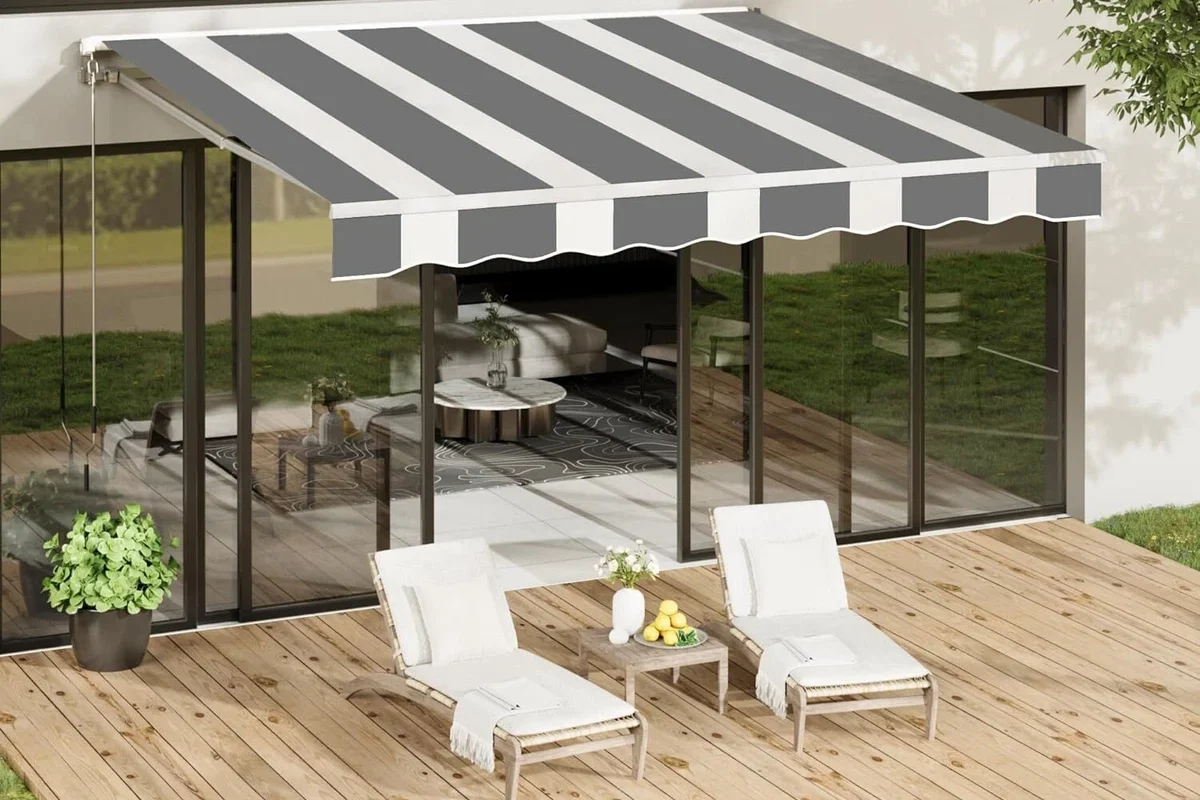
Awnings and gazebos: These products are designed to provide shade, so they are directly exposed to sunlight. A UV-resistant awning fabric will retain its color and strength, while a non-resistant fabric will fade and tear quickly. Look for fabrics with a UPF rating of 40+ and a color fastness rating of 4+.
Outdoor furniture: Patio sofas, chairs, and tables are used year-round and exposed to sun and rain. UV-resistant materials like HDPE plastic, powder-coated metal, and acrylic fabric are ideal for these products. For wooden furniture, ensure it’s treated with a UV-resistant stain or paint.
Garden accessories: Plastic plant pots, garden tools, and decorative items need UV resistance to avoid fading and brittleness. HDPE and PP pots are the best choice, as they can withstand years of sun exposure without degrading.
The goal for patio and garden products is to provide long-term durability with minimal maintenance. Customers don’t want to replace their outdoor furniture every year, so UV resistance is a key selling point.
UV Resistant Requirements in Commercial Settings
Commercial outdoor products (used in hotels, restaurants, cafes, and pool areas) have higher UV resistance requirements than residential products. Here’s why:
Higher usage frequency: Commercial products are used more often than residential ones, so they need to withstand more wear and tear. A hotel’s outdoor seating set may be used by hundreds of guests every week, so it must be durable and long-lasting.
Aesthetic appeal: Commercial spaces rely on attractive outdoor areas to attract customers. Faded or worn-out products will make the space look unprofessional and drive away business. For example, a restaurant’s outdoor patio with faded awnings and furniture will appear neglected.
Longer service life: Commercial buyers want products that last 5+ years to avoid frequent replacements. This means investing in high-UV-resistance materials like powder-coated metal, acrylic fabric, and UV-stabilized plastic.
Pool areas have additional requirements: The combination of sun, water, and chlorine can accelerate material degradation. UV-resistant fabrics and plastics that are also chlorine-resistant are ideal for poolside furniture and umbrellas.
Special Challenges in High-Temperature and High-Sunlight Areas
Products used in high-temperature and high-sunlight regions face more severe UV damage. Let’s look at the specific challenges in these areas and the materials that work best:
US South: States like Florida, Texas, and Arizona have high UV indexes (often 8-10+) and hot temperatures. Products here need to resist both UV radiation and heat. Materials like HDPE plastic, powder-coated aluminum, and acrylic fabric are ideal, as they can withstand high temperatures without warping or fading.
Middle East: The Middle East has some of the highest UV radiation levels in the world, with temperatures often exceeding 40°C. Products here need extreme UV resistance and heat resistance. PC plastic, fluorocarbon-coated fabrics, and powder-coated steel are recommended, as they can withstand prolonged exposure to intense sunlight.
Australia: Australia has high UV levels due to its location near the ozone hole. The UV index in cities like Sydney and Melbourne often reaches 10+. Products here need to meet strict UV resistance standards, so look for materials with ISO 4892-3 certification and a UPF rating of 50+.
In these regions, it’s also important to choose materials that are heat-resistant, as high temperatures can accelerate UV damage. Avoid materials like unmodified PVC and low-quality wood, which will degrade quickly in extreme heat and sunlight.
Why “Year-Round Outdoor Use” Is Becoming More Important
In recent years, consumers have been demanding outdoor products that can be used year-round, not just in the summer. This trend is driven by several factors, including the growing popularity of outdoor living spaces and the desire for low-maintenance products.
Low maintenance: Consumers don’t want to store their outdoor furniture every winter or spend hours maintaining it. UV-resistant products are low-maintenance, as they don’t fade or degrade quickly, even in harsh winter conditions.
Extended outdoor season: With milder winters in many regions, people are using their outdoor spaces for longer periods. A UV-resistant outdoor sofa can be used from spring to fall (and even winter in some areas) without losing its appeal.
Market growth: The global outdoor products market is growing rapidly, with a projected market size of 407.56 billion USD by 2030. As more people invest in outdoor living spaces, they want products that will last for years, making UV resistance a key requirement.
For buyers, this means prioritizing products that are not only UV resistant but also weather resistant (resistant to rain, snow, and cold). Products that can withstand year-round use will be more attractive to consumers and have a higher market value.
How Buyers Can Evaluate UV Resistant Products More Professionally
With so many products claiming to be “UV Resistant,” it can be difficult to separate fact from fiction. Here are some tips to help you evaluate UV resistant products more professionally and avoid common pitfalls.
Don’t Just Look at the “UV Resistant” Label
Many suppliers use “UV Resistant” as a marketing buzzword, even if their products have minimal UV protection. A label alone doesn’t mean anything—you need to verify the claim with test data.
For example, a plastic chair labeled “UV Resistant” may only have a thin UV coating that wears off after a few months. Without test data, you have no way of knowing how long the UV protection will last.
Fake labels are also common in the outdoor product market. Some suppliers simply print “UV Resistant” on their products without any testing or treatment, relying on buyers’ lack of knowledge. To avoid this, always ask for test reports and certification, as we discussed earlier.
Another red flag is vague claims like “UV Protected for Life” or “100% UV Resistant.” No material is 100% UV resistant, and all UV protection will degrade over time. Look for specific claims with test data, like “UV Resistant for 5 Years (ASTM G154 Tested).”
How to Compare the Weather Resistance of Different Suppliers
When comparing suppliers, don’t just ask about UV resistance—compare key metrics that indicate overall weather resistance. Here are the most important factors to consider:
- Test Duration: A product tested for 1000 hours of UV exposure is more durable than one tested for 500 hours. Look for suppliers whose products have been tested for at least 1000 hours (equivalent to 1 year of outdoor use).
- Color Fastness Rating: A rating of 4+ is ideal for outdoor products. Suppliers with higher color fastness ratings offer more durable products.
- Material Thickness: Thicker materials (e.g., 10mm HDPE plastic, 12oz acrylic fabric) are more resistant to UV damage than thinner materials. Thicker materials have more UV stabilizers and are less likely to crack or tear.
- Surface Treatment: Suppliers who use high-quality UV coatings, powder coatings, or solution-dyed fabrics offer better UV resistance. Ask about the type of treatment used and how it’s applied.
- Warranty: A long warranty (3+ years) indicates the supplier is confident in their product’s UV resistance. Avoid suppliers with short warranties (less than 1 year) or no warranty at all.
By comparing these metrics, you can identify which suppliers offer the most durable UV resistant products.
Is a Lower Price Always More Cost-Effective?
It’s tempting to choose the cheapest supplier to save money upfront, but low-cost products often have low UV resistance, leading to higher long-term costs. Let’s compare the total cost of low-cost vs. high-quality UV resistant products:
Low-cost product: A plastic outdoor chair that costs $50 but has no UV protection. It fades and cracks after 1 year, so you need to replace it every year. Over 5 years, the total cost is $250.
High-quality product: A UV-resistant HDPE chair that costs $80. It lasts 5 years without fading or cracking. Over 5 years, the total cost is $80, plus minimal maintenance costs.
The high-quality product is more cost-effective in the long run, as it reduces replacement costs and after-sales issues. It also helps you build a reputation for selling durable products, which attracts more customers.
Low-cost products also have higher risk of customer complaints and returns. A study of outdoor product buyers found that 65% of returns are due to premature fading or aging, which is directly related to low UV resistance.
Future Trends in Outdoor Materials
The outdoor materials industry is constantly evolving, with new technologies and materials emerging to improve UV resistance and sustainability. Here are the key trends to watch for:
Eco-friendly weather-resistant materials: Consumers are becoming more environmentally conscious, so suppliers are developing UV resistant materials made from recycled or sustainable materials. For example, recycled HDPE plastic made from plastic bottles is now used to make outdoor furniture, offering the same UV resistance as virgin HDPE.
Recyclable UV resistant fabrics: New fabrics made from recyclable polyester and olefin are being developed, allowing consumers to recycle their outdoor fabrics at the end of their lifespan. These fabrics still offer high UV resistance and durability.
New coating technologies: Nanocoatings are being used to enhance UV resistance. These thin, transparent coatings block UV radiation while improving the material’s durability and water resistance. Nanocoatings are especially useful for wood and metal products.
Smart materials: Some suppliers are developing smart outdoor materials that can adapt to changing UV levels. For example, fabrics that darken when UV radiation is high to provide extra protection, and lighten when UV levels are low to improve comfort.
These trends are driven by consumer demand for sustainable, low-maintenance products. By staying up-to-date with these trends, you can offer products that are not only UV resistant but also environmentally friendly, giving you a competitive edge in the market.
Conclusion
As consumers become more focused on the durability of outdoor products, UV resistant materials have become a core indicator in purchasing decisions. Understanding the principles of UV protection, testing methods, and material differences is not just about avoiding costly mistakes—it’s about building a competitive advantage.
UV resistance directly impacts product lifespan, after-sales costs, and brand reputation. By prioritizing UV resistant materials, you can reduce returns, build customer loyalty, and offer products that stand out in a crowded market. Remember: a higher upfront cost for UV resistant materials will save you money in the long run and help you grow your business.
Whether you’re purchasing outdoor furniture, awnings, textiles, or plastic accessories, always verify UV resistance claims with test reports and certification. Compare suppliers based on key metrics like test duration, color fastness, and material quality. And don’t forget to stay up-to-date with the latest trends in outdoor materials to offer your customers the best possible products.
With the knowledge from this guide, you can make more professional purchasing decisions and build a reputation as a supplier of high-quality, durable quality outdoor products. UV resistance isn’t just a feature—it’s an investment in your business’s long-term success.