

Five product quality issues need attention before a bulk sourcing order: differences from the approved sample, functional defects, missing compliance evidence, inadequate packaging, and unapproved production changes. For each issue, agree what the requirement is, how it will be checked, and who can authorize shipment after a failure.
An attractive sample can leave important purchasing questions unanswered. Which material was used? Does the lid fit after repeated use? Will the label still identify the batch once goods reach your warehouse? This guide turns those questions into records you can use with a supplier, inspector, or sourcing agent.
Key takeaways
- Put measurable requirements beside the approved sample.
- Match inspection evidence to the product and production batch.
- Agree containment, rework, and release responsibilities before a failure.
- Acceptance sampling supports a lot decision; it cannot prove every unit is defect-free, as NIST explains.
What counts as a product quality issue?
For purchasing purposes, a quality issue is a difference between the agreed product requirements and the goods or evidence offered for release. Some differences are visible defects. Others concern an untested function, an unmatched report, or a production change nobody approved. A late shipment alone is a scheduling problem, although a rushed recovery can introduce quality risks.
The categories below are a working checklist for an order. One problem may cross several rows: a substituted resin can affect appearance, mechanical performance, and the relevance of earlier test reports.
| Issue | Requirement to agree | Evidence to retain | Decision when it fails |
|---|---|---|---|
| Sample-to-bulk difference | Material, dimensions, finish, reference revision | Measurements and sample comparison | Establish affected quantities and disposition |
| Workmanship or function | Defect definitions and test method | Results tied to inspected units | Sort, rework, reject, or seek an agreed concession |
| Missing compliance evidence | Applicable product and destination requirements | Matching reports, labels, and required records | Hold release while the gap is assessed |
| Packaging or labeling failure | Packed configuration and identification | Pack checks and relevant test results | Revise packing and recheck shipment data |
| Unapproved production change | Approved inputs, processes, and sites | Change request and written approval | Review whether new evidence is needed |
Why can bulk goods differ from the approved sample?
The approved sample controls only the features it actually represents. Material, tooling, dimensions, color, and assembly requirements still need a written specification. Give the sample an identifier and revision date, then use the same reference in the purchase order, inspection instructions, and any later change approval.
Consider a hypothetical storage-box order. The production boxes match the sample’s color, but their walls are thinner and the lid fit varies. A photograph may show the color match without answering either problem. To resolve that disagreement, the buyer needs dimensional criteria, a functional check, and material evidence suited to the use.
Before production, ask the supplier to identify requirements it cannot meet. Resolve those exceptions in writing instead of allowing a replacement sample to become the new standard unnoticed. If you accept a change, record whether it applies to future production, goods already made, or both.
Keep a simple reference register:
| Record | What to enter |
|---|---|
| Product and sample | SKU, sample identifier, approval date, retained location |
| Written requirements | Drawing, material specification, finish, and packaging revisions |
| Inspection basis | Measurement method, functional procedure, and acceptance criteria |
| Approved exception | Exact difference, affected quantity, approver, and date |
Send the current version to everyone checking the order. An inspector working from last month’s drawing cannot resolve a disagreement about this month’s tolerance.

How do you classify and check functional defects?
Choose checks that can detect the failure you care about. Appearance checks, dimensional measurements, functional trials, and specialist safety tests answer different questions. Define defect severity for the product’s intended use; a sharp edge on a decorative item and a sharp edge where a child grips a toy require different consideration.
Give the inspector a procedure and a place to record the result. For a hinge, “opens smoothly” may be too vague. A procedure can identify the assembly condition, operation to perform, acceptance criteria, and evidence to keep. Instruments and viewing conditions may also matter when buyers and suppliers disagree about a result.
NIST describes acceptance sampling as a way to decide whether to accept or reject a lot, rather than estimate its exact quality. A sample inspection therefore cannot establish that every unit is conforming. Ask the provider to identify the lot, sampling standard, inspection level, sample size, and acceptance or rejection criteria it proposes.
Don’t adopt a familiar AQL number without checking that the plan suits the order. Safety risks may need design review, process controls, or laboratory work beyond an ordinary visual inspection. Specify those tasks separately so a routine report is not mistaken for evidence it cannot provide.
Which compliance and packaging evidence is missing?
Match evidence to the actual product, configuration, destination, and intended use. A report for another model or material may not support your order. A factory audit addresses the facility and its processes within the audit scope; it does not establish every requirement applicable to a particular product.
For the EU, CE marking applies only to products covered by rules requiring it. It is not a general quality award. Establish the applicable requirements before production, and use the destination compliance checklist to organize questions for the appropriate specialist.
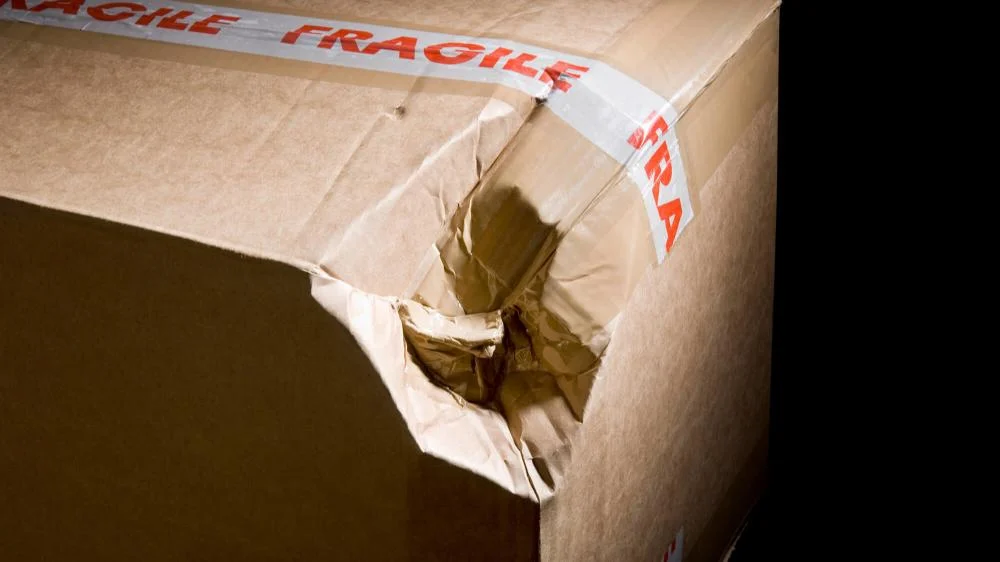
Write the packing requirements alongside the product specification. Record inner protection, carton configuration, count, closures, labels, and any pallet requirements. Select performance checks for the product and distribution conditions. “Five-ply carton” alone leaves the packed design and its required performance unclear.
| Evidence | Match it against | Gap to resolve |
|---|---|---|
| Product report | Manufacturer, model, material, and tested configuration | Different model or undocumented substitution |
| Printed label | Approved artwork, product, and destination requirements | Wrong language, identity, or revision |
| Packed sample | Actual product, inner protection, and carton arrangement | Test used a different configuration |
| Packing record | SKU, count, weight, dimensions, and carton marks | Documents disagree with packed goods |
If repacking changes the dimensions or carton count, update the packing list too. Fixing the protective packaging can otherwise leave a new documentation problem.
How do you control production changes?
Require approval for changes that could affect the agreed product or its supporting evidence. Relevant changes may include a material grade, purchased component, coating process, subcontractor, or production site. Subcontracting itself is not a quality failure; an undisclosed change creates uncertainty about the basis on which the order was approved.
Ask who performs each important operation and where it happens. For a product with a coating, the assembly factory’s address does not identify the coating facility. Decide which locations and processes need approval, and how the supplier will notify you of a proposed change.
In the change request, put the old requirement beside the proposed replacement. Add the reason, affected batches, and supporting evidence. It should also identify whether new samples, testing, or inspection are needed. The buyer’s approval must say what is accepted; a message saying “looks fine” may leave the affected quantity unresolved.
When an unexpected change appears, establish its scope before releasing goods. Compare work in progress, finished stock, and cartons already packed. The visible batch may be only part of the order affected by the same input or process.
What should happen after an inspection fails?
A failed inspection needs a documented disposition, not just a new set of supplier photographs. First check the report identity and inspection basis. Then identify the affected goods, agree immediate containment, and decide what evidence will support sorting, rework, rejection, or another permitted outcome under the order terms.
Here is a hypothetical example. An inspector reports lids that do not close correctly, but the photographs do not show the test setup. The first task is to clarify the finding. If the failure is confirmed, the supplier separates the affected lot and proposes a correction. The buyer then agrees how the revised goods will be checked and who can authorize their release.
Replacing the lid on a defective unit corrects that unit. Investigating why the lid dimensions varied, changing the process, and checking later output addresses recurrence. Keep those tasks distinct so the report does not close merely because somebody repaired the photographed item.
Keep this disposition record with the inspection report:
| Field | Entry needed |
|---|---|
| Finding | Product, batch, requirement, result, and evidence |
| Containment | Quantity, storage location, identification, and responsible person |
| Proposed treatment | Sorting, repair, replacement, rejection, or requested concession |
| Verification | Method, scope, evidence, and person checking the result |
| Commercial terms | Approved cost, schedule effect, and remedy under the agreement |
| Release | Remaining exceptions, authorized decision, and date |
What still needs checking? The answer determines whether document review, a targeted check, or another inspection is appropriate. Agree who pays before booking additional work. The technical decision about conformity and the commercial decision about compensation need separate attention.
Who signs the release decision before dispatch?
Name the person authorized to release the order, and tell the supplier, inspector, and warehouse how that approval will be recorded. An inspection report supplies evidence. Tell the warehouse which goods may leave and which must stay on hold. Be specific when several suppliers share one shipment.
Keep the release tied to the actual batch and carton identifiers. If only part of an order is approved, specify the quantity and labels clearly enough for warehouse staff to separate it. A general message approving “the shipment” can be misunderstood when another supplier’s goods are still under review.
The multi-supplier shipment guide covers those handoffs. Include planned inspection, testing, and repeat visits in the budget; the agent-fee comparison helps distinguish included work from separately authorized charges.
Frequently asked questions
Can a passing sample inspection guarantee the entire order?
No. It supports a decision under the agreed sampling plan and inspection scope. It cannot establish that every unit meets every requirement. Review what was inspected, what was excluded, and whether the product needs additional testing or process evidence before you authorize dispatch.
What is the difference between correction and corrective action?
A correction deals with a detected problem, such as repairing a faulty assembly. Corrective action addresses the cause to reduce recurrence. Ask for evidence of both where relevant: what happened to the affected units, and what changed in the process that produced the defect.
Should a buyer automatically reject a lot after one failed test?
First establish which requirement failed and whether the result is valid for the agreed product and method. Safety or regulatory concerns may need specialist assessment. The appropriate disposition depends on the finding and applicable terms, rather than a universal rule for every failed inspection.
Who should approve a shipment after rework?
Use the release authority named in the order procedure. That person should receive the rework scope, verification results, and unresolved exceptions. The supplier’s completion message and the warehouse’s readiness to load should not replace the buyer’s agreed release process.
To discuss quality work for a sourcing order, send the product specification, quantities, destination, and required checks. Include any approved sample or existing report so the quotation can identify the work, evidence, and release responsibilities needed.