
Introduction
China has long been a cornerstone of the global toy supply chain. From traditional plastic toys to today’s popular educational toys, trendy toys, and smart toys, Chinese factories cover almost all mainstream categories. In fact, one out of every four toys sold globally comes from Yiwu, China—a striking testament to its dominant position.
For B2B buyers, the real challenge is not “finding toys” but locating products with market potential, stable quality, and suppliers capable of long-term cooperation. This guide breaks down everything you need to know to import toys from China successfully, from industry trends and product categories to safety certifications and supplier selection.
Why China Dominates the Global Toy Industry
Why Has China Become the Global Toy Manufacturing Hub?
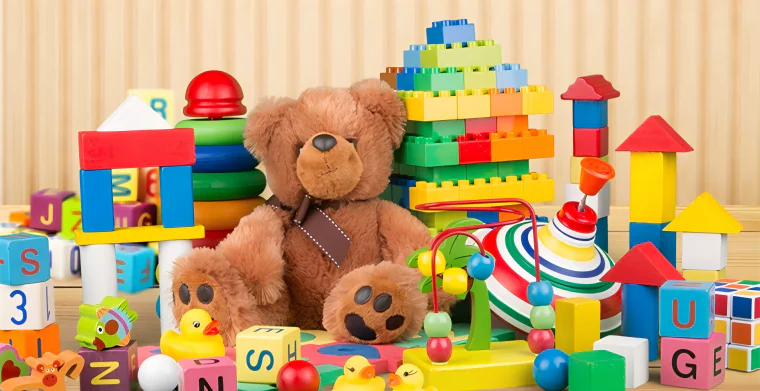
China’s status as the world’s toy manufacturing center stems from three core advantages: a complete supply chain, mature manufacturing capabilities, and concentrated industrial clusters. Unlike other manufacturing regions, China’s toy industry has formed a seamless ecosystem that covers every link from raw material supply to finished product delivery.
In Chenghai, Guangdong, for example, the vast majority of toy parts can be sourced locally, allowing factories to reduce lead times and costs significantly. The region’s advanced manufacturing capabilities are evident in its “black factories”—highly automated production lines where robotic arms handle everything from injection molding to packaging without manual intervention. This efficiency, combined with a large pool of skilled workers, makes China the go-to choice for global toy buyers seeking high-quality toys from China.
Industrial clusters further strengthen China’s advantage. These clusters bring together thousands of toy factories, supporting enterprises, and R&D institutions, fostering innovation and collaboration. A large number of new toy products are launched in Chenghai every day, with the fastest delivery time for new products as short as 7 days.
Which Regions Are the Main Toy Production Hubs?
China’s toy industry is highly concentrated in several core regions, each with distinct strengths. Understanding these regions helps buyers target the right suppliers for their specific needs. Here’s a detailed breakdown:
| Region | Core Strengths | Key Products | Market Data |
| Chenghai, Guangdong | Complete supply chain, strong R&D, innovative design, integration of traditional culture | Plastic toys, building blocks, trendy toys, cultural and creative toys | Over 10,000 toy enterprises; 85.55 billion RMB in toy exports in the first three quarters of 2025 |
| Yiwu, Zhejiang | Global small commodity distribution center, diverse product range, strong cross-border e-commerce support | Smart toys, electric toys, small plastic toys, seasonal toys | 218.1 billion RMB in toy exports in Jan-Oct 2025, up 19.5% year-on-year |
| Dongguan, Guangdong | High-end manufacturing, strict quality control, complete supporting industries, international standard compliance | Trendy toys, high-end plastic toys, licensed toys | Over 4,000 toy manufacturers and 1,500 supporting enterprises; trusted by international brands like 52TOYS |
Each region caters to different buyer needs: Chenghai is ideal for innovative and cultural toys, Yiwu for small-batch and diverse orders, and Dongguan for high-end, quality-focused products.
What Changes Are Happening in China’s Toy Export Market?
China’s toy export market is evolving rapidly, driven by changing global consumer demands and technological advancements. Three key trends are reshaping the industry:
- Cross-border e-commerce boom: Platforms like Alibaba International and Global Sources have made it easier for B2B buyers to connect directly with Chinese factories. Yiwu, in particular, has become a hub for AI toys and electric toys, with a growing number of foreign buyers sourcing through cross-border channels.
- Customization and brand collaboration: More buyers are seeking customized toys to stand out in competitive markets. “Regional customization” has become popular—for example, limited-edition blind boxes for specific regions can go from design to launch in just 90 days.
- Small-batch purchasing: The traditional model of ordering 100,000+ units is being replaced by “cell production lines” with a minimum order quantity (MOQ) of 500 units. This flexibility allows small and medium-sized buyers to test markets without large upfront investments.
Why Do More Buyers Choose to Source Directly from China?
Direct sourcing from China offers three unbeatable benefits for B2B buyers, making it a preferred choice over intermediaries:
First, cost advantage: Sourcing directly eliminates the 10%-20% markup charged by trading companies, allowing buyers to reduce costs significantly. Chinese factories also benefit from economies of scale, offering lower unit prices than manufacturers in other countries.
Second, fast product updates: Chinese factories are highly responsive to market trends. Chenghai alone launches over 1,000 new products daily, ensuring buyers have access to the latest designs and popular items before competitors.
Third, strong ODM/OEM capabilities: Chinese factories excel at custom design and manufacturing. Companies like Guangdong Xinjiaqi Technology specialize in ODM services, creating high-quality building blocks with unique designs that cater to international markets. This flexibility allows buyers to build their own brands without heavy R&D investments, especially when sourcing toys from China.
Main Categories of Toys in Today’s Market
China’s toy market covers a wide range of categories of toys, offering diverse toys from China for every segment, each with its own market dynamics and growth potential. As a B2B buyer, understanding these categories helps you identify high-demand products for your target market.
Plastic Toys & Classic Children’s Toys
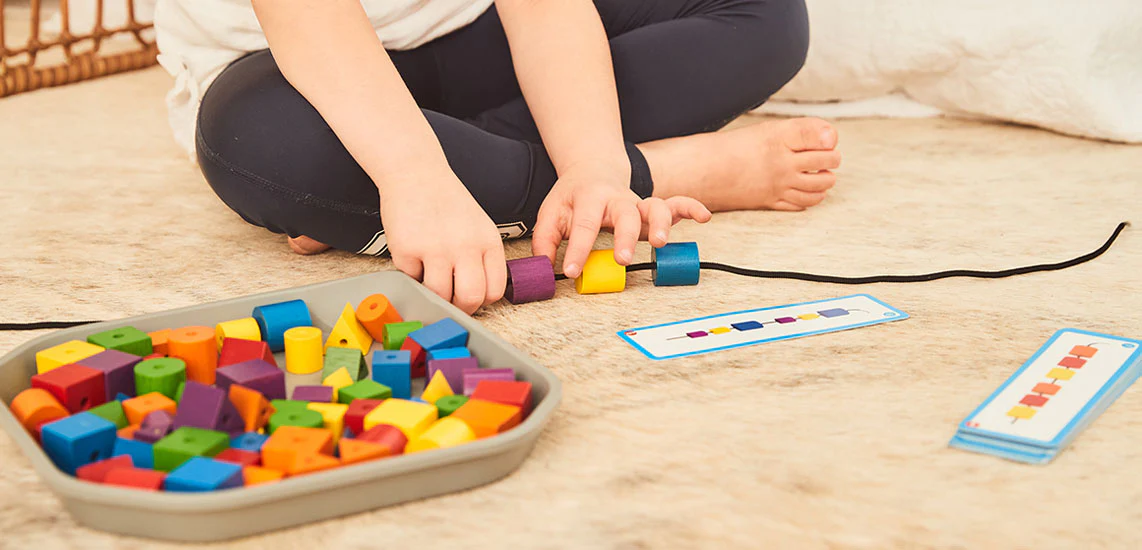
Plastic toys and classic children’s toys are the backbone of the global toy market, known for their stability and long-term popularity. These products have a broad customer base and low market risk.
Key subcategories include building blocks, dollhouses, model cars, and action figures. Chenghai is a leading producer of building blocks, with products like the “Dawn Aerospace Series” that combine intricate designs with educational value. These toys are popular across all age groups and have a consistent demand year-round.
Classic plastic toys also benefit from low production costs and high profit margins. For example, basic building blocks have a production cost of $0.5-$2 per unit, but can be sold retail for $5-$20, making them a profitable choice for B2B buyers.
Educational & STEM Toys
Educational and STEM (Science, Technology, Engineering, Mathematics) toys are one of the fastest-growing categories, driven by parental demand for “learning through play.” Global consumer spending on education has increased, and parents are willing to pay a premium for toys that enhance their children’s skills.
The global STEM toy market has been growing rapidly and is expected to continue expanding. Key products include science experiment kits, coding robots, and engineering building sets.
Chinese factories have adapted to this trend, developing STEM toys that combine fun with education. Many of these products are designed to align with global education standards, making them suitable for export to Europe, the US, and other markets.
Plush Toys & Trendy Toys
Plush toys and trendy toys (including blind boxes) have seen explosive growth in recent years, driven by IP culture, social media, and collector demand. China is the world’s largest market for blind boxes, with a market size of tens of billions of RMB and strong annual growth.
IP collaboration is a key driver of this category. Toys featuring popular anime, game, or cultural IPs (such as Chinese traditional landmarks or Peking Opera masks) are highly sought after. Blind boxes, in particular, appeal to consumers’ desire for surprise and collection, with hidden editions driving repeat purchases.
Plush toys, meanwhile, remain popular for their soft texture and emotional appeal. Chinese factories offer a wide range of plush toys, from small keychains to large stuffed animals, with customizable designs and materials.
Outdoor & Sports Toys
Outdoor and sports toys are seasonal products with peak demand during summer and holiday periods. Key products include scooters, children’s tents, water toys, and paddleboards.
Water toys, in particular, have seen significant growth in recent years. In Yiwu, orders for swimming rings and inflatable pools from April 2025 onwards were 2.66 times higher than the same period last year, with transaction volume increasing by 232%. Paddleboard production has also surged, with factories operating at full capacity and output growing by 30% year-on-year.
These toys are highly profitable but require careful inventory planning. B2B buyers should place orders 2-3 months in advance of peak seasons to ensure timely delivery.
Electronic & Smart Toys
Electronic and smart toys are another fast-growing category, powered by advances in AI and IoT technology. These toys offer interactive experiences, making them popular among tech-savvy parents and children.
Key products include remote-controlled toys, interactive robots, and smart learning toys. In Yiwu, the number of stores selling drones and model aircraft has grown from a few to hundreds, driven by the booming low-altitude economy in China. Smart robots that can transform, talk, and interact with children are also in high demand, with Yiwu’s smart toy exports contributing significantly to overall growth.
Chinese factories have strong R&D capabilities in this area, with many offering ODM services for smart toys. This allows buyers to customize products with their own branding and features.
Best Selling Toys Buyers Should Pay Attention To
To succeed in the global toy market, B2B buyers (including those focused on children toys wholesale) need to focus on products with strong growth potential. Below are four key categories that are currently driving sales and will continue to be popular in the coming years, representing the most sought-after toys from China. Some of which have become best selling toys of all time in their niches.
Why Are STEM Toys Still Booming?
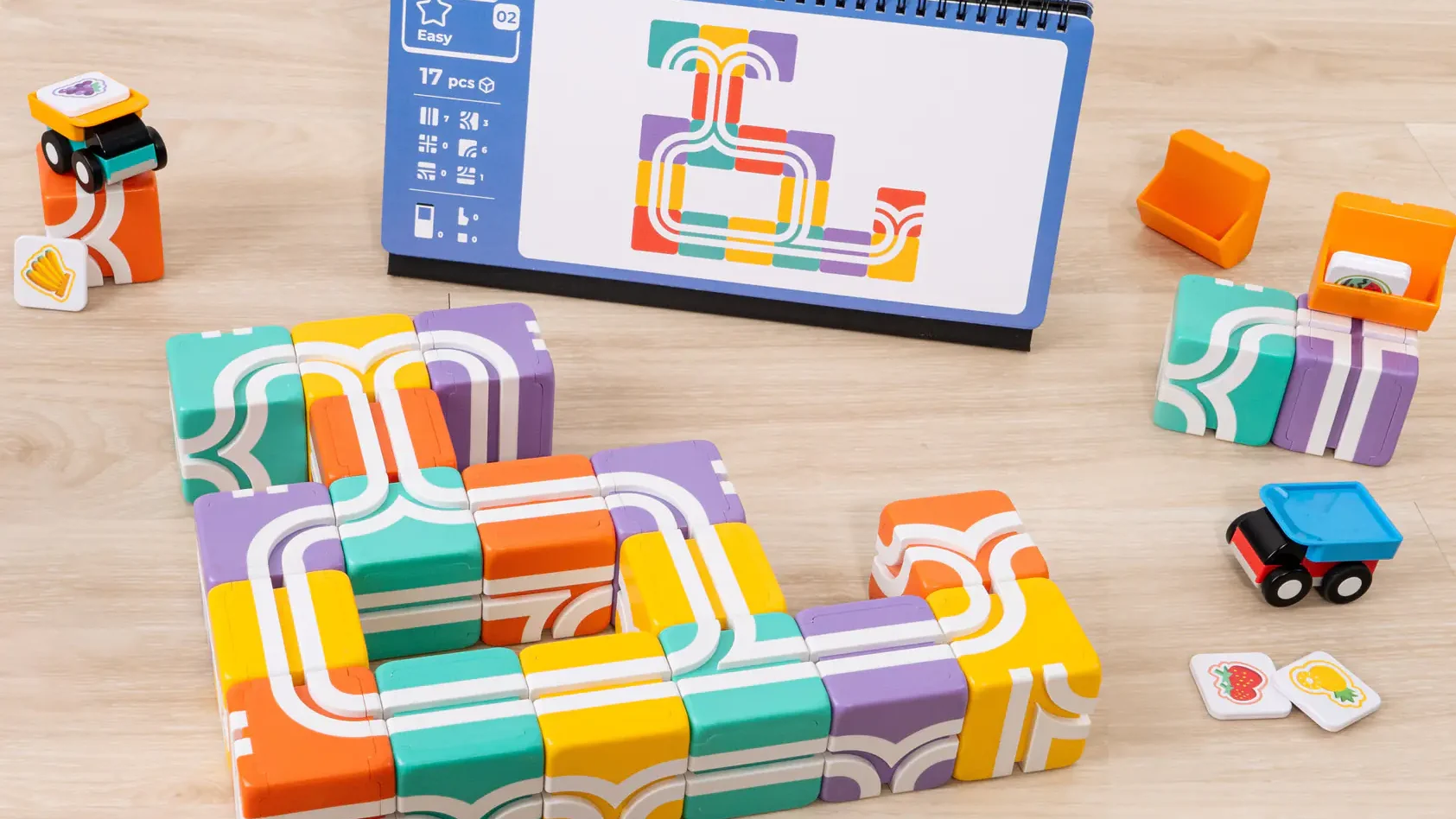
STEM toys’ continued popularity is rooted in two key factors: education-driven consumption and parental demand for “learning through play.” As global attention to STEM education grows, parents are increasingly prioritizing toys that help their children develop critical thinking and problem-solving skills.
The US Department of Commerce estimates that STEM jobs will grow faster than non-STEM jobs in the coming decade. This trend has led parents to invest more in STEM toys, which are seen as a way to prepare children for future careers.
STEM toys also offer long-term value, as they can be used by children of different ages. For example, a coding robot can be programmed at different difficulty levels, growing with the child. This versatility makes them a popular choice for B2B buyers targeting families with young children.
Why Have Blind Boxes & Trendy Toys Become New Growth Drivers?
Blind boxes and trendy toys have become new growth drivers due to three key factors: social media influence, IP culture, and collectibility. Social media platforms like TikTok and Instagram have played a crucial role in promoting these toys, with viral videos driving sudden surges in demand.
A prime example is a water gel toy that became a hit on TikTok in 2025. A 40-second video of a mother and daughter playing with the toy received 11.54 million views, leading to a 200 million RMB monthly sales and stock shortages. Most orders (84%) came from ordinary mothers with fewer than 5,000 followers, highlighting the power of organic social media marketing.
IP culture and collectibility also drive sales. Blind boxes’ “surprise factor” and hidden editions encourage repeat purchases, while trendy toys with popular IPs (such as anime or game characters) build a loyal fan base. The secondary market for these toys is also growing, with custom-made blind box items selling for high prices on platforms like eBay.
Why Are Eco-Friendly Toys Becoming More Important?
Eco-friendly toys are gaining importance as European and American markets tighten regulations on environmental protection. Consumers are increasingly concerned about the environmental impact of toys, and governments are imposing stricter requirements on materials and packaging.
The EU’s REACH regulation, which controls the use of chemicals in products, has become a key barrier to entry for toy exports. As of recent updates, the REACH SVHC list (Substances of Very High Concern) has grown to over 200 items, with strict limits on substances like phthalates and formaldehyde. In 2024, chemical risk-related toy recalls have accounted for a significant proportion of all toy recalls in the EU, with EVA toys making up a notable share of these cases.
Buyers who prioritize eco-friendly toys can tap into this growing market and avoid regulatory risks. Chinese factories are increasingly using sustainable materials like recycled plastic and biodegradable packaging to meet these demands.
Which Seasonal Toys Are Worth Preparing for in Advance?
Seasonal toys offer significant profit opportunities, but they require advance planning. Below are the key seasonal toys B2B buyers should focus on, along with their peak demand periods:
- Summer water toys: Peak demand is from June to August. Products like swimming rings, inflatable pools, and water guns see a surge in orders during this period. Buyers should place orders in March-April to ensure delivery before the summer season.
- Christmas toys: Peak demand is from October to December. Popular products include Christmas-themed dolls, decorative toys, and gift sets. Buyers should start sourcing in July-August to avoid delays due to holiday shipping congestion.
- Outdoor sports toys: Peak demand is from April to September. Scooters, children’s tents, and paddleboards are popular during this period, with Yiwu’s paddleboard production growing by 30% year-on-year in 2025.
Toy Safety Certifications Every Buyer Should Know
Toy safety is non-negotiable for B2B buyers. Children’s products are strictly regulated globally, and safety violations can lead to product recalls, legal penalties, and damage to your brand reputation. Below is everything you need to know about toy safety certifications.
Why Are Toy Safety Certifications So Important?
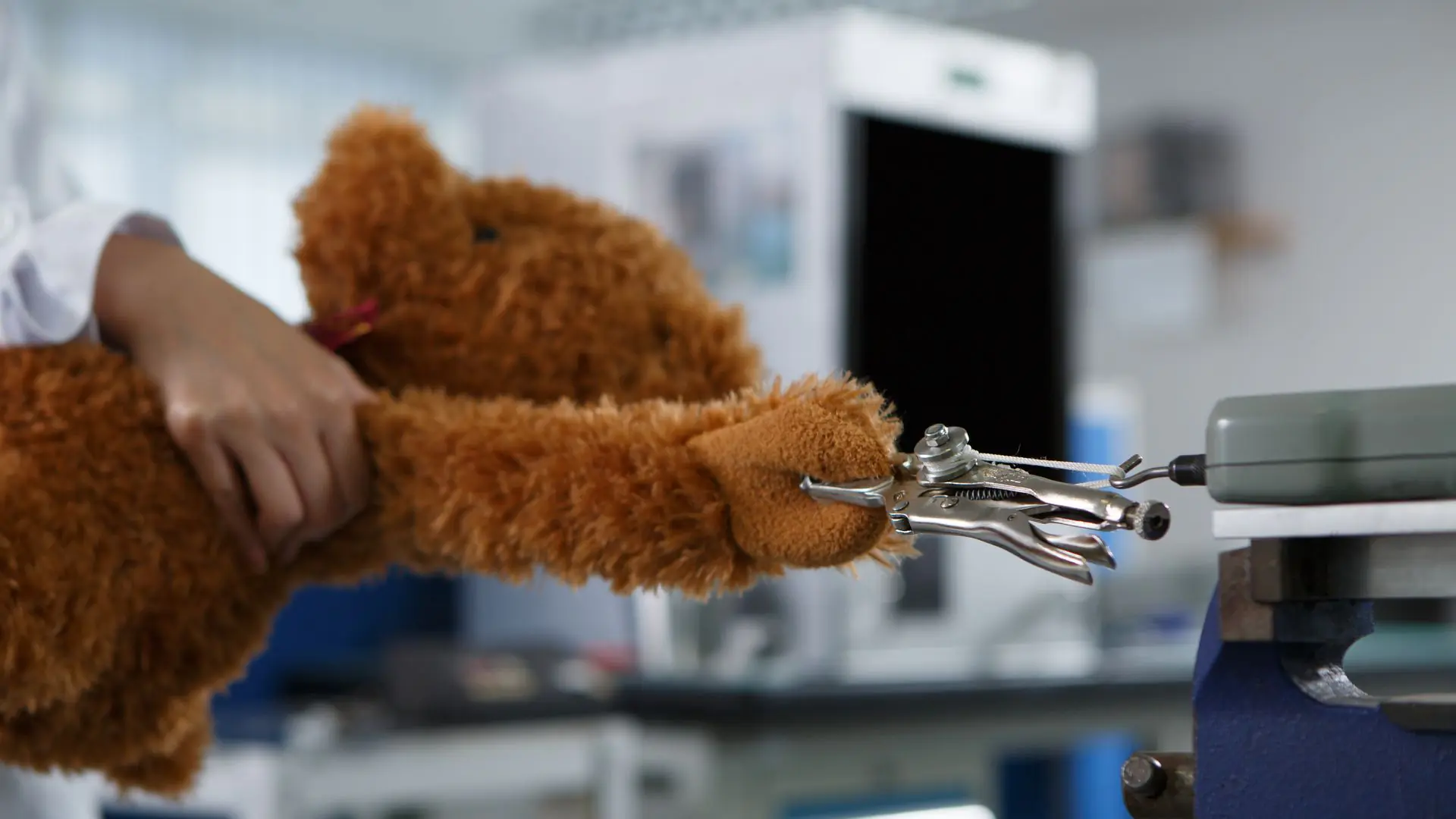
Toy safety certifications are critical because they ensure products meet the strict safety standards set by target markets. Failure to comply can result in severe consequences, including product recalls, fines, and even bans from selling in certain countries.
For example, in 2024, Fisher-Price recalled over 2 million baby swings in the US after 5 infants died from suffocation hazards. In the same year, Fisher-Price also recalled 3,094 newborn gift sets in China due to choking risks from loose parts. These cases highlight the importance of ensuring toys meet safety standards before importing.
Safety certifications also build trust with consumers. Buyers are more likely to purchase products that have been certified, as it demonstrates a commitment to quality and safety.
What Are EN71, ASTM F963, and CPC?
EN71, ASTM F963, and CPC are the most common safety certifications for toys exported to Europe and the US. Here’s a breakdown of each:
| Certification | Applicable Market | Key Requirements |
| EN71 | EU and European Economic Area (EEA) | Tests mechanical safety (small parts, sharp edges), chemical safety (heavy metals, phthalates), and flammability. Must comply with REACH regulations for chemical substances. |
| ASTM F963 | US | The latest version (ASTM F963-23) includes updated requirements for mechanical safety, chemical safety, and electrical safety. It is recognized by the US Consumer Product Safety Commission (CPSC). |
| CPC (Children’s Product Certificate) | US | A mandatory certificate for all children’s products sold in the US. It certifies that the product meets ASTM F963 and other applicable safety standards. Must be issued by a third-party testing laboratory. |
Which Toys Are Most Prone to Safety Issues?
Some toys are more likely to have safety issues than others, mainly due to their design, materials, or components. The key high-risk toys include:
- Toys with small parts: Small parts (such as toy accessories or loose components) pose a choking hazard for young children. Fisher-Price’s recall of newborn gift sets was due to loose caps on dumbbell toys that could be swallowed.
- Toys with coatings: Coatings containing heavy metals (like lead) or harmful chemicals (like phthalates) can be toxic if ingested by children. The EU’s REACH regulation sets strict limits on these substances.
- Plastic toys with odd odors: Strong odors often indicate the use of low-quality or toxic materials, such as recycled plastics with harmful additives.
- Battery-powered toys: Batteries can leak or be swallowed, posing chemical and choking hazards. Toys with button batteries are particularly risky for young children.
How Can Buyers Review Test Reports?
Reviewing test reports is a critical step in ensuring toy safety. Here are four key tips to help you verify the validity and completeness of test reports:
- Check the testing institution’s qualifications: The laboratory must have recognized certifications such as CMA (China Metrology Accreditation) and CNAS (China National Accreditation Service for Conformity Assessment). For exports to the EU or US, the laboratory should also be recognized by the relevant authorities (e.g., ECHA for the EU, CPSC for the US).
- Verify the test items: The report should include all relevant tests for the product type. For example, plastic toys should include tests for heavy metals and phthalates, while electrical toys should include tests for electrical safety.
- Check the report’s validity: Test reports have an expiration date (usually 1-2 years). Ensure the report is up-to-date and covers the exact product you are importing.
- Look for specific data: The report should include specific test results (e.g., lead content in parts per million) rather than just a “pass/fail” rating. This allows you to verify compliance with strict limits (e.g., lead content ≤90mg/kg for US toys).
How to Find Reliable Toy Factories in China
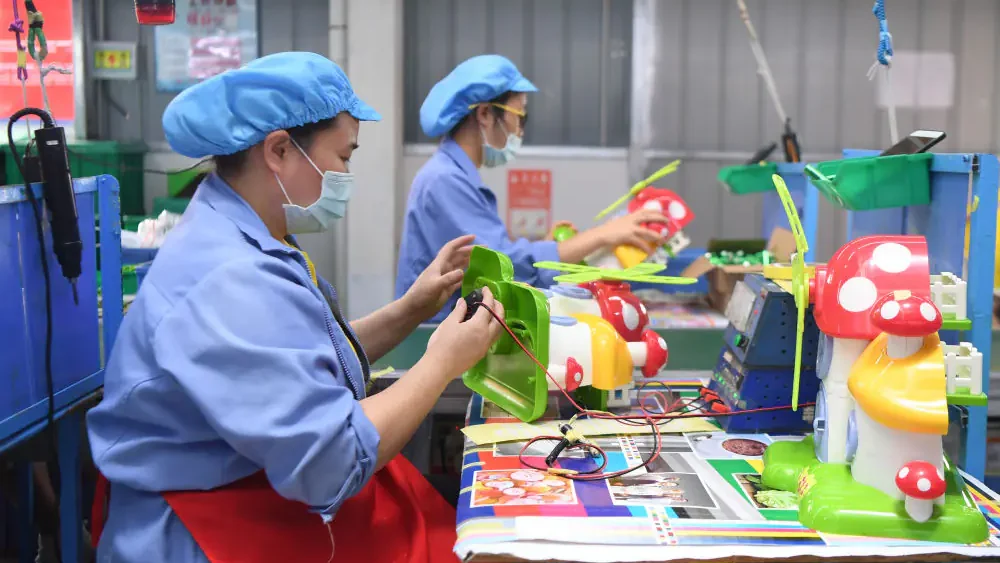
Finding a reliable toy factory (or manufacturer toys china) is the key to successful importing importing toys from China. Many B2B buyers struggle with this step, but with the right criteria, you can identify trustworthy suppliers that meet your quality and delivery requirements.
What’s the Difference Between Trading Companies and Factories?
B2B buyers can choose to work with either trading companies or direct factories, each with its own advantages and disadvantages. The table below compares the two models:
| Factor | Trading Companies | Direct Factories |
| Price | Higher (10%-20% markup) | Lower (no middleman markup) |
| Service | Better communication, one-stop service, handles logistics and documentation | Limited service, may lack English proficiency and logistics support |
| Product Control | Limited control over production process and quality | Full control over production, easier to customize products |
| MOQ | Lower (can handle small-batch orders) | Higher (usually 500+ units for custom orders) |
In general, large buyers with high order volumes should work directly with factories for lower costs and better control. Smaller buyers or those with diverse product needs may benefit from trading companies’ one-stop service.
How to Judge if a Factory Is Professional?
A professional toy factory can ensure stable quality and on-time delivery. Here are four key criteria to evaluate a factory’s professionalism:
- Production scale: A professional factory will have a large production area, advanced equipment, and a sufficient number of workers. For example, high-end factories in Dongguan have automated production lines and strict quality control processes.
- Certification system: The factory should have relevant certifications such as ISO9001 (quality management), BSCI (social responsibility), and product safety certifications (EN71, ASTM F963). This demonstrates a commitment to quality and compliance.
- R&D capabilities: A professional factory will have an R&D team that can develop new products and customize designs. Chenghai’s factories, for example, launch over 1,000 new products daily, showing strong R&D capabilities.
- Factory inspection: Always conduct a factory inspection (either in person or through a third party) to verify production capacity, quality control processes, and working conditions. This is the most effective way to ensure the factory can meet your requirements.
Why Doesn’t Sample Quality Equal Mass Production Quality?
Many B2B buyers make the mistake of assuming sample quality will match mass production quality. However, there are two key reasons why this is often not the case:
First, material replacement: Factories may use high-quality materials for samples to win orders, but switch to cheaper, lower-quality materials during mass production to cut costs. For example, using recycled plastic instead of new plastic can reduce costs but compromise product quality.
Second, process fluctuations: Mass production involves more complex processes than sample production, leading to potential quality issues. For example, injection molding machines may have slight variations in temperature or pressure, resulting in inconsistent product sizes or shapes.
To avoid this, include a quality clause in your contract that specifies material standards and quality requirements. Conduct pre-shipment inspections to ensure mass production quality matches the sample.
What Signals Indicate an Unreliable Supplier?
Unreliable suppliers can cause delays, quality issues, and financial losses. Here are four red flags to watch out for:
- Unusually low quotes: If a supplier’s quote is 30% or more lower than the market average, it is likely they are cutting corners on materials or quality.
- Unprofessional communication: Slow response times, unclear answers to questions, or poor English proficiency are signs of an unprofessional supplier. A reliable supplier will respond promptly and provide detailed information.
- Inability to provide test reports: If a supplier cannot provide valid test reports (e.g., EN71, ASTM F963), it is likely their products do not meet safety standards.
- Unwillingness to accept factory inspections: A reliable supplier will welcome factory inspections, while an unreliable one will make excuses to avoid them.
What Smart B2B Buyers Focus on Today
The global toy market is changing rapidly, and smart B2B buyers are shifting their focus from just low prices to long-term value. Below are four key areas that successful buyers prioritize.
Is Low-Cost Sourcing Really the Most Cost-Effective?
Many B2B buyers prioritize low prices, but this can lead to higher costs in the long run. Low-cost toys often have quality issues, resulting in product returns, recalls, and damage to your brand reputation.
For example, a low-cost plastic toy may have a short lifespan, leading to frequent replacements and increased customer complaints. In contrast, a slightly more expensive toy with better quality will have a longer lifespan and higher customer satisfaction, reducing long-term costs.
Smart buyers focus on “cost-effectiveness” rather than just low prices. They consider factors like quality, durability, safety, and after-sales service when evaluating suppliers.
Why Are More Buyers Choosing Customized Toys?
Customized toys are becoming increasingly popular among B2B buyers, driven by three key factors: branding, e-commerce competition, and differentiated demand.
First, branding: Customized toys allow buyers to build their own brand identity. By adding their logo, design, or unique features, buyers can stand out from competitors and build customer loyalty.
Second, e-commerce competition: The rise of e-commerce has made the toy market more competitive. Customized toys offer a way to differentiate products and attract customers in a crowded market.
Third, differentiated demand: Consumers are increasingly seeking unique products that reflect their personal preferences. Customized toys, such as region-specific blind boxes or personalized building sets, cater to this demand.
How Does Social Media Impact the Toy Market?
Social media platforms like TikTok, YouTube, and Instagram have become powerful drivers of toy sales. They can turn ordinary toys into viral hits overnight, as seen with the water gel toy that went viral on TikTok in 2025.
TikTok, in particular, has a huge impact on toy trends. Short videos of children playing with toys, unboxing blind boxes, or demonstrating toy features can quickly go viral, driving massive demand. A single viral video can increase a toy’s sales by 1000% or more in a matter of days.
Smart B2B buyers monitor social media trends to identify potential viral products. They also work with suppliers to develop toys that are “social media-friendly”—easy to demonstrate, visually appealing, and shareable.
What Are the Future Trends in the Toy Industry?
The toy industry is evolving rapidly, with three key trends expected to shape its future:
- AI interactive toys: AI technology will make toys more interactive and personalized. Smart robots that can recognize voices, learn children’s preferences, and adapt to their needs will become more popular. Yiwu’s growing smart toy market is a sign of this trend.
- Eco-friendly materials: As environmental regulations tighten and consumer awareness grows, eco-friendly toys will become the norm. Chinese factories are already using recycled materials, biodegradable packaging, and non-toxic additives to meet these demands.
- IP-based operations: IP collaboration will continue to drive growth in the toy market. Toys featuring popular IPs (anime, games, cultural landmarks) will remain in high demand, as they build on existing fan bases and reduce marketing costs.
Conclusion
China remains one of the world’s most important toy sourcing markets, with a complete supply chain, diverse product range, and competitive prices. However, successful importing is not just about finding low-cost toys from China—it requires a deep understanding of the industry, market trends, safety certifications, and supplier management.
For B2B buyers, the key to success is to focus on quality, compliance, and long-term partnerships. By understanding the toy categories, safety standards, and supplier selection criteria outlined in this guide, you can find products with market potential and suppliers that meet your needs.
Remember, the goal of importing toys from China is not just to make a profit, but to build a sustainable business. By prioritizing quality, safety, and customer satisfaction, you can succeed in the global toy market for years to come.