
Introduction
China is not only one of the world’s largest stationery manufacturing bases but also a key supply chain source for many international brands and wholesalers. From student stationery to office supplies, and from creative bullet journal products to artistic painting tools, China’s stationery industry has formed a complete and highly mature production system.
In 2024, China’s stationery industry market size reached 132.2 billion yuan, and its export volume of cultural and educational office supplies was about 38.5 billion US dollars, accounting for approximately 30% of the world’s total export of office stationery products. For B2B buyers, the most critical issue in importing stationery is not just finding low-cost products, but locating suppliers with real market potential, stable quality, and long-term cooperation value.
This guide will break down everything you need to know to successfully import China stationery, from industry trends to supplier selection and compliance requirements.
Why China Leads the Global Stationery Industry
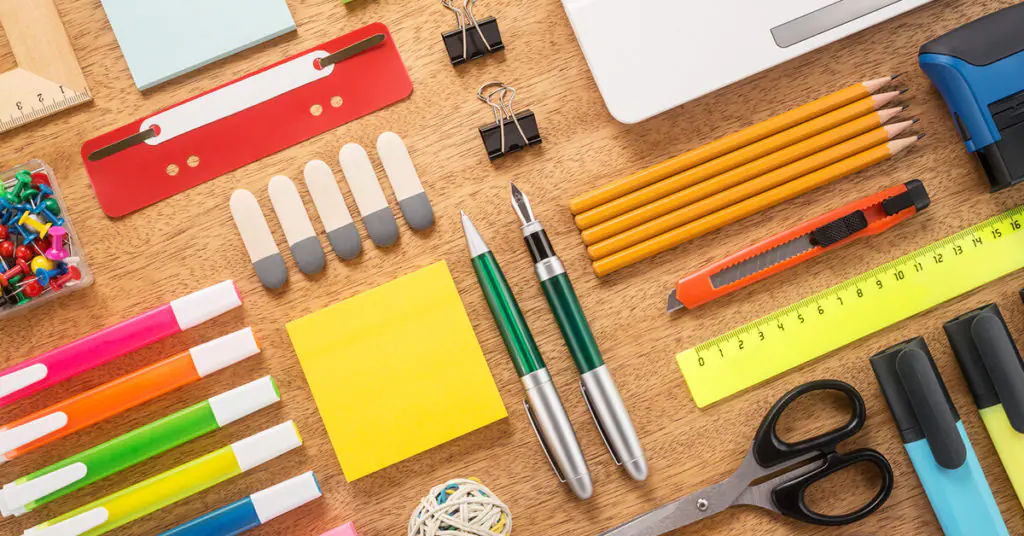
Why is China the Global Stationery Manufacturing Hub?
China’s status as the global stationery manufacturing center stems from three core advantages: a complete industrial chain, high production efficiency, and prominent export advantages. The industrial chain covers every link from raw material supply (such as plastic, paper, and ink) to production, packaging, and logistics. For example, Zhejiang Province alone has more than 7,000 stationery-related enterprises, gathering upstream raw material suppliers, midstream manufacturers, and downstream packaging and logistics companies.
In terms of production efficiency, Chinese stationery factories adopt automated production lines, which greatly reduce production cycles and costs. A typical factory can produce 500,000 ballpoint pens per day, and the delivery cycle for bulk orders is usually 30-45 days, which is 20%-30% shorter than that of factories in other countries.
In terms of export advantages, China has convenient port facilities (such as Ningbo Port and Shenzhen Port) and preferential tariff policies, making it easier for stationery products to enter global markets. In 2025, the export volume of stationery products from Yiwu alone reached 410 million yuan in the first seven months, a year-on-year increase of 12.3%.
Which Regions Are China’s Stationery Industry Concentrated In?
China’s stationery industry is mainly concentrated in the Yangtze River Delta and Pearl River Delta regions, with four core industrial belts: Yiwu, Ningbo, Wenzhou, and Guangzhou. Each industrial belt has its own characteristics, making it easy for B2B buyers to find suppliers that match their needs. The following table summarizes the key features of each industrial belt:
| Industrial Belt | Core Features | Main Products | Export Advantages |
| Yiwu | The world’s largest small commodity market, with 3,000+ stationery enterprises, focusing on wholesale and low MOQ orders | Student stationery, stickers, DIY crafts, daily stationery | Convenient logistics, complete product categories, suitable for small and medium-sized buyers |
| Ningbo | Export-oriented, gathering 200+ IP co-branded enterprises, strong R&D capabilities | Office stationery, high-end notebooks, IP co-branded stationery | Close to Ningbo Port, fast customs clearance, suitable for bulk export orders |
| Wenzhou | Strong in plastic processing, mature production technology, cost-effective | Plastic stationery, pencil cases, staplers, file folders | Low production costs, suitable for buyers pursuing high cost-performance |
| Guangzhou | Focus on creative design, close to international markets, perfect foreign trade services | Creative stationery, bullet journal products, high-end artistic supplies | Fashionable designs, fast product updates, suitable for brand buyers |
What Changes Have Occurred in the Global Stationery Market in Recent Years?
The global stationery market has undergone significant changes in recent years, driven by consumer demand and technological development. Three key trends stand out. First, cross-border e-commerce has become a mainstream sales channel. Platforms such as Amazon, Alibaba International Station, and TikTok Shop have made it easier for Chinese stationery to enter global markets, with cross-border sales of Chinese stationery have been growing rapidly year by year.
Second, niche design has gained popularity. Young consumers are no longer satisfied with generic stationery and are more willing to pay for products with unique designs and emotional value. For example, IP co-branded stationery and independent designer stationery have a premium rate of up to 200%. Third, eco-friendly stationery has become a global trend. More than 62% of North American consumers said that “material environmental protection” will significantly affect their purchase decisions for office supplies, and 67% of European respondents prefer to buy office and study supplies with “sustainable labels” or “environmental certifications”.
Why Are More Brands Choosing to Import Stationery from China?
More and more international brands are turning to China for stationery imports, mainly due to three core advantages: price, product update speed, and OEM/ODM capabilities. In terms of price, Chinese stationery products are 30%-50% cheaper than similar products in Europe and the United States, thanks to the complete industrial chain and low labor costs. For example, a standard ballpoint pen produced in China costs 0.5-1 US dollar, while the same product produced in Europe costs 1.5-2.5 US dollars.
In terms of product update speed, Chinese factories launch a steady stream of new stationery products every month, keeping up with global fashion trends. This is crucial for brands that need to stay competitive in the fast-changing market. In terms of OEM/ODM capabilities, most Chinese stationery factories have professional R&D teams and can customize products — such as a complete custom stationery set — according to buyers’ requirements, from design to production. Brands such as Chenguang and Deli have long provided OEM services for international well-known brands, with a customization success rate of over 95%.
Main Categories of Stationery Products
China’s stationery products cover five major categories, each with distinct market characteristics and consumer groups. Understanding these categories can help B2B buyers accurately locate market demand and select the right products to import.

Student Stationery Products
Student stationery is the largest category in China’s stationery exports, accounting for 12% of the domestic stationery market. It includes traditional best-selling products such as pencils, ballpoint pens, erasers, rulers, and pencil cases. China has a huge consumer base of about 300 million students, which drives the stable development of the stationery for schools market.
Key hot-selling products include mechanical pencils with 0.5mm lead, gel pens with quick-drying ink, and durable plastic pencil cases. During the back-to-school season (August-September) and exam season (May-June), the demand for student stationery surges, with order volumes increasing by 50%-80% compared to usual. However, buyers need to pay attention to product safety, as some low-quality student stationery may have excessive fluorescent brightness, which is harmful to children’s eyesight.
Office Stationery and Corporate Supplies
Office stationery is the largest category in China’s stationery industry, accounting for 61% of the market. It includes file folders, staplers, sticky notes, notebooks, and other products needed for daily office work. With the rise of hybrid work models, the demand for office stationery has remained stable, especially for products that improve work efficiency.
The global office stationery market has shown steady growth, with projections indicating continued expansion over the coming decade. Chinese office stationery is popular among global buyers for office supplies wholesale, due to its high quality and cost-effectiveness. For example, Chinese file folders are known for their durability, and sticky notes are favored for their strong adhesion and diverse designs.
Creative Stationery and Bullet Journal Products
Creative stationery and bullet journal products are the fastest-growing category in recent years, driven by young consumers’ pursuit of aesthetics and emotional needs. This category includes Instagram-style stationery, Japanese-style stationery, stickers, and DIY craft products. According to Tmall data, the turnover of bullet journals on the platform increased by more than 30% year-on-year in 2025, and the number of related merchants increased by more than 70%.
Stickers and washi tapes are particularly popular, with various designs such as cute cartoon characters, minimalist patterns, and natural elements. Japanese-style stationery, known for its delicate design and high quality, is also in high demand in European and American markets. Many Chinese factories specialize in producing creative stationery, with MOQs as low as 500 pieces, making it suitable for small and medium-sized B2B buyers.
Art and Painting Supplies
Art and painting supplies include markers, watercolors, drawing boards, paints, and other products for artistic creation. China is a major producer of art supplies, with products exported to more than 100 countries and regions. The quality of Chinese art supplies has been continuously improved, and some high-end products have reached international standards.
Key products include alcohol-based markers with rich colors, non-toxic watercolor paints, and lightweight drawing boards. European and American markets have a strong demand for art supplies, especially for professional-grade products used by artists and designers. Chinese art supplies have a price advantage of 40%-60% compared to international brands, making them highly competitive in the global market.
Eco-Friendly and Sustainable Stationery
Eco-friendly and sustainable stationery has become a global trend, driven by environmental policies and consumer awareness. This category includes products made of recyclable materials, eco-friendly paper, and bamboo stationery. The application rate of degradable materials in China’s stationery industry has increased from 5% in 2020 to 28% in 2025.
Key products include ballpoint pens made of corn starch, notebooks made of recycled paper, and bamboo pencil cases. Zhencai Stationery’s “corn starch pen” has an annual sales volume of over 50 million pieces, reducing carbon emissions equivalent to planting 100,000 trees. European markets have strict requirements for eco-friendly stationery, and products need to meet relevant environmental certifications to enter the market.
Best Selling Stationery Products Buyers Should Watch
Understanding the best-selling stationery products in the global market is crucial for B2B buyers to seize market opportunities and increase sales. The following sections analyze the reasons for the popularity of different types of best-selling products and their market potential.
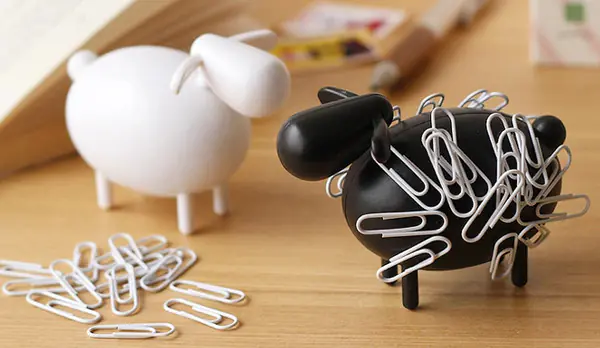
Why Is Creative Stationery Becoming More Popular?
Creative stationery is gaining popularity mainly due to the promotion of social media and the aesthetic consumption trends of young consumers. Platforms such as TikTok, Pinterest, and Xiaohongshu have become important channels for promoting creative stationery. On TikTok, the main hashtag #stationery has 4.3 billion views, and a video showing a “multifunctional highlighter and mechanical pencil” once gained 8 million views and 1.1 million likes.
Young consumers (Gen Z and millennials) regard stationery as a way to express their personality and pursue a quality life. They are willing to pay a premium for products with unique designs and emotional value. For example, IP co-branded stationery is 2-5 times more expensive than ordinary stationery, but it is still popular among young consumers. B2B buyers can focus on creative stationery with social media potential to gain more market share.
Why Do Office Efficiency Products Continue to Sell Well?
Office efficiency products have been selling well due to the increasing demand for work efficiency and the popularity of remote work. This category includes desktop organizers, efficiency tools (such as time managers), and products suitable for remote work (such as portable notebooks and wireless labels).
The global market for storage products is expected to exceed 300 billion yuan by 2025, and desktop organizers, as an important part of storage products, have seen a surge in demand. With more companies adopting hybrid work models, the demand for office efficiency products has increased by 35% in the past two years. For example, intelligent time managers with functions such as time setting and voice reminders are very popular among office workers, with a daily sales volume of about 3,000 pieces on e-commerce platforms.
Which Student Stationery Are Long-Term Stable Bestsellers?
Some student stationery products have long-term stable sales due to rigid demand, especially products related to the back-to-school season and exam season. These products have a stable market demand and low risk for B2B buyers. The back-to-school season accounts for 40%-50% of the annual sales of student stationery, making it a key period for buyers to place orders.
Key stable bestsellers include: standard pencils (HB and 2B), quick-drying gel pens, erasers that do not leave residue, rulers with clear scales, and durable pencil cases. During the exam season, products such as exam-specific pens and answer sheet pencils are in high demand. For example, 2B pencils used for answer sheets have a stable order volume every year, and the demand increases by 70% during the exam season.
Why Has Eco-Friendly Stationery Become an International Market Trend?
Eco-friendly stationery has become an international market trend due to the increasing attention to environmental protection in European and American markets. The European Union’s “European Green Deal” and “Sustainable Product Policy Initiative” are promoting the upgrading of the stationery industry in terms of raw materials, production energy consumption, and recycling mechanisms.
European and American consumers are willing to pay a premium of 15%-25% for eco-friendly stationery. For example, notebooks made of recycled paper are 20% more expensive than ordinary notebooks, but they have a higher market share in Europe. In addition, many countries have introduced policies to restrict the use of non-degradable materials in stationery, which further promotes the development of eco-friendly stationery. B2B buyers who focus on eco-friendly stationery can gain a competitive advantage in the global market.
Stationery Safety and Compliance Buyers Need to Know
Stationery safety and compliance are crucial for B2B buyers, as non-compliant products may be rejected at customs, leading to losses. The following sections introduce the safety certification requirements, main regulations in European and American markets, common quality problems, and methods to review test reports.
Why Do Some Stationery Products Require Safety Certification?
Some stationery products, especially children’s stationery, paints, and glues, require safety certification because they may contain harmful chemicals that pose risks to human health. Children are more sensitive to harmful substances, so countries have strict safety requirements for children’s stationery.
For example, children’s stationery may contain heavy metals (such as lead and cadmium) and phthalates, which can cause harm to children’s physical and mental health if used for a long time. A survey found that 30% of student workbooks on the market have unqualified D65 brightness and fluorescent brightness, which may damage children’s eyesight. Therefore, safety certification is not only a legal requirement but also a guarantee of product quality.
What Are the Main Regulations for Stationery in European and American Markets?
European and American markets have strict regulations for stationery products, and B2B buyers must ensure that their imported products comply with these regulations. The main regulations are as follows:
- EN71 (European Union): This standard applies to children’s stationery and covers physical and mechanical properties, flammability, chemical substances (such as heavy metals and phthalates), and labeling requirements. For example, the content of lead in children’s stationery must comply with EN71-3 standards, which are tested using X-ray fluorescence spectrometers (XRF).
- REACH (European Union): This regulation restricts the use of harmful chemicals in stationery products. As of 2025, more than 200 chemicals are included in the REACH candidate list, and stationery products must not contain these chemicals in excess of the limit.
- CPSIA (United States): This act restricts the lead content in stationery: the lead content in coatings shall not exceed 90ppm, and the lead content in other materials shall not exceed 100ppm, with exemptions for inaccessible parts. Children’s stationery must also pass third-party testing to enter the U.S. market.
Which Stationery Products Are Most Prone to Quality Problems?
Some stationery products are prone to quality problems due to factors such as raw materials and production processes. The main products and their common quality problems are as follows:
- Ink products: Common problems include ink leakage, fading, and poor fluidity. For example, some low-quality gel pens may leak ink when used, which affects the user experience. In addition, some ink may contain harmful substances such as benzene, which does not meet environmental standards.
- Plastic parts: Common problems include brittleness, easy breakage, and peculiar smell. Some factories use recycled plastic to reduce costs, which leads to poor quality of plastic parts. For example, plastic pencil cases may crack easily, and plastic staplers may break after a few uses.
- Small parts: For children’s stationery, small parts (such as stickers and pen caps) may fall off, posing a choking hazard. Therefore, small parts must meet safety standards and be firmly fixed.
- Odor problems: Some stationery products (such as notebooks and pencil cases) have a strong odor, which is caused by the use of low-quality raw materials (such as inferior glue and plastic). These odors may contain harmful substances and affect human health.
How Can Buyers Review Test Reports?
Reviewing test reports is an important way for B2B buyers to verify product quality and compliance. Here are some key points to help buyers identify real test reports and focus on key test items:
First, check the qualification of the testing agency. The testing agency must have CNAS/CMA certification, such as CTI Testing and Shanghai Textile Group Testing Center, to ensure that the test data is traceable and credible. Second, check the completeness of the test report, including product information, test items, test results, and test dates. Fake test reports often have incomplete information or inconsistent dates.
Third, focus on key test items. For children’s stationery, focus on heavy metal content, phthalate content, and fluorescent brightness; for ink products, focus on harmful substance content and ink performance; for plastic parts, focus on material safety and durability. If the test report shows that any item does not meet the standard, buyers should ask the supplier to provide a rectification plan or choose another supplier.
How to Find Reliable Stationery Suppliers in China
Finding reliable wholesale stationery suppliers is the key to successful stationery import. B2B buyers need to understand how to choose between factories and trading companies, judge the professionalism of factories, attach importance to sample testing, and vigilantly identify supplier risk signals.
How to Choose Between Factories and Trading Companies?
Factories and trading companies have their own advantages and disadvantages, and buyers should choose according to their own needs. The following table compares the two models:
| Model | Advantages | Disadvantages | Suitable Scenarios |
| Factory | Low price, customizable, direct control of production process, high quality control | High MOQ (usually 1000+ pieces), poor service capability, long communication cycle | Bulk orders, customized products, buyers with strong supply chain management capabilities |
| Trading Company | Low MOQ (500+ pieces), perfect service, one-stop procurement, professional foreign trade capabilities | Higher price (10%-20% higher than factories), no direct control of production, information asymmetry | Small and medium-sized orders, standard products, buyers without experience in importing from China |
For example, a liquor brand that needed customized gift pens chose a trading company at first, but the sample color deviated significantly and the delivery was delayed. Later, it switched to a factory with its own mold development capabilities, which completed the sample in 3 days and met the quality requirements.
How to Judge Whether a Stationery Factory Is Professional?
Judging the professionalism of a stationery factory requires focusing on four aspects: production equipment, R&D capabilities, sample making speed, and factory inspection. First, production equipment: a professional stationery manufacturer should have advanced automated production lines, such as injection molding machines and printing machines, which can ensure production efficiency and product quality. For example, a professional pen factory has 10+ automated assembly lines, with a daily output of 500,000 pens.
Second, R&D capabilities: professional factories have R&D teams and patents. For example, Deli invests a substantial portion of its revenue in R&D, and has launched the world’s first AI smart pen. Third, sample making speed: professional factories can complete sample making in 3-5 days, and the sample quality can reflect the mass production quality. Fourth, factory inspection: professional factories have passed ISO9001 quality management system certification and social responsibility certification, and are willing to accept factory inspections by buyers.
Why Is Sample Testing Very Important?
Sample testing is crucial because there may be quality differences between mass-produced products and samples. Some factories may provide high-quality samples but use inferior raw materials in mass production to reduce costs. A survey found that 20%-30% of stationery products have quality differences between samples and mass-produced products, such as inconsistent color, poor material quality, and unqualified performance.
B2B buyers should conduct strict testing on samples, including appearance, performance, safety, and compliance. For example, test the fluidity of ink, the durability of plastic parts, and the content of harmful substances. If the sample does not meet the requirements, ask the factory to adjust and re-sample until it meets the standards. Only after passing the sample test can buyers place bulk orders to avoid losses.
Which Supplier Risk Signals Need to Be Vigilant?
B2B buyers need to be vigilant about the following risk signals when choosing suppliers to avoid being deceived:
- Low-price trap: If the supplier’s quotation is 20% lower than the market average, it may be a low-price trap. These suppliers may use inferior raw materials or cut corners to reduce costs, leading to poor product quality and high after-sales costs.
- Unstable delivery time: If the supplier frequently delays delivery or cannot guarantee the delivery time, it will affect the buyer’s sales plan. For example, a pharmaceutical company once faced delivery delays due to a trading company’s inability to control the factory’s production schedule, resulting in missing the promotion event.
- Incomplete certification: If the supplier cannot provide complete test reports and certifications (such as EN71, REACH, CPSIA), the products may be rejected at customs. Some suppliers may provide fake certifications, so buyers need to verify the authenticity of the certifications.
- Unclear product information: If the supplier cannot provide detailed product information (such as raw materials, production process, and quality standards), it may indicate that the supplier is not professional or the product quality is unqualified.
What Smart B2B Buyers Focus on Today
With the changes in the global stationery market, smart B2B buyers are no longer only focusing on price. They pay more attention to brand building, cost control, market trends, and future opportunities to establish long-term and stable competitive advantages.
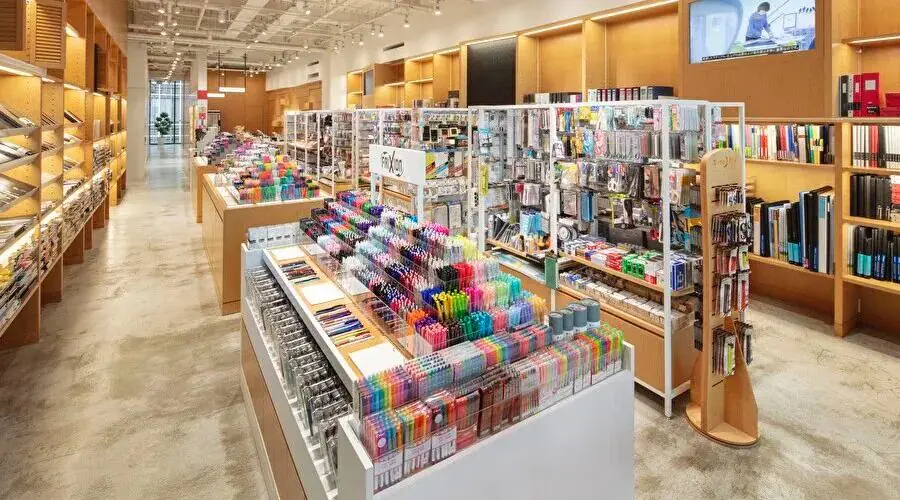
Why Are More Buyers Building Their Own Brands?
More and more B2B buyers are choosing to build their own brands, mainly due to the trends of branding and differentiated competition. In the highly competitive stationery market, generic products are prone to price wars, with low profit margins. Building an own brand can improve product added value and profit margins.
For example, IP co-branded stationery has a premium rate of up to 200%, and the profit margin is 3%-5% higher than that of generic products. In addition, own brands can establish customer loyalty and gain a stable market share. A British buyer built her own brand “coralandink” by importing Chinese stationery and promoting it on TikTok, earning 130,000 US dollars in one year.
Why May Low-Price Purchasing Lead to Higher Costs?
Many buyers think that low-price purchasing can reduce costs, but in fact, it may lead to higher overall costs. The main reasons are as follows: first, poor product quality leads to high after-sales costs, such as returns, exchanges, and compensation. For example, low-quality gel pens with ink leakage may have a return rate of 30%, which increases the buyer’s costs.
Second, unstable product quality affects the buyer’s brand reputation, leading to loss of customers. Third, delivery delays may cause the buyer to miss market opportunities, such as the back-to-school season, resulting in sales losses. Therefore, smart buyers focus on cost-effectiveness rather than just low prices, choosing suppliers with stable quality and reliable delivery.
How Has Social Media Changed the Stationery Market?
Social media has greatly changed the stationery market, driving the popularity of explosive products and changing consumer purchasing behavior. Platforms such as TikTok, Pinterest, and Xiaohongshu have become important channels for stationery promotion and sales. On Pinterest, the hashtag #planneraddict has nearly 4.5 million posts, and the monthly search volume for “pencil case” exceeds 60,000.
Social media influencers play an important role in promoting stationery products. For example, a TikTok influencer @bungustore posted a video of a “multifunctional highlighter and mechanical pencil,” which gained 8 million views and drove the sales of the product. Many B2B buyers use social media to find market trends and select products with explosive potential, which can help them quickly occupy the market.
What Opportunities Are There in the Future Stationery Industry?
The future stationery industry will have three major opportunities: smart stationery, eco-friendly materials, and IP co-branding. First, smart stationery: the penetration rate of smart stationery (such as smart pens and smart notebooks) in China’s stationery industry has reached 15% in 2025. Some smart pens can upload writing trajectories in real time and automatically sort wrong questions, which are popular among students and office workers. The global smart stationery market is expected to grow rapidly in the next few years.
Second, eco-friendly materials: with the strengthening of environmental policies and consumer awareness, the demand for eco-friendly stationery will continue to grow. Factories will focus on developing more eco-friendly products, such as stationery made of mushroom mycelium and degradable plastic. Third, IP co-branding: IP co-branded stationery will continue to be popular, and cooperation with popular IPs (such as Disney and Dunhuang Research Institute) can help products gain more market attention and improve added value.
Conclusion
China is still one of the most important markets for global stationery procurement. Its complete industrial chain, cost advantages, and strong OEM/ODM capabilities make it the first choice for many B2B buyers. However, successful stationery import does not only rely on low prices. For B2B buyers, it is crucial to deeply understand stationery categories, market trends, compliance requirements, and supply chain capabilities.
By choosing reliable suppliers, focusing on product quality and compliance, and seizing market opportunities (such as creative stationery and eco-friendly stationery), buyers can establish a long-term, stable, and competitive procurement system. In the future, with the development of smart technology and environmental protection concepts, China’s stationery industry will continue to upgrade, bringing more opportunities for global B2B buyers.