
If you’re a small buyer or new importer wondering if sourcing from China is still worth it in 2026, you’re not alone. Many entrepreneurs hesitate, hearing rumors of rising costs, supply chain shifts, or better alternatives. But the truth? 2026 is one of the best years yet to dive into China product sourcing, if you do it right.
This guide is built for you: the small business owner testing a new product line, the first-time importer nervous about making mistakes, or anyone looking to simplify their sourcing journey. We’ll cut through the noise, debunk myths, walk you through a step-by-step process, and show you how to avoid the biggest pitfalls. Plus, we’ll explain how a reliable China sourcing agent like UNION TRUST can make your sourcing from China experience smooth and profitable.
By the end of this guide, you’ll have a clear process for sourcing from China in 2026, plus the real numbers behind fees, MOQs, and shipping so you can budget with confidence. Let’s get started.
Key Takeaways
- China still leads on supply chain maturity, price, and low-MOQ flexibility for small buyers in 2026. Many factories now accept orders as low as 50–100 units.
- A reliable China sourcing agent typically charges a 5–10% commission or a flat fee; you mainly need one for first orders, custom products, or strict quality control.
- Ocean freight rates from China to the US have been volatile in 2026 (roughly $3,000–$7,200 per 40ft container depending on coast and season), not a flat discount. Budget for swings, not a fixed number.
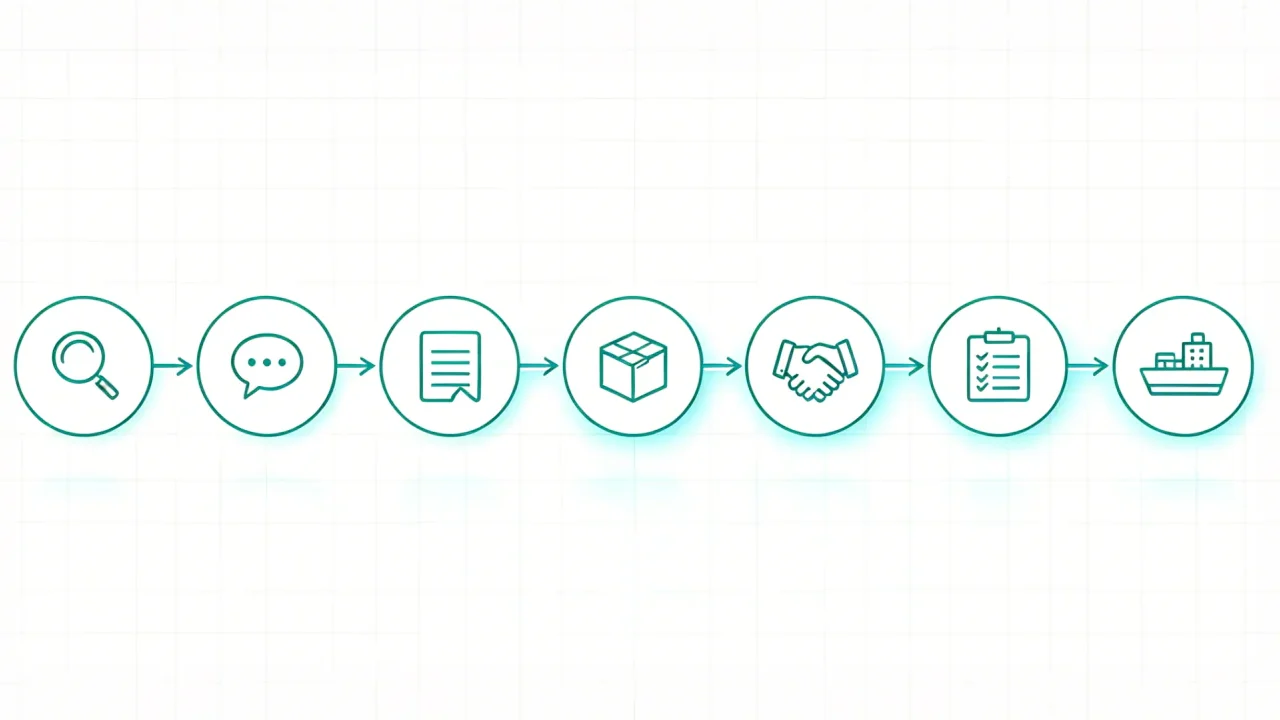
- The 8-step process below (define requirements → find suppliers → quote → sample → contract → QC → ship → build the relationship) is the same sequence experienced importers use to avoid the 5 most common first-order mistakes.
Why 2026 is still the best year to source from China?

Let’s start with the big question: With so many options (Vietnam, India, Mexico), why is sourcing from China still the top choice for small buyers and new importers in 2026? The answer lies in three key factors: unmatched supply chain maturity, competitive pricing (yes, even in 2026), and adaptability to global market demands.
The Supply Chain Advantage: No Other Country Comes Close
China’s manufacturing ecosystem is decades in the making, and in 2026, it’s more integrated and efficient than ever. Unlike emerging sourcing destinations, China has a “one-stop” supply chain that covers everything from raw materials to finished products. That means faster lead times, lower costs, and more flexibility. Small buyers can’t afford delays or high minimum order quantities (MOQs), so this matters more than it might sound like at first.
China’s manufacturing clusters concentrate raw materials, component suppliers, and assembly plants in the same region, a structure other sourcing destinations haven’t matched. For example, if you’re sourcing electronics, you’ll typically find factories, component suppliers, and assembly plants within the same industrial belt (like Dongguan in Guangdong Province), which cuts the coordination time you’d spend chasing parts across borders in Vietnam or India.
For small buyers, this clustering means getting your products to market faster than competitors sourcing from less mature supply chains, without the added lead time of importing components from China into a second country first.
Another supply chain win: China’s infrastructure. China’s high-speed rail network passed 50,000 km of operating track by the end of 2025, the largest in the world (CGTN, Dec 2025), and its ports hold 6 of the top 10 spots in the latest global container-port ranking (Upply, 2025 port ranking). That combination keeps domestic logistics fast: raw materials and finished goods move quickly between factories and ports. For you, that means fewer delays and more predictable shipping schedules when shipping from China to USA or other global markets.
Competitive Pricing: Still the Most Cost-Effective Option for Small Buyers
A common myth is that China’s prices are no longer competitive. While it’s true that labor costs have risen, China’s economies of scale and advanced automation keep prices lower than most alternatives, especially for small to medium orders.
China’s manufacturing costs remain competitive with, and often meaningfully lower than, alternatives like Vietnam and Mexico for most consumer goods. The gap varies by category and factory, so it’s worth requesting quotes from more than one country before committing to a single sourcing market. For small buyers, even a modest per-unit gap compounds into a real margin difference. For a deeper breakdown of what agents actually charge on top of factory price, see our guide to China sourcing agent fees and hidden traps.
| Factor | China | Vietnam | Mexico |
|---|---|---|---|
| Supplier network depth | Deepest: factories, component suppliers, and assembly all sit in the same industrial clusters | Growing fast, but still imports a lot of components from China | Narrower network, best suited to nearshoring plays |
| Typical MOQ for small buyers | 50-100 units is realistic for standard products | Usually higher | Varies, often higher than China for comparable goods |
| Lead time (small orders) | Fast, thanks to those same dense clusters | Moderate | Shorter shipping time to the US, but production can take just as long or longer |
| What it’s actually good for | Price, MOQ flexibility, sheer product range | Spreading your risk across more than one country | Getting product to the US fast once it’s made |
But pricing isn’t just about labor. China’s access to cheap raw materials, efficient production processes, and government incentives for small-scale manufacturing (especially in export zones) keep costs low. In 2026, the Chinese government is offering tax breaks for factories that work with small international buyers. That means you can get better prices without sacrificing quality.
For new importers, this matters a lot. You don’t need to place massive orders to get competitive pricing. Many Chinese factories now offer low MOQs (as low as 100 units for some products) specifically to cater to small buyers, something you won’t find in most other sourcing destinations.
Adaptability: China’s Factories Are Built for 2026’s Market Demands
2026’s global market is all about customization, sustainability, and speed. Chinese factories have adapted faster than any other country to meet these demands. Whether you need a custom product design, eco-friendly materials, or a quick turnaround on a small order, China’s manufacturers can deliver.
More Chinese factories are offering eco-friendly production now than a few years ago: recycled materials, energy-efficient processes. Don’t assume it isn’t available, though. Just ask during quoting. If you want to appeal to eco-conscious buyers without paying a premium, raise it early rather than after you’ve already picked a supplier.
Customization is another strength. Unlike factories in other countries that focus on mass production, Chinese manufacturers specialize in small-batch customization. For example, if you want to add your brand logo to a product, change the color, or adjust the design, most factories can do this for minimal extra cost, which is exactly what small buyers need when building a brand from scratch.
Finally, China’s factories are increasingly automated. China’s manufacturing robot density reached 166 robots per 10,000 employees in 2024, up 17% year-on-year (International Federation of Robotics, 2025). In practice, this means more consistent quality and fewer production errors on higher-volume runs, one more reason costly mistakes are avoidable if you choose the right factory.
Sourcing from China in 2026: The Numbers Don’t Lie
Let’s look at the data to back up why 2026 is the best year for sourcing from China:
- China accounted for 29% of global manufacturing output in 2023, the most recent comprehensive figure available and almost 12 points ahead of second-place United States (UN Statistics Division data, via Voronoi).
- Chinese factories increasingly compete for small-buyer business with lower MOQs and faster sample turnaround, which is what makes testing a new product line without a large upfront commitment realistic in 2026.
- Ocean freight rates from China to the US have been rising and swinging through 2026 rather than holding steady. Drewry’s World Container Index stood at $4,526 per 40ft container as of late August 2026, up on higher Transpacific rates (Drewry World Container Index, Aug 2026). Budget for volatility, not a fixed rate.
- China’s dense manufacturing clusters generally support faster turnaround on small orders than newer sourcing destinations still building out their supplier networks, though exact lead times depend heavily on the product and factory you choose.
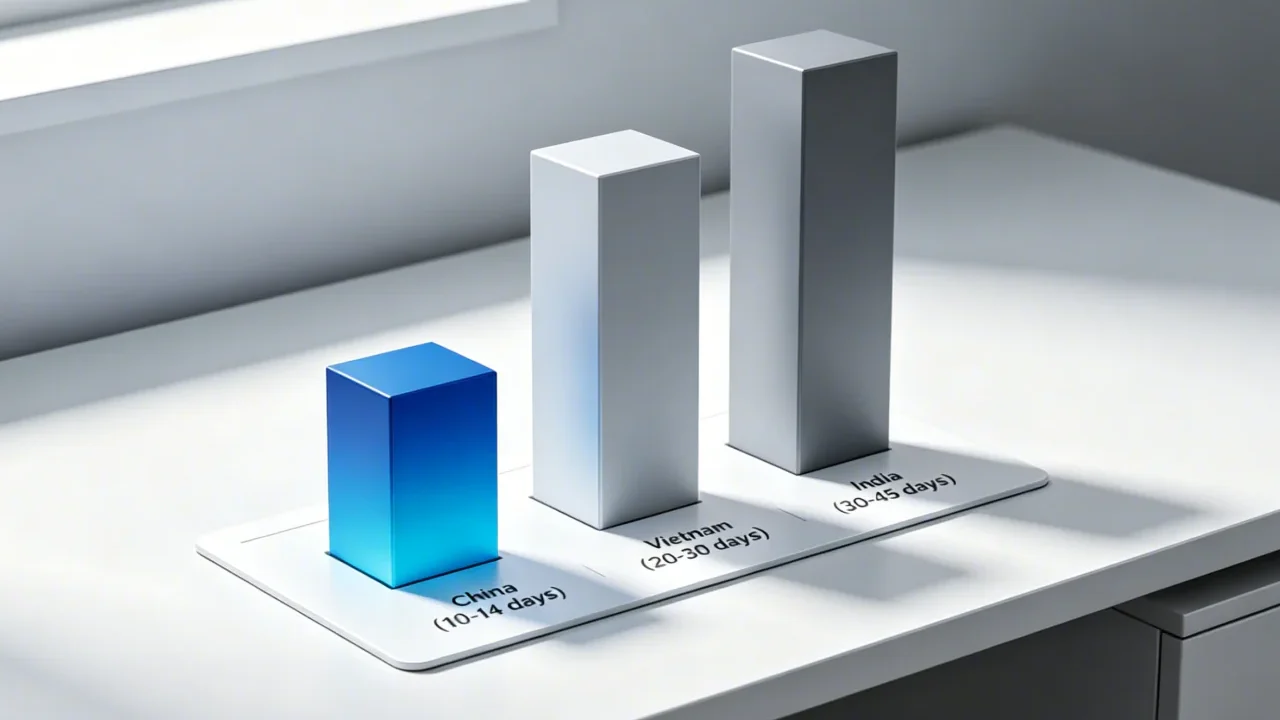
The bottom line: for small buyers and new importers who want to save money, reduce risk, and get products to market faster, sourcing from China in 2026 isn’t just a good option. It’s the smartest one.
When Should You Work With a Sourcing Agent?
As a small buyer or new importer, you might be wondering: Do I need a sourcing agent for sourcing from China? The answer depends on your experience, resources, and goals. A reliable China sourcing agent can save you time, money, and headaches, but they’re not always necessary. Here’s when you should hire one, and when you can go it alone.
When You Absolutely Need a Reliable China Sourcing Agent
There are four scenarios where working with a reliable China sourcing agent is non-negotiable for small buyers and new importers. These situations are high-risk, and without an agent, you could lose time, money, or both.
You’re a First-Time Importer (No Experience with Sourcing from China)
If you’ve never imported from China before, the learning curve is steep. You’ll need to navigate language barriers, find legitimate suppliers, negotiate prices, handle quality control in China, and manage shipping from China to USA, all while avoiding scams.
A reliable China sourcing agent acts as your local partner. They speak the language, know the market, and can verify suppliers to ensure they’re legitimate. They’ll handle negotiations, oversee production, and manage logistics, so you don’t have to learn everything from scratch.
For example, a first-time importer looking to source custom jewelry might not know how to verify a factory’s credentials. A sourcing agent will visit the factory, check production capabilities, and confirm they can meet your quality standards. That’s not something you can do from halfway around the world.
You’re Sourcing Custom or Complex Products
If you need a custom product (e.g., a unique electronic device, personalized clothing, or specialized machinery), sourcing from China can be tricky. Custom products require clear communication between you and the factory, and any miscommunication can lead to costly mistakes.
A reliable China sourcing agent will translate your requirements into Chinese, work with the factory to create samples, and oversee production to ensure the final product matches your specifications. They’ll also handle any changes or adjustments during production, saving you from endless back-and-forth with the factory.
For example, if you’re sourcing a custom LED light with specific dimensions and color temperatures, an agent will work with the factory to create a sample, test it, and make adjustments until it’s perfect. Without an agent, you might receive a product that doesn’t meet your needs, with no real way to fix it after the fact.
You Don’t Have Time to Manage the Sourcing Process
Sourcing from China is time-consuming. You’ll need to research suppliers, send inquiries, negotiate prices, review samples, and follow up on production, all while running your business. If you’re a small business owner with limited time, a sourcing agent can take over these tasks.
A reliable China sourcing agent will handle the entire sourcing process for you, from finding suppliers to delivering the products to your door. This frees up your time to focus on growing your business, marketing your products, and serving your customers.
For example, a small online retailer might not have time to research 50+ suppliers for a new product line. An agent will narrow down the options, negotiate prices, and manage production so the retailer can focus on selling.
You Need Strict Quality Control in China
Quality control is one of the biggest challenges of sourcing from China, especially for new importers. Without on-the-ground oversight, you might receive products that are defective, low-quality, or not as described.
A reliable China sourcing agent will conduct quality control inspections at every stage of production: pre-production (to check raw materials), during production (to catch issues early), and pre-shipment (to ensure the final product meets your standards). They’ll also handle any quality issues with the factory, so you don’t have to deal with disputes yourself.
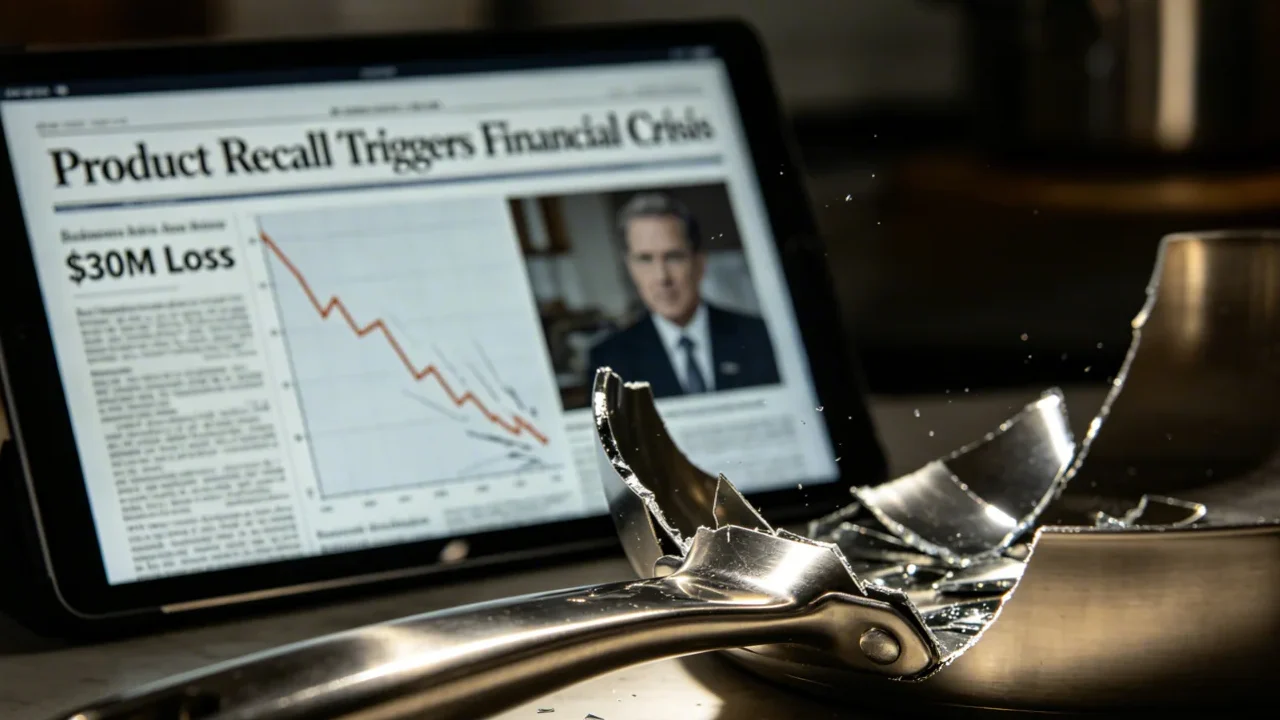
Product recalls tied to skipped quality checks happen every year in categories like cookware and electronics, and the losses aren’t limited to the recall itself. Replacement units, retailer penalties, and reputational damage typically add up to far more than the original order value. A sourcing agent who runs pre-shipment inspection can help you avoid this category of mistake entirely.
When You Might Not Need a Sourcing Agent
While a reliable China sourcing agent is helpful in most cases, there are a few scenarios where you can successfully source from China without one. These are low-risk situations where you have the experience, time, and resources to manage the process yourself.
You’re Sourcing Simple, Commodity Products
If you’re sourcing simple, off-the-shelf products (e.g., basic t-shirts, plastic containers, or office supplies), you might not need an agent. These products are standard, have low MOQs, and are easy to verify.
You can find reliable suppliers on platforms like Alibaba or 1688.com, negotiate prices directly, and order samples to check quality. Since the products are simple, there’s less risk of miscommunication or quality issues.
For example, if you’re sourcing basic cotton t-shirts, you can easily compare suppliers on Alibaba, order a sample to check the fabric and fit, and place an order without an agent. The process is straightforward, and the risk is low.
You Have Experience Sourcing from China
If you’ve imported from China before, know how to find reliable suppliers, and have experience with quality control in China and shipping from China to USA, you might not need an agent. You already understand the process, can communicate with factories, and know how to avoid common mistakes.
However, even experienced importers sometimes use agents for large orders or complex products. It’s all about balancing your time and resources.
You’re Testing a Small Order (Low Risk)
If you’re testing a new product with a small order (e.g., 50-100 units), you might not want to pay the agent’s fee. For small, low-risk orders, you can manage the process yourself to keep costs down.
Just be sure to do your research: verify the supplier, order a sample, and use a secure payment method (like Alibaba’s Trade Assurance) to protect yourself. If the test order is successful, you can consider hiring an agent for larger orders.
How to Choose a Reliable China Sourcing Agent (2026 Tips)
If you decide to work with a sourcing agent, it’s critical to choose a reliable one. There are many agents in China, but not all are trustworthy. Here are four tips to find a reliable China sourcing agent in 2026:
- Look for experience with small buyers: Choose an agent who specializes in working with small buyers and new importers. They’ll understand your needs (low MOQs, competitive pricing, hand-holding) better than agents who focus on large corporations.
- Check references and reviews: Ask the agent for references from other small buyers. You can also check reviews on platforms like Google, Trustpilot, or LinkedIn. A reliable agent will have positive reviews and be happy to share references.
- Verify their local presence: Make sure the agent has an office in China (preferably in a major manufacturing cluster like Guangdong or Zhejiang). This means they can visit factories in person and provide on-the-ground oversight.
- Clarify fees upfront: A reliable China sourcing agent will be transparent about their fees. Most agents charge a commission (5-10% of the order value) or a flat fee. Avoid agents who ask for upfront payments without providing a clear service agreement.
Remember: A good sourcing agent will save you more money than they cost. They’ll help you avoid costly mistakes, negotiate better prices, and ensure your products are delivered on time and to your standards.
Myth vs. Reality: What New Importers Get Wrong About China Sourcing?
When it comes to sourcing from China, there are more myths than facts, especially for new importers. These myths can scare you away from a profitable opportunity or lead you to make costly mistakes. Let’s debunk the most common myths and set the record straight.
Myth 1: “All Products from China Are Low-Quality”
This is the most common myth about China product sourcing, and it’s flat-out wrong. Yes, some Chinese factories produce low-quality products. So do factories in every other country. The quality of your product comes down to your specifications, your budget, and the factory you choose, not the country stamped on the box.
In 2026, China is home to some of the world’s top manufacturing facilities. Many Chinese factories produce high-quality products for global brands like Apple, Tesla, and Nike, and hold internationally recognized quality certifications such as ISO 9001. Certification alone doesn’t guarantee your specific order will meet spec, though. Always verify a factory’s certificate against the official CNCA database rather than taking their word for it.
The reality: You get what you pay for. If you’re willing to invest in quality, you can find Chinese factories that produce high-quality products. The key is to clearly communicate your quality requirements, order samples, and conduct quality control in China.
For example, a new importer looking for high-quality leather bags might pay $20 per bag for a factory that uses genuine leather and strict quality control. If they choose a factory that charges $5 per bag, they’ll likely get a low-quality product made with synthetic leather. The choice is yours. Just don’t blame China for your budget decisions.
Myth 2: “Sourcing from China Is Only for Large Orders”
Many new importers think you need to place massive orders (10,000+ units) to source from China. This was true 10 years ago, but it’s not true in 2026. Chinese factories have adapted to serve small buyers, and many now offer MOQs as low as 50-100 units.
Low-MOQ options are now common enough that most small buyers can find a factory willing to work with them. It just takes filtering for it when you request quotes. This matters for new importers who want to test a product without investing thousands of dollars in inventory.
The reality: Sourcing from China is accessible to small buyers. You can start with a small order to test the market, and scale up as your business grows. Many factories even offer discounts for repeat orders, so you’ll save money as you grow.
For example, a small online retailer can order 200 custom mugs from a Chinese factory to test their market. If the mugs sell well, they can order 1,000 units next time and get a lower per-unit price. This flexibility is one of the biggest advantages of sourcing from China in 2026.
Myth 3: “It’s Impossible to Protect Your Intellectual Property (IP) in China”
Another common myth is that your IP (e.g., product designs, logos, patents) will be stolen if you source from China. While IP theft is a concern in any country, China has made significant progress in protecting IP rights in recent years.
The reality: You can protect your IP in China by taking simple steps. Register your trademark and patent in China (through SIPO), sign a non-disclosure agreement (NDA) with your supplier, and work with a reliable China sourcing agent who can monitor for IP violations. The Chinese government has also implemented stricter penalties for IP theft, including fines and jail time for repeat offenders.
For example, if you have a custom product design, register the design patent in China before sharing it with factories. An NDA will prevent the factory from sharing your design with other buyers, and a sourcing agent can check if the factory is producing counterfeit versions of your product.
Myth 4: “Shipping from China to USA Is Too Expensive and Slow”
Many new importers worry that shipping from China to USA will be too costly or take too long. Shipping costs and times do vary quite a bit by season and route, but faster and more affordable options exist than most new importers assume.
Shipping costs have actually been volatile through 2026 rather than steadily falling. Drewry’s World Container Index sat at $4,526 per 40ft container as of late August 2026, up on tariff uncertainty and tight capacity on the Transpacific route (Drewry, Aug 2026). For small orders (under 500 units), air freight is faster at 3-7 days but costs more per unit. For larger orders, sea freight to the US typically runs $3,000-$7,200 per 40ft container depending on destination coast and season, with a delivery time of 15-35 days.
The reality: shipping from China to USA is manageable if you plan for rate swings rather than a fixed number. You can choose between air freight (fast, more expensive) or sea freight (slower, more affordable) based on your needs, and it’s worth requoting closer to your ship date since rates move with the season. Many sourcing agents also offer consolidated shipping, which combines small orders from multiple buyers to reduce costs.
For example, a new importer with a small order of 100 products can use air freight to get their products in 5 days for $500-$800. A larger order of 1,000 products can use sea freight to get their products in 20 days for $2,000-$3,000. Both options are affordable for small buyers.
Myth 5: “Chinese Suppliers Are Unreliable and Hard to Communicate With”

Another myth is that Chinese suppliers are unresponsive, dishonest, or hard to communicate with. While there are some bad apples (like in any industry), most Chinese suppliers are reliable and eager to work with international buyers, especially in 2026.
Most Chinese factories now have English-speaking sales teams and use modern communication tools like WeChat, WhatsApp, and email. They understand the importance of clear communication and timely responses to keep international buyers happy.
The reality: Communication with Chinese suppliers is easier than ever. You can communicate with them in English, and many suppliers offer 24/7 support for international buyers. A reliable China sourcing agent can also help with communication if you run into any issues.
For example, a new importer can message a Chinese supplier on WeChat, ask for a quote, and receive a response within a few hours. If there’s a language barrier, the supplier’s English-speaking sales team can help. And if you work with an agent, they’ll handle all communication for you.
The Bottom Line: Don’t Let Myths Stop You from Sourcing from China
The myths about China product sourcing are outdated and misleading. In 2026, sourcing from China is accessible, reliable, and profitable for small buyers and new importers, as long as you do your research and work with the right partners.
The key is to separate fact from fiction, set clear expectations, and take steps to protect yourself (e.g., order samples, conduct quality control, work with a reliable China sourcing agent). By doing so, you’ll avoid the mistakes that trip up many new importers and get the full value out of sourcing from China.
Step-by-Step Practical Sourcing Process (2026 Version)
Now that you know why sourcing from China is a great choice in 2026, and how to decide if you need a sourcing agent, let’s walk through the step-by-step process of how to source products from China. This process is designed for small buyers and new importers, and it’s updated for 2026 to reflect the latest market trends and best practices.
Follow these 8 steps and you’ll be able to source high-quality products from China at competitive prices without losing your mind in the process.
Step 1: Define Your Product Requirements (The Foundation of Successful Sourcing from China)
Before you start looking for suppliers, you need to clearly define your product requirements. This is the most important step. If you don’t know what you want, you’ll end up with a product that doesn’t meet your needs, or you’ll waste time negotiating with the wrong suppliers.
Here’s what to include in your product requirements:
- Product details: What is the product? What is its purpose? What materials should it be made of? What are the dimensions, weight, and color?
- Quality standards: What quality standards do you require? (e.g., ISO 9001, FDA approval for food products, FCC approval for electronics)
- Customization: Do you need customizations (e.g., logo, design, packaging)? If so, provide detailed specifications.
- MOQ (Minimum Order Quantity): How many units do you want to order? Be realistic, start small if you’re testing the market.
- Budget: What is your per-unit budget? This will help you narrow down suppliers and negotiate prices.
- Lead time: When do you need the products delivered? This will affect which suppliers you choose (some factories are faster than others).
- Shipping requirements: Will you use air freight or sea freight? Do you need the supplier to handle shipping from China to USA, or will you arrange it yourself?
Pro tip: Create a detailed product specification sheet (with photos, diagrams, and measurements) to share with suppliers. This will eliminate miscommunication and ensure all suppliers are quoting on the same product.
Step 2: Research and Find Reliable Suppliers
Once you have your product requirements, it’s time to find reliable suppliers for your China product sourcing. There are several ways to find suppliers in 2026, choose the method that works best for you. For a deeper walkthrough of vetting suppliers on each platform, see our guide on how to find suppliers in China.
1 Online Platforms (The Easiest Way for New Importers)
Online platforms are the most popular way for small buyers to find Chinese suppliers. The top platforms in 2026 are:
- Alibaba: The largest B2B platform for sourcing from China. It has millions of suppliers, and you can filter by product, MOQ, price, and supplier type (factory vs. trading company).
- 1688.com: A Chinese B2B platform (similar to Alibaba) that’s popular with local buyers. It often has lower prices than Alibaba, but most suppliers only speak Chinese, so you may need a translator or sourcing agent.
- Global Sources: A platform that focuses on high-quality suppliers, especially for electronics and consumer goods. It’s more expensive than Alibaba, but the suppliers are often more reliable.
When searching for suppliers on these platforms, look for the following:
- Gold Supplier: This means the supplier has been verified by the platform (e.g., Alibaba’s Gold Supplier program).
- Trade Assurance: A program that protects your payment if the supplier doesn’t deliver the product as agreed.
- Positive Reviews: Look for suppliers with a 4.5+ star rating and positive reviews from other buyers.
- Factory vs. Trading Company: Factories often have lower prices and more control over production, while trading companies offer more flexibility and can source multiple products.
2 Sourcing Agents (The Most Reliable Way for New Importers)
If you’re a new importer or don’t have time to research suppliers, a reliable China sourcing agent can find the best suppliers for you. They’ll use their local network to find factories that match your product requirements, verify their credentials, and negotiate prices on your behalf.
As we discussed earlier, a good sourcing agent will save you time and money, and help you avoid scams. Look for an agent who specializes in your product category and has experience working with small buyers.
3 Trade Shows (The Best Way to Meet Suppliers in Person)
If you have the budget and time, attending trade shows in China is a great way to meet suppliers in person. The top trade shows for sourcing from China in 2026 are:
- Canton Fair (Guangzhou): The largest trade show in China, held twice a year (April and October). It features suppliers from all industries.
- Yiwu Fair: A trade show focused on small commodities (e.g., toys, jewelry, home goods) held in Yiwu, Zhejiang Province.
- Shanghai Electronics Show: A trade show for electronics and tech products, held annually in Shanghai.
Attending a trade show allows you to see products in person, meet suppliers face-to-face, and negotiate deals on the spot. It’s a great way to build relationships with suppliers and ensure they’re reliable.
Step 3: Contact Suppliers and Request Quotes
Once you’ve found 5-10 potential suppliers, it’s time to contact them and request quotes. When reaching out, be clear and concise: share your product specification sheet, MOQ, and budget, and ask for a detailed quote that includes:
- Per-unit price
- MOQ
- Lead time (production time)
- Payment terms (e.g., 30% deposit, 70% before shipment)
- Sample cost (if applicable)
- Shipping costs (if the supplier handles shipping from China to USA)
Pro tip: don’t just ask for a quote. Ask questions. For example, “What materials do you use?” “Do you offer quality control in China?” “Can you meet my lead time?” This will help you gauge the supplier’s knowledge and reliability.
Also, be wary of quotes that are too low. If a supplier’s price is 30% lower than other suppliers, it’s likely they’re cutting corners on quality or using low-quality materials.
Step 4: Evaluate Quotes and Narrow Down Suppliers
Once you receive quotes from suppliers, it’s time to evaluate them and narrow down your options to 2-3 top suppliers. Don’t just choose the cheapest quote. Consider the following factors:
- Price: Is the price within your budget? Are there any hidden costs (e.g., sample fees, shipping fees)?
- Quality: Does the supplier have a good reputation for quality? Do they offer quality control in China?
- Lead time: Can the supplier meet your lead time?
- Communication: Is the supplier responsive? Do they answer your questions clearly?
- Payment terms: Are the payment terms reasonable? (e.g., 30% deposit is standard)
- Customization: Can the supplier meet your customization requirements?
Pro tip: Ask for references from other buyers who have worked with the supplier. This will give you insight into their reliability and quality.
Step 5: Order and Evaluate Samples
Before placing a large order, it’s critical to order samples from your top 2-3 suppliers. Samples are the only way to verify the quality of the product, ensure it matches your specifications, and test its functionality.
Here’s what to do when you receive the samples:
- Inspect the quality: Check the materials, craftsmanship, and finish. Does it meet your quality standards?
- Test the product: If it’s a functional product (e.g., electronics, tools), test it to ensure it works properly.
- Compare samples: Compare the samples from different suppliers side by side. Which one is the best quality? Which one matches your specifications most closely?
- Request adjustments: If the sample isn’t perfect, ask the supplier to make adjustments (e.g., change the color, improve the craftsmanship). Most suppliers will do this for free or for a small fee.
Pro tip: Keep the samples for future reference. If there are quality issues with the final order, you can compare it to the sample to prove the supplier didn’t meet your requirements.
Step 6: Negotiate Terms and Sign a Contract
Once you’ve chosen your supplier, it’s time to negotiate the final terms and sign a contract. This is a critical step to protect yourself and ensure both you and the supplier are on the same page.
Key terms to negotiate:
- Price: Can you get a lower per-unit price if you increase your order quantity? Or if you agree to repeat orders?
- MOQ: Can the supplier lower the MOQ if you’re a small buyer?
- Lead time: Can the supplier shorten the lead time if you pay a small premium?
- Payment terms: Can you negotiate a lower deposit (e.g., 20% instead of 30%)? Or pay the final balance after quality inspection?
- Quality control: Specify the quality control standards and who will conduct the inspections (you, the supplier, or a third party).
- Shipping: Who will handle shipping from China to USA? What happens if the shipment is delayed or damaged?
- Warranty: Does the supplier offer a warranty for defective products? How will they handle returns or replacements?
Once you’ve agreed on the terms, sign a formal contract. The contract should include all the details of your agreement, and it should be signed by both you and the supplier. If you’re working with a reliable China sourcing agent, they can help you draft the contract and ensure it’s fair and legally binding.
Step 7: Monitor Production and Conduct Quality Control
After signing the contract and paying the deposit, the supplier will start production. It’s important to monitor production and conduct quality control in China to ensure the final product meets your standards.
1 Production Monitoring
Stay in regular communication with the supplier during production. Ask for updates (e.g., photos, videos) of the production process to ensure everything is on track. If there are any delays or issues, address them immediately.
If you’re working with a sourcing agent, they’ll handle production monitoring for you. They’ll visit the factory regularly to check on progress and ensure the supplier is following your specifications.
2 Quality Control Inspections
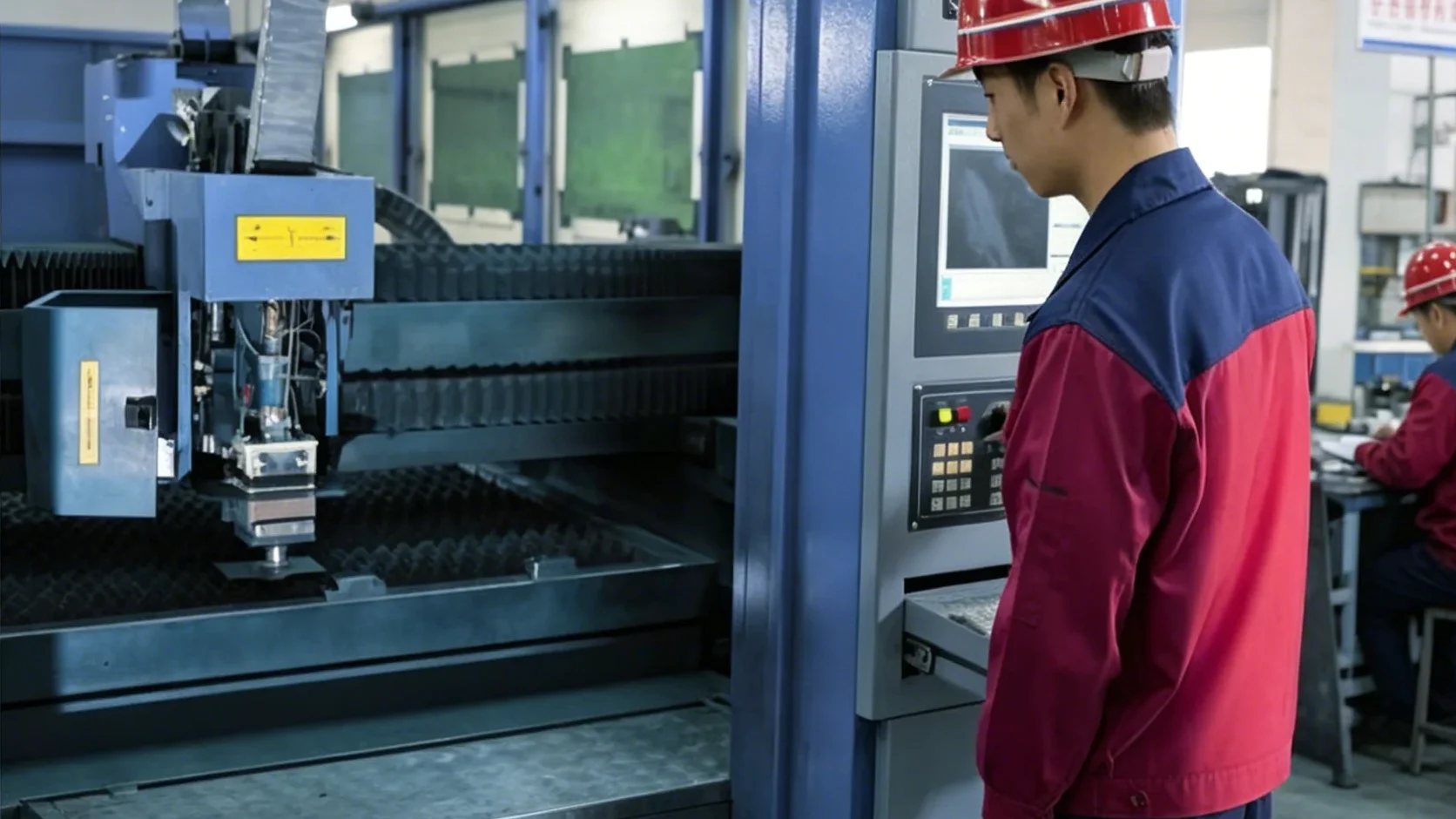
Quality control in China is critical to avoid receiving defective products. There are three key stages of quality control:
- Pre-production inspection: Conducted before production starts to check the raw materials and ensure they meet your specifications. This is especially important for custom products.
- During production inspection: Conducted when 30-50% of the order is complete. This allows you to catch any issues early and make adjustments before it’s too late.
- Pre-shipment inspection: Conducted before the products are shipped. This is the final check to ensure the product meets your quality standards, the quantity is correct, and the packaging is intact.
You can conduct the inspections yourself (if you’re in China), hire a third-party quality control company (e.g., SGS, TUV), or have your sourcing agent conduct the inspections. Third-party inspections are the most reliable option for new importers. They’re unbiased and have the expertise to catch issues you might miss.
Step 8: Arrange Shipping and Receive the Order
Once production is complete and the quality control inspection passes, it’s time to arrange shipping from China to USA. You have two main options:
1 Air Freight
Air freight is fast (3-7 days) but more expensive. It’s ideal for small orders (under 500 units) or if you need the products quickly (e.g., for a holiday season).
Air freight runs a few dollars per kg, give or take, depending on the weight and volume of your order. Fuel prices and seasonal demand push it around a lot, so get a current quote. Last year’s rate won’t tell you much.
2 Sea Freight
Sea freight is slower (15-35 days) but more affordable. It’s ideal for larger orders (500+ units) or if you have time to wait.
The cost of sea freight depends on the size of the container and where it’s headed. A 40ft container (which can hold about 2,000-3,000 units of most consumer goods) has run roughly $3,000-$7,200 to major US ports through 2026, with West Coast destinations typically cheaper than East Coast (Drewry World Container Index, 2026).
You can arrange shipping yourself (by contacting a freight forwarder) or have the supplier or your sourcing agent arrange it. If you’re a new importer, it’s best to have your sourcing agent or supplier handle shipping. They have experience with the process and can help you avoid delays or extra fees.
3 Receive the Order and Inspect It
When the order arrives, inspect it immediately. Check the quantity, quality, and packaging. If there are any issues (e.g., defective products, missing units), contact the supplier or your sourcing agent right away to resolve the problem.
If you’re working with a sourcing agent, they’ll help you handle any post-delivery issues. For example, if the products are defective, they’ll work with the supplier to arrange a replacement or refund.
Pro Tip: Build a Long-Term Relationship with Your Supplier
Sourcing from China is not a one-time transaction. Building a long-term relationship with your supplier can lead to better prices, faster lead times, and more flexibility. Here’s how to build a good relationship:
- Pay on time: Suppliers value reliable buyers who pay their bills on time.
- Communicate clearly: Keep the supplier updated on your needs and expectations.
- Be respectful: Treat the supplier as a partner, not just a vendor.
- Place repeat orders: If you’re happy with the supplier’s products and service, place repeat orders. This will make the supplier more willing to negotiate better terms.
The 5 Biggest Mistakes New Importers Make (And How to Avoid Them)?
Even with the best preparation, new importers often make mistakes when sourcing from China. These mistakes can cost you time, money, and frustration, but they’re easy to avoid if you know what to look for. Let’s break down the 5 biggest mistakes and how to fix them. If you’re still deciding between working directly with a factory, a trading company, or an agent, our comparison of sourcing agents vs. trading companies vs. factories covers the tradeoffs in more detail.
Mistake 1: Choosing the Cheapest Supplier (Without Checking Quality)
This is the most common mistake new importers make. When sourcing from China, it’s tempting to choose the supplier with the lowest quote. That almost always leads to low-quality products, delays, or scams.
For example, a new importer might choose a supplier who quotes $1 per unit for a product, while other suppliers quote $2 per unit. They think they’re saving money, but the $1 per unit product is made with low-quality materials and has a high defect rate. In the end, they have to replace the defective products, losing more money than if they had chosen the more expensive supplier.
How to Avoid It:
Don’t base your decision solely on price. Evaluate suppliers based on quality, reliability, and communication, not just cost. Order samples from multiple suppliers and compare their quality. Remember: You get what you pay for. It’s better to pay a little more for a high-quality product than to save money and get a product that doesn’t meet your standards.
Also, be wary of quotes that are too good to be true. If a supplier’s price is 30% lower than other suppliers, ask yourself: Why are they so cheap? Are they cutting corners on quality? Are they a scam?
Mistake 2: Skipping the Sample Stage
Another common mistake is skipping the sample stage to save time or money. Many new importers think, “I’ve seen photos of the product, how bad can it be?” But photos can be misleading, and you’ll never know the quality of the product until you see it in person.
Most importers who skip the sample stage end up with at least one specification mismatch on their first order: wrong material, off color, or a fit issue that photos didn’t reveal. This leads to costly returns, delays, and lost sales.
How to Avoid It:
Never skip the sample stage. Order samples from your top 2-3 suppliers and inspect them carefully. Test the product, check the quality, and ensure it matches your specifications. If the sample isn’t perfect, ask the supplier to make adjustments. It may take a little extra time and money, but it’s worth it to avoid receiving a large order of defective products.
Mistake 3: Ignoring Quality Control in China
Quality control is often an afterthought for new importers. They assume the supplier will deliver high-quality products, so they don’t conduct any inspections. That’s a risky move. Even reliable suppliers make mistakes.
For example, a new importer might place a large order of clothing without conducting quality control. When the order arrives, they find that 20% of the clothing has defects (e.g., missing buttons, uneven stitching). They have to spend time and money to fix the defects, or they have to sell the defective products at a discount, losing profit either way.
How to Avoid It:
Make quality control in China a priority. Conduct inspections at every stage of production: pre-production, during production, and pre-shipment. Hire a third-party quality control company or work with a reliable China sourcing agent who can conduct the inspections for you. This will help you catch any issues early and ensure the final product meets your standards.
Also, include quality control clauses in your contract. Specify the quality standards and what will happen if the product doesn’t meet those standards (e.g., the supplier will replace the defective products or refund your money).
Mistake 4: Not Understanding Shipping Costs and Logistics
Many new importers underestimate shipping costs and logistics when sourcing from China. They focus on the per-unit price but forget to factor in shipping from China to USA, customs fees, and other logistics costs. This can lead to unexpected expenses and delays.
For example, a new importer might order 1,000 units of a product for $2 per unit, thinking their total cost is $2,000. But they forget to factor in shipping costs ($1,500), customs fees ($300), and handling fees ($200), bringing their total cost to $4,000. This can eat into their profit margins or even make the order unprofitable.
How to Avoid It:
Research shipping costs and logistics before placing your order. Ask your supplier or freight forwarder for a detailed quote that includes all shipping costs (e.g., air freight/sea freight, insurance, handling fees). Also, factor in customs fees and taxes, these vary by product and country. For a fuller breakdown of what actually shows up in your landed cost, see the true cost of sourcing from China.
If you’re a new importer, work with a reliable China sourcing agent or freight forwarder who can help you navigate shipping and logistics. They’ll ensure your shipment is delivered on time and at the lowest possible cost.
Mistake 5: Failing to Protect Your Intellectual Property
Many new importers don’t think about protecting their IP when sourcing from China. They share their product designs, logos, or patents with suppliers without taking any precautions, which puts their IP at risk.
For example, a new importer shares a custom product design with a supplier without signing an NDA or registering the design patent. The supplier then sells the design to another buyer, who starts selling an identical product and eats into the original importer’s market share.
How to Avoid It:
Take steps to protect your IP before sharing any confidential information with suppliers. Register your trademark, patent, or design in China (through SIPO). Sign a non-disclosure agreement (NDA) with your supplier. This prevents them from sharing your confidential information with other buyers.
Also, work with a reliable China sourcing agent who can monitor for IP violations. If you find that a supplier is stealing your IP, your agent can help you take legal action to protect your rights.
Bonus Mistake: Overcomplicating the Process
Many new importers try to source too many products at once or choose overly complex products. This makes the process more stressful and increases the risk of mistakes.
How to avoid it: Start small. Focus on one product (or a small product line) and master the sourcing process before expanding. Choose simple products if you’re a first-time importer, and save complex custom products for when you have more experience.
How UNION TRUST Simplifies Sourcing for Small & First-Time Buyers?
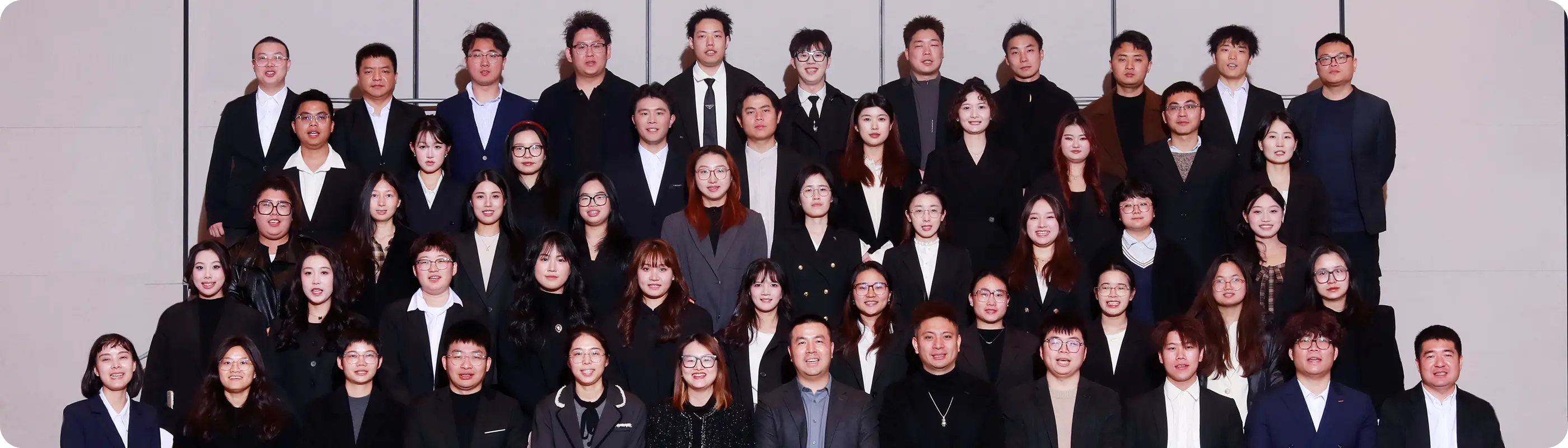
Sourcing from China often feels overwhelming for small buyers and first-time importers: unclear suppliers, hidden costs, quality control gaps, and confusing logistics can turn a promising opportunity into a stressful one. That’s exactly where a good agent earns their fee. UNION TRUST, a China sourcing agent operating under Sellers Union Group, covers the full sourcing journey so you don’t have to coordinate factories, inspectors, and freight forwarders separately. Its roots are particularly deep in Yiwu, a global hub for general merchandise, with access to 10,000+ verified partner factories and 346,000+ SKUs, and low-MOQ suppliers for orders starting around $10,000.
On the quality side, look for an agent that runs inspections at every stage: pre-production, during production, and pre-shipment, ideally with third-party inspectors like SGS or TUV involved for anything shipping to EU markets under CE, RoHS, or REACH requirements. On logistics, flexible shipping options (FCL, LCL, air, and sea freight) and drop-test verified packaging matter more than most first-time importers expect, since damage in transit is a common source of disputes.
For buyers in Latin America and Eastern Europe specifically, language and customs familiarity make a real difference: a multilingual team and region-specific customs experience (for example, “White Customs” clearance support for Russia-bound shipments) can remove friction that generic agents don’t anticipate.
Frequently Asked Questions
How much does a China sourcing agent cost?
Usually a 5-10% commission on order value, or a flat fee per project. It depends on the agent and how complex your order is, so get the full breakdown before you sign anything. We’ve written up real examples in our guide to China sourcing agent fees and hidden traps.
What’s the minimum order quantity for sourcing from China?
Depends on the product. A lot of suppliers will now do 50-100 units for something simple. Custom or specialized items usually need bigger minimums. Confirm this during quoting, not after you’ve already picked a factory.
Do I need a sourcing agent for my first order from China?
Not necessarily. A simple, off-the-shelf product with low risk is something you can often handle yourself on Alibaba. Where an agent starts to pay for itself: custom products, strict quality demands, or you just don’t have the time.
How long does sourcing from China typically take?
Plan for 6-10 weeks from supplier research to delivery on a first order. A few weeks go to vetting suppliers and sampling, 2-4 weeks to production, and the rest to shipping, depending on whether you fly it or ship it by sea.
Conclusion
In 2026, sourcing from China remains the smartest choice for small buyers and first-time importers, thanks to its mature supply chain, competitive pricing, flexible MOQs, and adaptability to global market demands. The myths of low quality, high barriers to entry, and complicated logistics are outdated; with the right knowledge and a trusted partner, China sourcing can be profitable and stress-free.
This guide has walked you through the key reasons to source from China in 2026, when to work with a sourcing agent, how to debunk common myths, a step-by-step sourcing process, and the biggest mistakes to avoid. The core takeaway is clear: success in China sourcing depends on preparation, due diligence, and partnering with a reliable agent that understands your needs.
If you’d rather not manage every step yourself, UNION TRUST offers a one-stop option covering supplier verification, quality control, logistics, and personalized support for small and first-time importers.
The best time to start sourcing from China is now. With the insights and tools from this guide, and the support of a trusted partner like UNION TRUST, you can access high-quality products, healthy profit margins, and long-term growth. Don’t let uncertainty hold you back. Take the first step toward global sourcing today.