
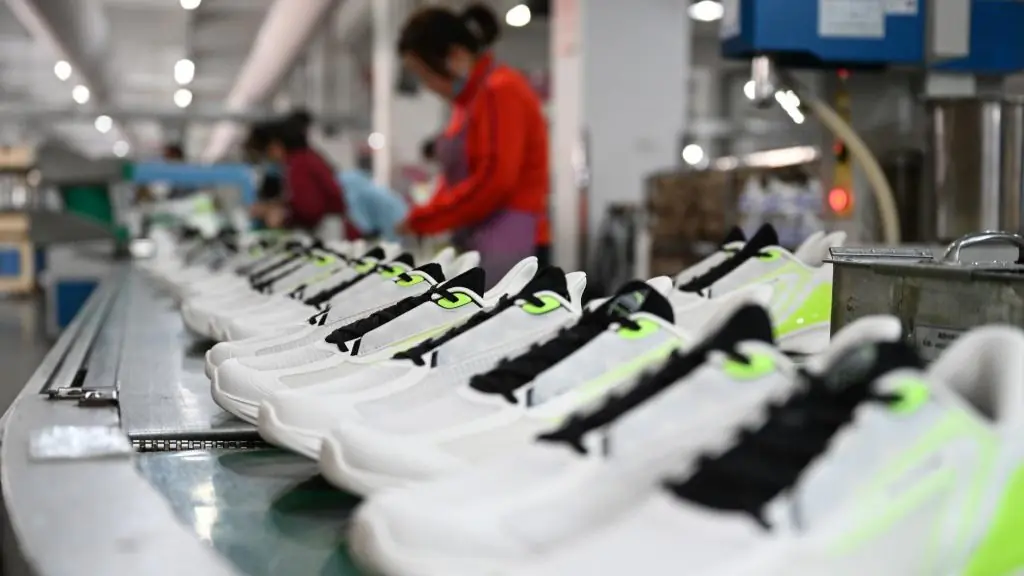
Use Fujian’s manufacturing clusters to find supplier candidates, then evaluate those candidates against your product and process requirements. Jinjiang footwear, Dehua ceramics, and Changle textiles offer starting points for research. A regional specialty does not establish that a particular company owns a factory, has available capacity, or can meet your order.
Begin with the product brief. Use it to choose a cluster, investigate candidates, review samples, and request comparable quotations. This guide keeps those steps connected. It focuses on selecting and checking candidates, rather than ranking provinces by headline output or presenting an unverified factory directory.
Key takeaways
- Match the product and manufacturing process before choosing a region.
- Separate the legal seller, actual producer, and export arrangement.
- Use regional sources as leads, not supplier endorsements.
- Compare candidates against the same sample, specification, and evidence requirements.
- Price collection from actual production sites, not an assumed province-wide shipping route.
Which Fujian clusters are relevant to your product?
Start with a limited set of product-to-location leads supported by regional information. Provincial reporting discusses Jinjiang’s footwear industry, while Fujian investment materials identify Dehua ceramics and Changle textile-related activity. These references help direct research; their dates and scope do not prove the current capability of an individual supplier.
| Location | Product lead | Questions for a candidate | Regional source and limit |
|---|---|---|---|
| Jinjiang, Quanzhou | Footwear and related materials | Which constructions, materials, and operations can this site handle? | Provincial footwear reporting, May 2026; industry context |
| Dehua, Quanzhou | Ceramics | Is the item decorative or intended for food contact, and which processes occur here? | Quanzhou industry-related IP report, October 2021; historical cluster context |
| Changle, Fuzhou | Textile-related materials | Which fiber, fabric, finish, and production stage are relevant? | Fujian new-materials cluster overview, no displayed update date; research lead |
Keep the source dates in your shortlist notes. An older report may establish a historical specialty. It cannot tell you which factories have capacity today or what they will quote. An investment development plan can describe intended activity without demonstrating completed capacity.
If your product needs a different process, widen the search. The supplier-search checklist helps turn regional suggestions into a shortlist with specific evidence and unanswered questions.
What should you specify for Jinjiang footwear?
Define the shoe’s construction, materials, fit requirements, size range, intended use, and branding before comparing suppliers. Ask which operations occur at the quoted site and which are purchased or subcontracted. A supplier with a large footwear showroom may still need a different production partner for your particular construction.
Give candidates a tech pack, drawing, or clearly described reference, together with the required quantity. Identify what the reference illustrates and what it does not authorize. Access to a familiar branded design is not evidence that the supplier has permission to reproduce it.
Use this enquiry structure:
| Topic | Detail to include |
|---|---|
| Construction | Proposed assembly method and important functional features |
| Materials | Upper, lining, sole, trims, and permitted substitutions |
| Fit and sizing | Size range, size reference, and sample evaluation requirements |
| Development | Required samples, revisions, tooling, and ownership questions |
| Quality evidence | Intended-use checks, acceptance criteria, and relevant reports |
| Commercial scope | Quantity by style/color, packaging, timing, and delivery basis |
Ask for product-specific MOQ and lead-time responses. Treat a footwear business’s published minimum as its own offer, not a rule for Jinjiang. Compare what each supplier can actually offer for the same specification, including any material minimums or tooling needed for a small run.
How should you evaluate Dehua ceramics candidates?
Begin with the intended use, then describe the ceramic body, glaze, dimensions, finish, and packed configuration. Decorative objects and items intended for food contact raise different questions. A report for one glaze or model should not be assumed to support every item shown in the supplier’s catalog.
For a hypothetical mug project, send the capacity, dimensions, handle requirements, decoration, and packaging plan with the enquiry. Ask which operations the proposed producer performs: body forming, firing, glazing, decoration, inspection, and packing. Record any outsourced steps that affect the product you will approve.
Agree how samples will be evaluated. Appearance can involve an approved reference, while dimensions and performance need suitable checks. For a food-contact claim, establish the destination’s applicable requirements and obtain evidence for the actual product configuration before release; a decorative sample’s paperwork does not answer that question.
Packaging deserves early attention. A sample sent in protective courier packing may not represent the commercial carton configuration. Ask for the intended bulk packing and relevant evidence for the distribution conditions. If the design changes after review, update the sample and carton records together.
Leave exceptions visible in the comparison. If a supplier cannot provide the requested report or finish consistency, mark the gap in the shortlist rather than fill the cell with a favorable assumption.
How do you verify the seller and manufacturing site?
Record the company signing the goods contract, the actual manufacturing location, and the party handling export. These roles may belong to different businesses. The buyer needs to understand their relationship and responsibilities instead of treating an office address, factory photograph, or regional location as proof of all three.
| Role | What to establish | Evidence to connect |
|---|---|---|
| Legal seller | Who owes the contractual supply obligations? | Company identity, quotation, and agreement |
| Producer | Where do the relevant manufacturing operations occur? | Site information, process scope, and suitable checks |
| Export or logistics party | Who performs the agreed shipment tasks? | Written scope, documents, and handover instructions |
Ask how a production-site change will be handled. If a candidate proposes another factory after sampling, revisit the assumptions behind your approval. The same sales contact and product photograph do not establish an unchanged manufacturing process.
Choose a check that can answer the question you still have. A visit may help assess a process within the arranged scope; it is not a guarantee of future performance. Company records help establish identity, while product reports and inspection evidence address other parts of the buying decision.
Do not call a directory listing a verified partner without an actual review. Keep the source of a regional lead separate from the evidence supporting a particular factory choice.
How do samples and inspections shape the shortlist?
Compare candidates against the same requirements, and retain both results and unresolved questions. Samples help evaluate what each supplier offers, but their value depends on traceability to the proposed materials and production process. Record sample identifiers, revision dates, deviations, and the buyer’s decision before placing a bulk order.
Keep the comparison in a shortlist table:
| Field | Supplier A | Supplier B | Open question |
|---|---|---|---|
| Relevant process and site | Record response | Record response | Which operations are outsourced? |
| Sample revision | Enter reference | Enter reference | Which differences remain? |
| Specification response | Record acceptance/exceptions | Record acceptance/exceptions | Are quotes based on the same requirements? |
| Inspection and test plan | Record proposal | Record proposal | What remains outside the scope? |
| Quantity and schedule | Enter quotation | Enter quotation | Are inputs and capacity confirmed? |
Use the product-quality guide to define checks and release authority. A good-looking sample is not enough to place the order while the production basis or quotation remains unclear.
How should you plan collection and compare other regions?
Request freight options using actual collection addresses, ready dates, packed dimensions, weights, and destination. The right port or warehouse route depends on the collection sites and the order. Compare quotations to the same endpoint, including any collection, storage, inspection, and handling that each route requires.
For multiple suppliers, record which goods can move together and which still need approval. The multi-supplier shipment guide explains receipt and release handoffs. A low factory price can be offset by additional inland movement or handling, so retain those lines in the comparison.
Where your product has plausible alternatives, compare specific offers from Zhejiang or Jiangsu. Regional specialization can guide the search, but the final decision still rests on the quoted specification, evidence, responsibilities, and total cost.
Frequently asked questions
Does a Fujian address prove a supplier is a manufacturer?
No. An address identifies a location; it does not establish which manufacturing operations the business performs. Check the seller’s role and the actual production site for your order. A trading company may coordinate useful services, but its role should be clear in the quotation and agreement.
Are Jinjiang factories automatically authorized to make famous brands?
No. Being located in a footwear cluster does not establish permission to use another business’s designs, trademarks, or logos. Ask about your own design and private-label requirements. Do not treat access to a familiar-looking sample as evidence that branded reproduction is authorized.
Can decorative ceramics use the same evidence as food-contact products?
Do not assume so. The intended use, materials, decoration, and destination affect the evidence needed. Ask the appropriate specialist to identify applicable requirements for the actual item. A report for a different model or glaze may leave important questions about the proposed order unanswered.
Should every Fujian shipment leave through the same port?
No single route suits every order. Ask for options based on production addresses, goods readiness, shipment size, and destination. Compare costs and responsibilities to the same delivery point, including inland collection and handling, before choosing the arrangement for the order.
Send your product brief, quantities, destination, and required date to discuss sourcing support. Include the process or material requirements that matter most, so the supplier search can focus on relevant capability and evidence.