
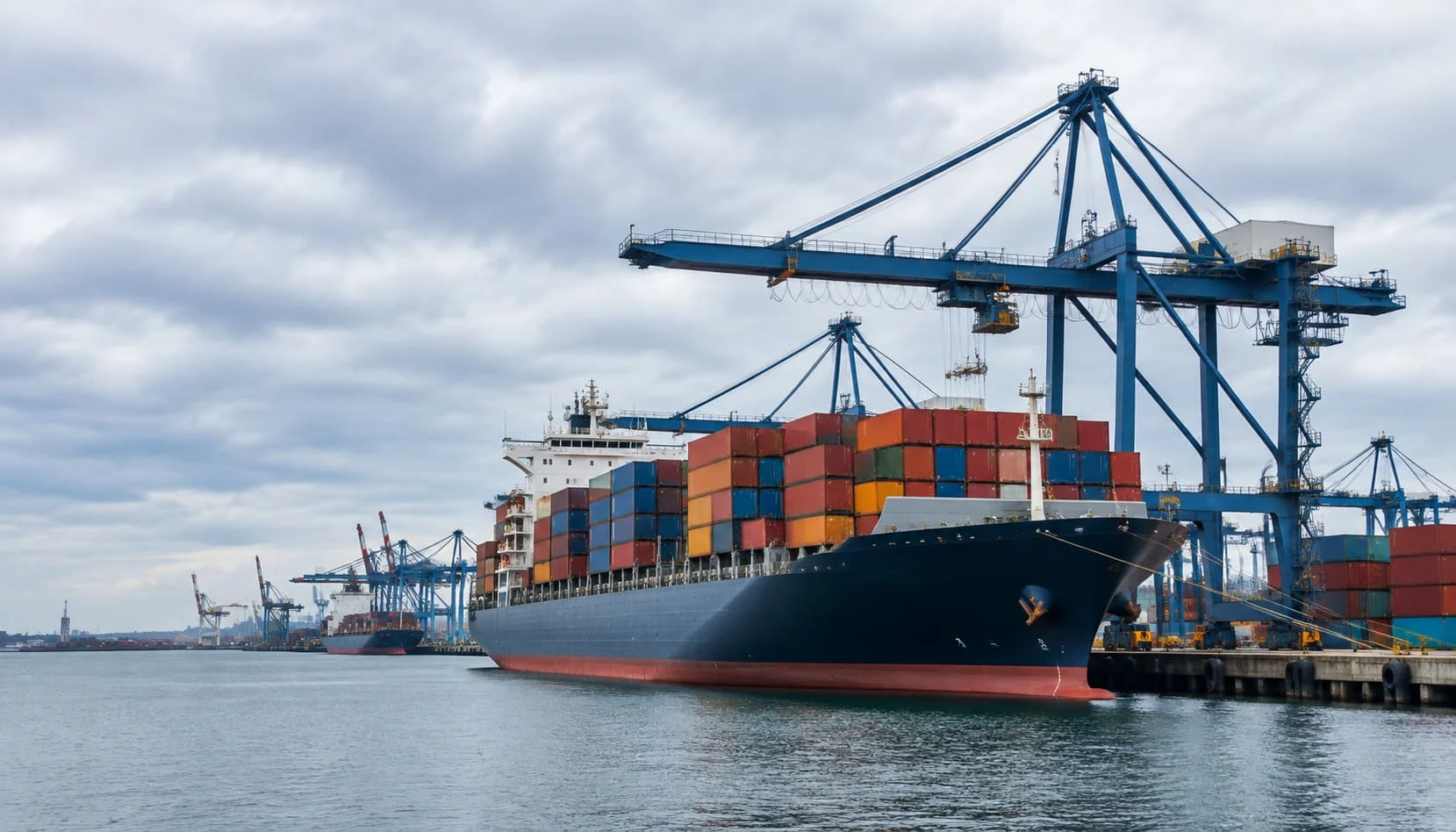
Sourcing from Yiwu works the same way for European buyers as it does for anyone else: an agent finds suppliers, checks quality, and consolidates orders before shipment. What changes for EU-bound buyers is everything that happens after the goods leave the factory. Import duties, VAT, product compliance documentation, and freight routing into the EU all follow rules that don’t apply to buyers in North America or elsewhere, and a Yiwu agent who has never handled an EU shipment can miss steps that cause real delays at customs.
This guide covers what to check before you commission an agent to source and ship into the European Union: how EU duties and VAT generally work, what compliance documentation common Yiwu product categories need, how ocean freight into EU ports compares with air freight, and what to ask an agent about their experience with EU-bound shipments specifically. For the broader picture of what a Yiwu agent does and how to vet one, see What Is a Yiwu Agent? The Complete Guide to Sourcing from Yiwu Market.
Key Takeaways
- EU import duties and VAT apply on top of each other, and the rate depends on the product’s customs classification (HS code), so ask your agent to confirm classification before you commit to pricing.
- Products in categories like toys, electronics accessories, and textiles are subject to EU product safety and labeling rules, and CE marking is required for many of them; your agent should supply the technical documentation a customs broker needs, not just the goods.
- Ocean freight into EU ports (Rotterdam, Hamburg, Antwerp, and others) is the standard choice for full and partial container loads; air freight costs more per kilogram but cuts transit time significantly for smaller, time-sensitive, or high-value orders.
- Not every Yiwu agent has hands-on experience with EU customs documentation. Ask directly how many EU shipments they’ve handled and request a sample of the paperwork they prepare.
- Language fluency in an EU market’s local language is a bonus, not a substitute for documented compliance process. Evaluate agents on their paperwork and track record first.
How EU Import Duties and VAT Work Together
EU import duties and VAT are two separate charges that both apply when goods clear customs, and buyers who plan for only one of them often get an unpleasant surprise on the final invoice. Import duty is calculated as a percentage of the customs value of the goods (generally the price paid plus freight and insurance to the EU border), and the percentage itself depends on the product’s Harmonized System (HS) classification code. Different product categories carry different duty rates, and misclassifying a product, whether by accident or to save money, is a compliance risk that customs authorities actively check for.
VAT is charged on top of the customs value plus the duty already assessed, and it applies at the rate of whichever EU member state is the country of import. Because VAT rates and administrative procedures vary by member state, the country you import into first (not necessarily your final destination country) matters for how the shipment is processed.
Neither of these figures is something a Yiwu agent can quote you as a flat number without knowing your product’s exact classification and your import country. Treat any agent who gives you a single all-in “duty and tax” percentage for every product category with some skepticism. Ask instead for the HS code they’ve used for your product and confirm it against your own research, a customs broker in your import country, or the European Commission’s own Access2Markets import guide, which walks through how duty and VAT are calculated and what documentation an EU importer needs. understanding sourcing agent fees
What CE Marking and Compliance Mean for Common Yiwu Categories
CE marking indicates that a product meets the health, safety, and environmental protection standards set by EU regulations for that product category, and it’s a legal requirement, not an optional label, for the categories it covers. The European Commission’s CE marking guidance for manufacturers lays out exactly what’s required before a product can carry the mark: identifying which EU rules apply, assessing conformity (sometimes through a notified body), and compiling the technical documentation to back it up.
Three categories that make up a large share of Yiwu-sourced goods carry compliance obligations European buyers should confirm before shipment:
Toys. The EU Toy Safety Directive sets requirements for mechanical, chemical, and electrical safety, and covers labeling and age-appropriateness warnings. A toy that ships fine to a market without equivalent rules can still fail EU compliance checks.
Electronics accessories. Items like chargers, cables, and small electronic gadgets typically fall under EU electromagnetic compatibility and low-voltage safety rules, and often need supporting technical files, not just a CE mark on the packaging.
Textiles. EU textile regulation requires accurate fiber content labeling, and certain textile products (particularly items for infants and children) carry additional flammability and chemical safety requirements.
A Yiwu agent working with a factory that already produces for EU-market brands is more likely to have this documentation on file already. One that has only shipped to markets with lighter compliance requirements may need to request test reports and technical files specifically, which can add time to your production schedule. Build that lead time into your planning rather than assuming compliance paperwork will be ready the same week as the goods. vetting agent experience and references
Ocean Freight into EU Ports vs. Air Freight
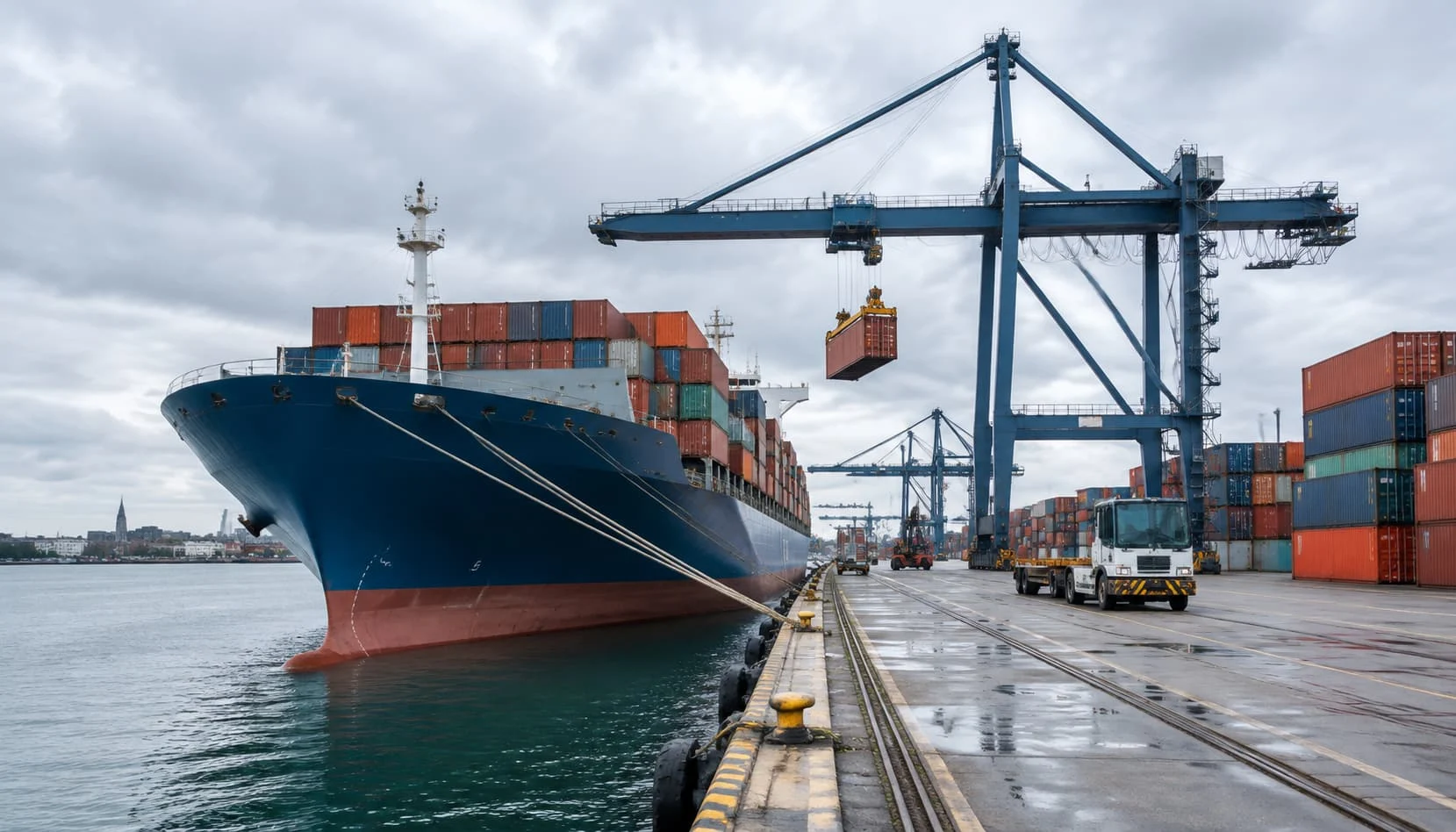
Most Yiwu orders bound for Europe move by ocean freight, and for good reason: it’s the lower cost per unit for anything beyond a small parcel shipment, and EU ports like Rotterdam, Hamburg, Antwerp, and Felixstowe have well-established customs infrastructure for handling China-origin cargo. Ocean freight works as a full container load (FCL) for larger orders or a less-than-container load (LCL) consolidation for smaller ones, and an agent’s ability to consolidate multiple product lines into one LCL shipment is one of the practical reasons buyers use an agent instead of arranging freight themselves.
The tradeoff is transit time. Ocean freight from Chinese ports to Northern European ports commonly takes several weeks, and that timeline needs to account for inland trucking or rail on both ends, plus customs clearance, which can add further days depending on documentation completeness.
Air freight cuts transit time to a matter of days rather than weeks, but it costs substantially more per kilogram, which makes it a better fit for smaller orders, higher-value goods, samples, or shipments where a stockout would cost more than the freight premium. Buyers testing a new product with a small first order, or replenishing a fast seller unexpectedly, often accept the air freight cost as the price of speed. For most recurring, planned inventory, ocean freight remains the default. low MOQ and small consolidated orders
Buyers selling into Amazon’s European fulfillment network face an additional layer of routing decisions, since inbound shipments need to reach the correct fulfillment center rather than just clear customs. If that’s your situation, Yiwu Agent for Amazon FBA Sellers: Sourcing to Fulfillment Center covers the fulfillment-specific logistics in more depth.
Language, Communication, and What to Actually Ask an Agent
Many Yiwu agents built their business primarily around English-speaking buyers in North America, and English remains the working language for most sourcing communication regardless of where the buyer is based. That’s a reasonable default, but it means European buyers should ask specific questions rather than assume an agent’s general experience automatically extends to EU-bound shipments.
Questions worth asking before you commit an order:
- How many shipments has the agent sent to EU ports in the past year, and can they name the ports?
- Can they provide a sample commercial invoice, packing list, and certificate of origin from a past EU shipment?
- Do they have a working relationship with a customs broker or freight forwarder on the EU side, or do they expect the buyer to arrange that separately?
- For your specific product category, have they sourced from factories that already hold CE-relevant test reports or technical files?
Local-language fluency in a buyer’s home market can smooth communication, particularly for buyers based in Eastern Europe or other non-English-speaking regions, and some agencies do staff account managers with relevant language skills for the markets they focus on. That’s a convenience worth asking about, but it shouldn’t substitute for the harder evidence: a documented track record of EU shipments and compliance paperwork the agent can actually produce on request. A fluent conversation in your native language doesn’t clear customs; correct documentation does.
If you’re a smaller buyer weighing whether a dedicated agent relationship makes sense for EU imports at all, Best Yiwu Agent for Small Businesses: What to Look For in 2026 covers the broader vetting criteria that apply regardless of destination market.
Frequently Asked Questions
Do I need a customs broker in addition to a Yiwu agent for EU imports?
Often yes. A Yiwu agent handles sourcing, quality, and freight to the EU border or port, but formal customs clearance in the destination country typically requires a licensed customs broker or your own EORI (Economic Operators Registration and Identification) registration. Ask your agent whether they coordinate with a broker on your behalf or expect you to arrange one.
Can a Yiwu agent guarantee my product will pass CE compliance checks?
No agent can guarantee compliance outcomes, since CE marking is a manufacturer’s declaration of conformity based on testing against specific EU directives, not a certification issued by a third party for every shipment. What an agent can do is source from factories with existing compliance documentation for your product category and flag categories that need additional testing before production.
Is it worth using a Yiwu agent for a first small test order into Europe?
Often yes, particularly if you’re unfamiliar with EU compliance requirements. A smaller first order, potentially by air freight, lets you confirm product quality, documentation, and the agent’s responsiveness before committing to a full container shipment.
Key Takeaway
Sourcing from Yiwu for the European market adds real steps beyond what a North American buyer typically handles: confirming HS classification for accurate duty and VAT estimates, securing CE-relevant documentation for categories like toys, electronics accessories, and textiles, and choosing between ocean and air freight based on your order size and timeline. None of this makes Yiwu sourcing impractical for EU buyers, but it does mean the vetting question isn’t just “is this a legitimate agent,” it’s “has this agent actually shipped to the EU before, and can they prove it.” Ask for the paperwork before you ask about price.